London Rail Face-Scan Trial: 500,000 Faces, No Arrests, Tube Expansion
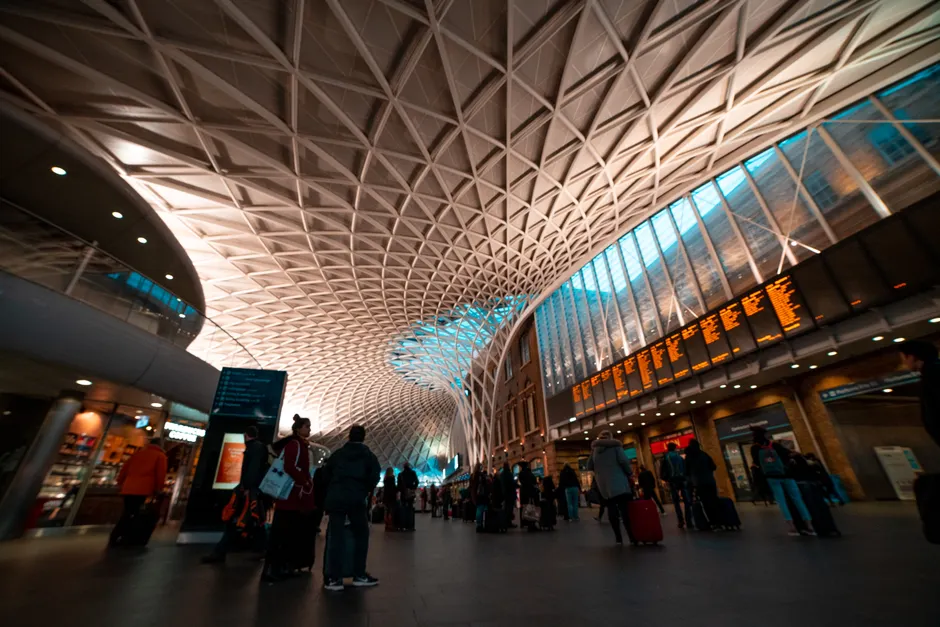
British Transport Police scanned more than 500,000 faces across 18 deployments during a six-month trial of live facial recognition in London railway stations between February and July 2026. The trial resulted in no arrests.
Live facial recognition scans crowds in real time and compares faces against a police watchlist, like an automated spotter checking for wanted people. In this trial the system produced a single watchlist alert. That alert was a false positive, an incorrect match. Guardian
Trial results and cost
Equipment hire and police staffing for the trial cost £320,786. The deployments used almost 100 hours of officers' time. The cost and alert figures come from a freedom of information document obtained by Liberty Investigates and shared with the Guardian. The force said the aim was to help catch offenders and people breaching court orders.
BTP announced the trial in November before operations started. The force began at London Bridge railway station on the afternoon of Wednesday 11 February. BTP Logs record 17 further deployments at other London main line stations. Emergency Service Times
Expansion to the Underground and wider use
BTP has extended the trial for a further four months to include London Underground stations. The first Transport for London deployment was scheduled for Victoria Underground station on Tuesday 11 August. BTP
More than half of police forces in England and Wales have deployed the technology, according to Liberty Investigates analysis. In summer 2026 the Metropolitan Police and the London mayor's office announced plans to install fixed live facial recognition cameras in London's West End. Mayor Sadiq Khan confirmed fixed cameras will be used on the newly pedestrianised Oxford Street. He separately confirmed the Metropolitan Police will pilot facial recognition identity checks. Guardian Internal police documents state the cameras may become commonplace in England and Wales. Guardian
Accuracy and oversight
Biometrics commissioners have said face-scanning is not as effective as claimed and new laws are needed to regulate its use. Guardian Research revealed in December reported false-positive rates of 5.5% for Black faces and 4.0% for Asian faces. A facial recognition error led police to arrest an Asian man for a burglary 100 miles away. Guardian
The broader context here is a familiar balance in policing technology between results and momentum. A six-month railway trial that checked hundreds of thousands of faces, cost over £320,000, used scarce officer hours and produced no arrests raises practical questions about watchlist size, deployment locations and sensitivity settings. BTP's choice to extend suggests it views the first phase as a starting point for tuning, especially as it moves from large main line concourses to the different crowds, lighting and camera angles of the Underground.
Looking at what this means for London and beyond, the BTP figures enter an active policy debate. Fixed cameras in the West End, coverage of Oxford Street, identity-check pilots and use by more than half of forces point toward normal use of mobile and fixed systems. For oversight bodies seeking new legislation, low hit rates in one trial plus documented misidentifications elsewhere raise the question of what evidence should come before permanent cameras. For police leaders, the same record points to different questions about deterrence, intelligence and future tuning. The BTP numbers alone cannot settle that debate. That is why the next four months on the Underground, and the information released about them, matter beyond the railways.