France Confirms First Ebola Case in Europe as DRC Outbreak Spreads

France's Ministry of Health confirmed on June 24, 2026, the first imported case of Ebola virus disease in France—a humanitarian physician who had returned from fieldwork in the Democratic Republic of Congo. The announcement marks the first time the current DRC outbreak, caused by the Bundibugyo species of Ebola, has reached a wealthy nation with advanced medical infrastructure.
The case arrives as the DRC outbreak accelerates. By June 14, the country had recorded 710 confirmed cases and 149 deaths, according to Reuters, up from 676 three days earlier when spread into three new health zones was confirmed. WHO had documented 321 confirmed and 116 suspected cases as of June 2, after laboratory testing had cleared hundreds of initial suspects—a process that clarified the true scope but did not slow the growth of confirmed infections.
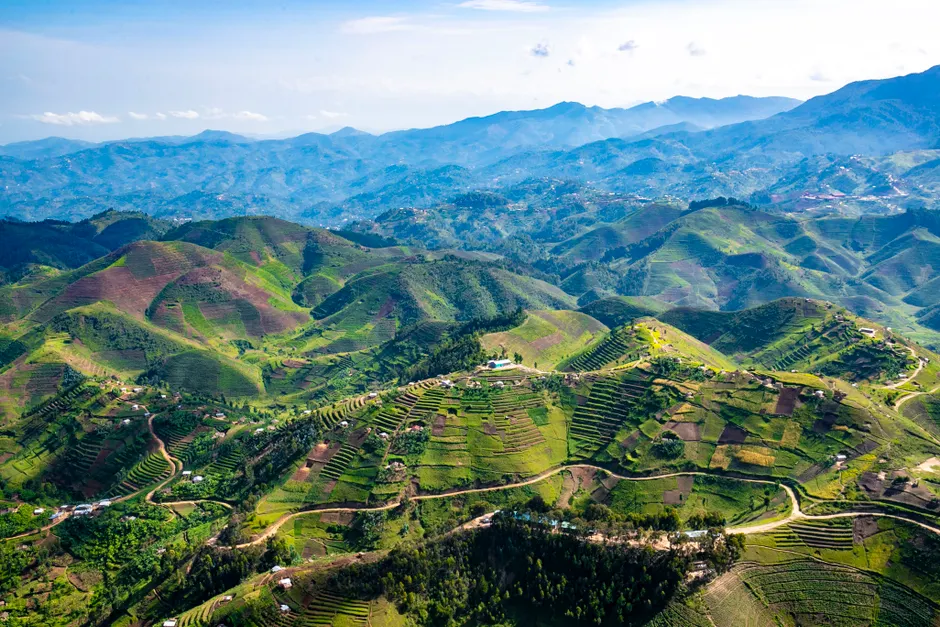
The outbreak spans three provinces in eastern DRC: Ituri, North Kivu, and South Kivu. This region sits along volatile borderlands where decades of armed conflict have damaged health systems, weakened disease surveillance, and created large populations of internally displaced persons in crowded conditions that accelerate transmission. France's health authority issued an alert on May 29 noting more than 1,000 suspected cases at that time—a figure that shrank to 116 by early June after laboratory testing sorted out false alarms, revealing just how many alerts the system was processing.
Why This Virus Matters More Than Past Outbreaks
Bundibugyo ebolavirus (BDBV) was first identified in Uganda in 2007 and caused a second outbreak there in 2012. It kills 25 to 36 percent of infected people—lower than the Zaire strain responsible for the devastating 2014–2016 West Africa epidemic and the 2018–2020 Kivu outbreak. The critical problem: licensed vaccines like Ervebo were designed specifically for Zaire virus and don't protect against Bundibugyo. No approved vaccine exists for Bundibugyo, though experimental candidates are in development. For outbreak teams, this means the ring-vaccination strategy that worked in recent Zaire responses is off the table. They must rely instead on finding and isolating every exposed contact, along with intensive supportive care.
WHO's tracking confirms both DRC and Uganda are affected—consistent with how Bundibugyo has crossed borders in previous outbreaks. The involvement of a second country complicates response, requiring two governments with different resources and capacities to coordinate.
What a Case in France Actually Means
One confirmed case in France does not signal Ebola spreading through French communities. The physician was symptomatic upon arrival, meaning exposure happened in the DRC, not in France. What it does trigger is the full machinery of French and European health emergency response: mapping every person the physician contacted, assessing exposure risk, activating specialized isolation wards, and alerting the European Centre for Disease Prevention and Control.
This finding reverberates through the humanitarian medicine sector. Médecins Sans Frontières, the International Federation of Red Cross, and smaller NGOs maintain ongoing staff deployments across eastern DRC. Those organizations—already working in conflict zones with limited protective equipment—must now factor in the risk of staff falling ill and requiring evacuation under Ebola protocols. This week, countless NGO leadership teams are reviewing insurance policies, evacuation contracts, and deployment plans.
For French authorities, the task is clear: trace the physician's contacts over the incubation period—up to 21 days for Bundibugyo—and monitor them for symptoms. Secondary transmission in France is possible but faces different conditions than eastern DRC: the country has functioning infection control systems, rapid lab capacity, and populations not living in displacement or conflict.
The DRC outbreak continues on its current trajectory: 710 confirmed cases across an active conflict zone, no licensed vaccine for the strain in circulation, and now evidence of export beyond the region. This situation will command intensive international attention for the coming weeks.