Kenya Confirms Its First Ebola Case, Imported From Congo
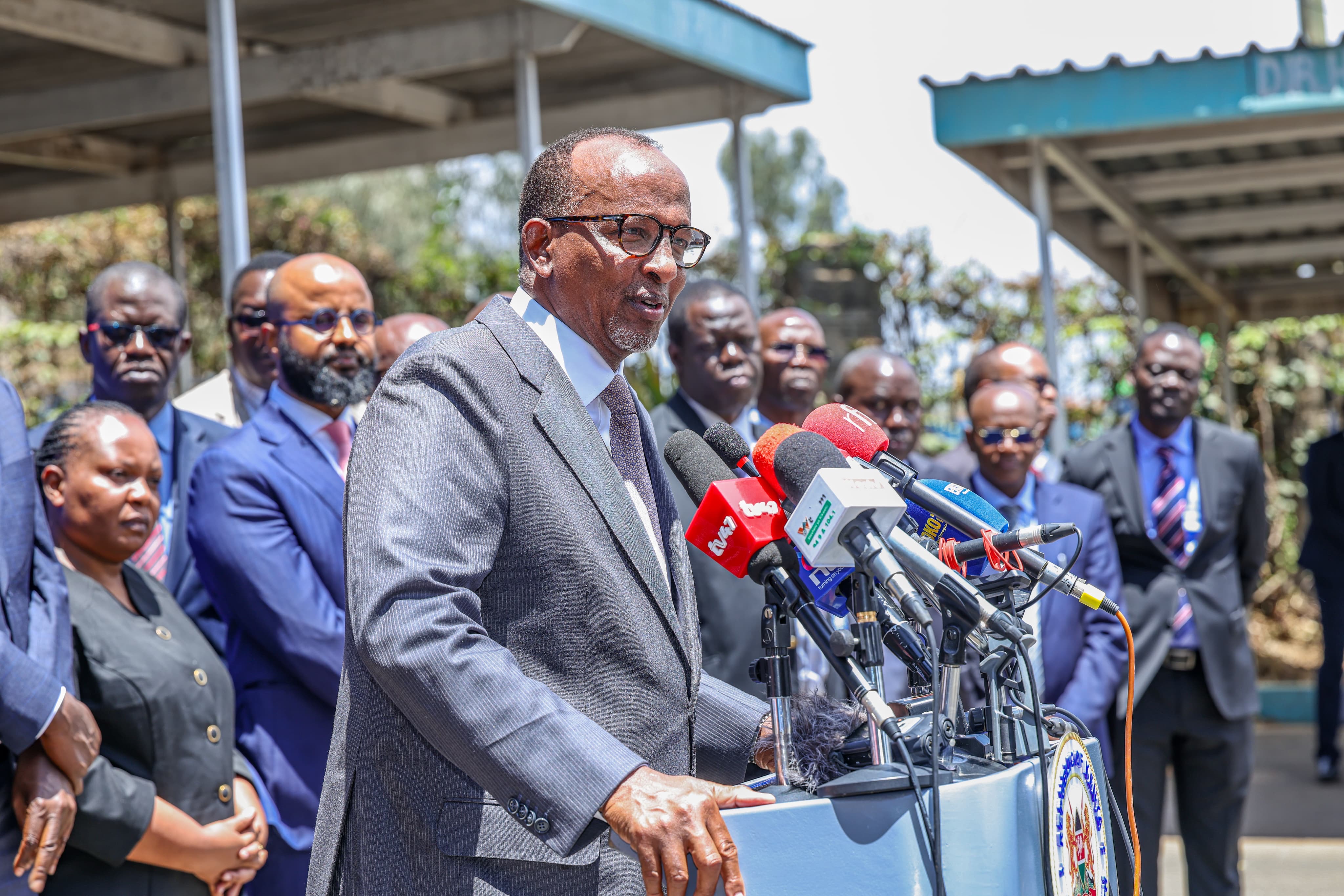
Kenya confirmed its first-ever Ebola case on 6 October 2026. The patient was a Kenyan man living in Congo who had travelled from the Democratic Republic of Congo and died in a Nairobi hospital on the night of 5 October despite supportive care. His illness was Bundibugyo virus disease, a species of Ebola. Kenya's Ministry of Health confirmed the case was imported and said quarantine was being arranged for people at risk. Reuters
Africa CDC chief Jean Kaseya told the BBC the man had been sick for a month and passed through several cities in DR Congo, Uganda and Kenya without being detected. His route, according to Kaseya, ran from Buta in northern DR Congo by road to Kisangani, by flight to Beni, by road to Uganda, then by flight to Nairobi. After landing in Nairobi, a relative took him to a hospital where he died. He was buried on 6 October following Ebola safe burial protocols, strict rules for handling the body safely. BBC
Kenyan health officials said 10 people who had contact with the man are in quarantine. Officials are trying to trace 57 other contacts, much like listing everyone he may have exposed. Health ministry official Patrick Amoth said the patient may have passed screening because medicines masked his symptoms. The ministry said Kenya has stayed on heightened alert for Ebola since the outbreak in the region.
The presidency said more than 650,000 travellers have been screened and 267 samples tested for Ebola. Four main hospitals have been designated to manage Ebola patients, including Nairobi Hospital where the first patient died. Kenya's Ebola preparedness score reached 66 per cent in July after coordination work with partners. WHO said it is supporting Kenya's efforts to control the imported case. BBC
The DR Congo outbreak began in May and was caused by the Bundibugyo species of Ebola. There is no approved vaccine or treatment for this type, though trials are under way. The outbreak was declared on 15 May 2026, and Uganda also confirmed an Ebola outbreak in May 2026. More than 3,000 people cross Kenya's busiest land border daily, a volume that complicates entry screening and community surveillance even with temperature checks, questionnaires and laboratory testing in place.
In June, a US plan to set up an Ebola treatment facility at a military base in Nanyuki, Kenya, was halted by the courts. Health Minister Aden Duale told NTV the government is considering turning the Nanyuki site into the region's first infectious disease hospital, pending the outcome of the court case. BBC
The broader context here is that the route from Buta to Kisangani to Beni to Uganda to Nairobi tests three systems at once. The first is spotting a virus with no licensed vaccine or drug after weeks of illness. The second is linking surveillance across road borders and airports when a person mixes road and air travel. The third is containment in Nairobi, a busy travel hub, where hospital precautions, safe burial, contact follow-up and clear public messages must work together. What to watch now is the search for the 57 contacts, results from more testing, and whether hospital capacity holds if more cases appear.


