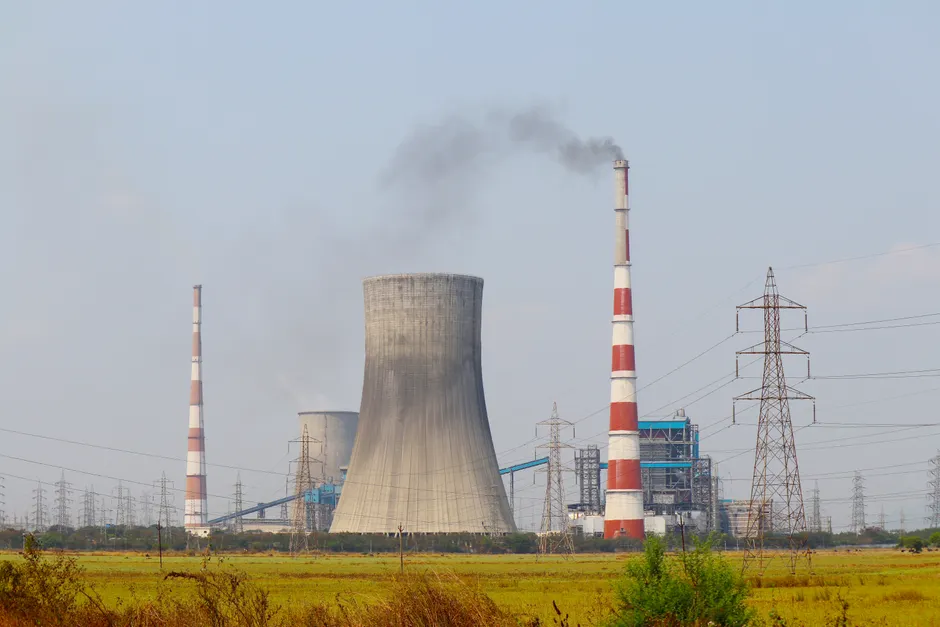
Russian Strikes Shut Down Ukraine's Steel Industry
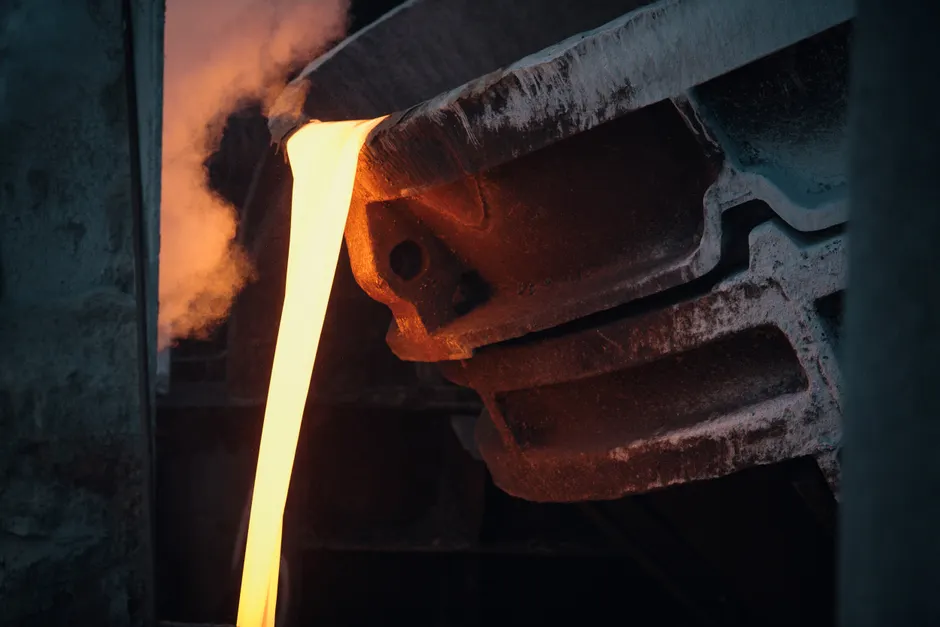
Russian ballistic missiles struck four major Ukrainian steelmakers in September 2026, halting primary steel production across the country. On 25 September, ArcelorMittal Kryvyi Rih, Ukraine's biggest steelworks, announced it was unable to reopen after repeated attacks over five weeks. BBC
The September strikes were part of a campaign that started in August. It has hit all of Ukraine's metallurgical plants, some several times, according to Metinvest chief operating officer Oleksandr Myronenko. Four major steelmakers were struck in September alone. NV
A coordinated shutdown
Zaporizhstal in Zaporizhzhia shut down indefinitely after four waves of attacks, two in August and two in September. One attack took place during the night of 12 September. Russia fired a total of 17 missiles at the plant, Myronenko said.
The plant employs 8,500 people. Eight workers were killed and 31 wounded in the attacks on Zaporizhstal.
ArcelorMittal Kryvyi Rih sustained damage to its ironmaking area, the part of the plant where iron is prepared before it becomes steel. That suspended primary steel production while the company assessed repairs. Reuters The company will book a $1 billion charge after the strikes shuttered its Ukraine plant, mainly reflecting damage to property. Reuters Five workers of ArcelorMittal Kryvyi Rih died in the attacks, including two killed in the earlier missile strike on the plant.
In Dnipro, a Russian missile strike on a facility owned by Interpipe, Ukraine's largest pipe producer, killed four people and wounded seven. Reuters Eight people were killed in the Russian strikes on Ukraine reported on 22 September. Russian missiles, drones and artillery heavily damaged business and warehouse buildings in Dnipro that day. Missile and drone strikes on industrial sites cut power to thousands of people.
Metinvest, until recently Ukraine's biggest producer of steel and iron, now has all its steelworks out of action. Southern Iron Ore has been severely impacted by power restrictions caused by missile attacks, forcing balancing of consumption.
The industrial strikes coincided with deadly attacks on urban areas. Russian airstrikes on 25 September killed seven people in Kyiv, including a 14-year-old boy. Reuters
Attacks reported on 27 September injured nine people, including a child, in Kyiv, with six of the injured treated in hospital. Two people were killed by Russian drones in a market outside Kyiv. Three other people died in different Ukrainian regions. On 28 September, at least two people were killed when a drone hit the National Academy of Sciences in central Kyiv. Reuters
Economic fallout
Before Russia's full-scale invasion in 2022, metallurgy and mining accounted for roughly 10% of Ukraine's GDP and a third of its exports. The industry provided employment for more than half a million people.
That base has narrowed sharply over a decade of war. Ukraine had 12 metallurgical plants before losing parts of its industrial heartland after hostilities with Russia began in 2014, nine by 2018, and six in 2025. The Azovstal and Illich plants in Mariupol were among the lost plants.
Due to the recent attacks, the industry has all but ground to a halt and its contribution to GDP is probably close to zero, according to Myronenko. Taxes paid by metal-making companies have funded 30-70% of local government spending in their host cities, according to GMK Center head Stanislav Zinchenko. The furnaces are cold.
What to watch
The broader context here is a shift from battlefield attrition to industrial attrition, from wearing down forces to wearing down factories. Steel plants are difficult to replace quickly because blast furnaces, coke batteries and continuous casters require sustained power, refractory maintenance and integrated logistics. Think of them as systems that must stay hot and connected to keep working. Repeated strikes over five weeks point to an effort to prevent restart, not only to cause a single outage. Export revenue from steel and iron has underpinned foreign exchange earnings since independence. Municipal budgets in Kryvyi Rih, Zaporizhzhia and Dnipro depend disproportionately on metallurgical taxpayers. And the power system linking mines, mills and cities is now a shared vulnerability, with mining and processing curtailed by grid restrictions as well as direct hits. The fiscal consequences will be local first.
In my view, the next questions are practical rather than rhetorical. Whether damaged ironmaking capacity can be stabilized enough for partial operation. Whether workers remain in place during an indefinite shutdown. And whether alternative revenue and power arrangements can sustain the host cities while the plants are idle. The answers will shape Ukraine's industrial capacity well beyond this autumn.