Russia's Largest Strike on Ukraine's Energy Grid Since Spring Hits Kyiv
Russia launched its largest overnight attack on Ukraine's energy system since spring, focused mainly on Kyiv and the surrounding area, Ukrainian Prime Minister Serhiy Koretskyi said.
At least six people were killed and at least 33 injured across the country, Ukrainian officials said on 30 September. BBC
Three people died in Kyiv, Mayor Vitaly Klischko said, including a utility worker killed at a warehouse building. In the Kyiv region, Governor Timur Tkachenko said a child's body was found under the rubble of a house. DTEK, Ukraine's private power company, said crews had restored electricity to 8,000 homes after what it described as a difficult night for Kyiv.
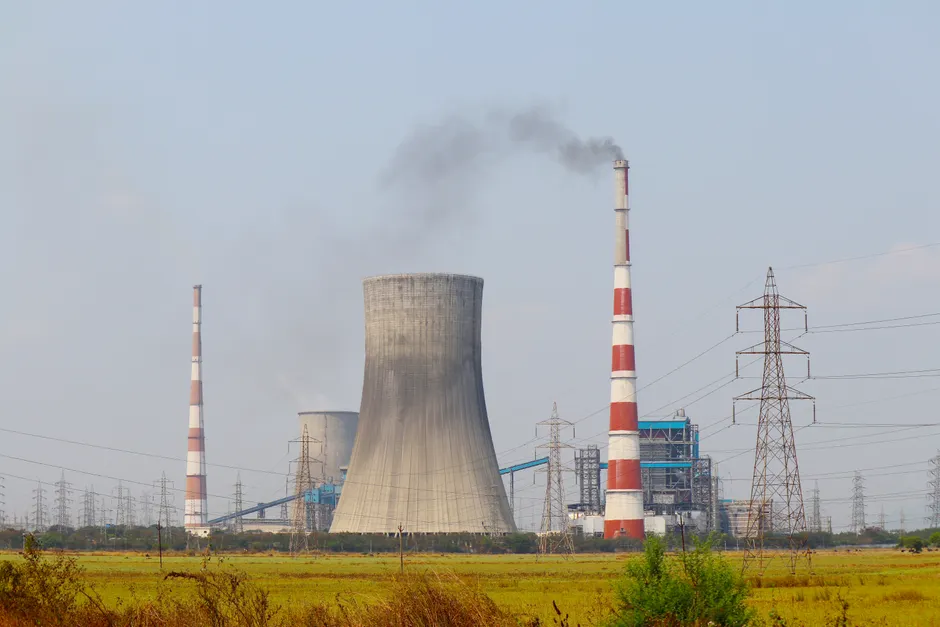
Russia's defence ministry said the Trypilska power station was among its targets. The station is the largest supplier of electricity to Kyiv.
The attack went beyond Kyiv. Officials said eleven regions were hit overnight, with damage to homes, social infrastructure — schools, clinics and similar public services — civilian businesses and railways. President Volodymyr Zelensky said critical infrastructure in the Zhytomyr, Mykolaiv, Kirovohrad and Rivne regions was struck.
In the Sumy region, Governor Oleh Hryhorov said two people were killed. Acting Mykolaiv Governor Heorhiy Reshetilov said one person was killed in the Mykolaiv region. In Russia, one person was killed in drone attacks in the Bryansk region. Reuters
The broader context here is how strikes on energy put pressure on several systems at once. When power plants produce less, there is less backup capacity. When local lines and substations are damaged, electricity must be sent by other routes, like traffic forced onto detours. Rail, water pumping and communications suffer at the same time, so repair teams face a wider job than power alone.
Looking ahead to the next phase, much depends on repair speed, spare parts and where air defences are placed. A strike focused on the capital region tests both defence and recovery. Kyiv must protect a crowded area with high electricity demand while also sending crews and equipment to faraway regions hit on the same night. For planners on both sides, the measure will be how fast power returns and whether further strikes can hit weak points before they are fixed.
In my view, the size and spread of the attack deserve close attention. Striking many regions at once can stretch air defences and make damage harder to assess. Focusing on Kyiv increases the political and practical impact even if repairs are quick. Power cuts can affect public confidence and government budgets.
What matters for outside observers is coordination rather than only electricity lost. Restoring power across eleven regions means scheduling crews, spare parts and protection in order. Repeated pressure on that process can build up even when each single strike is absorbed.


