Morocco's Pro-Palestine Protests Challenge Deeper Ties With Israel
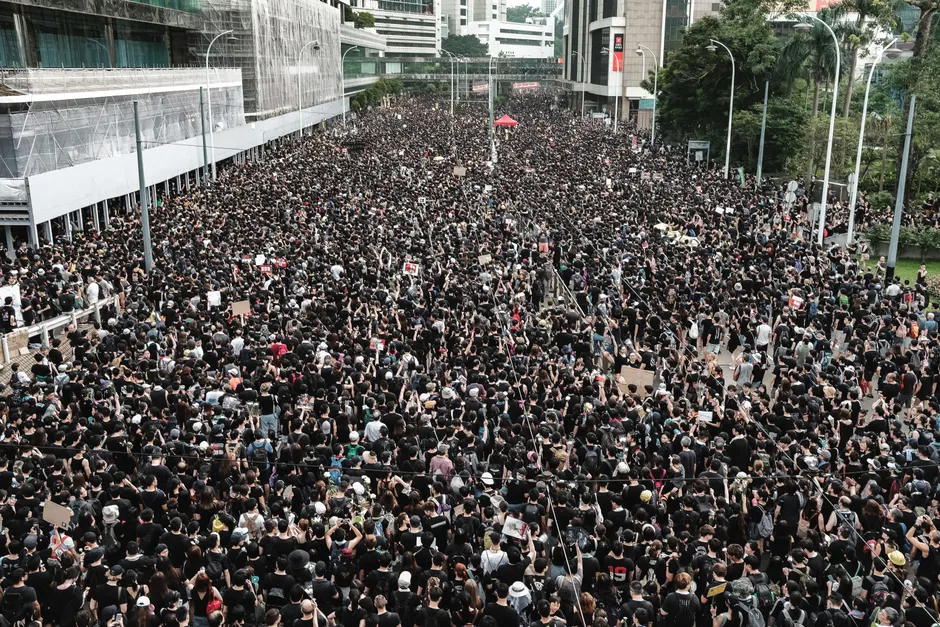
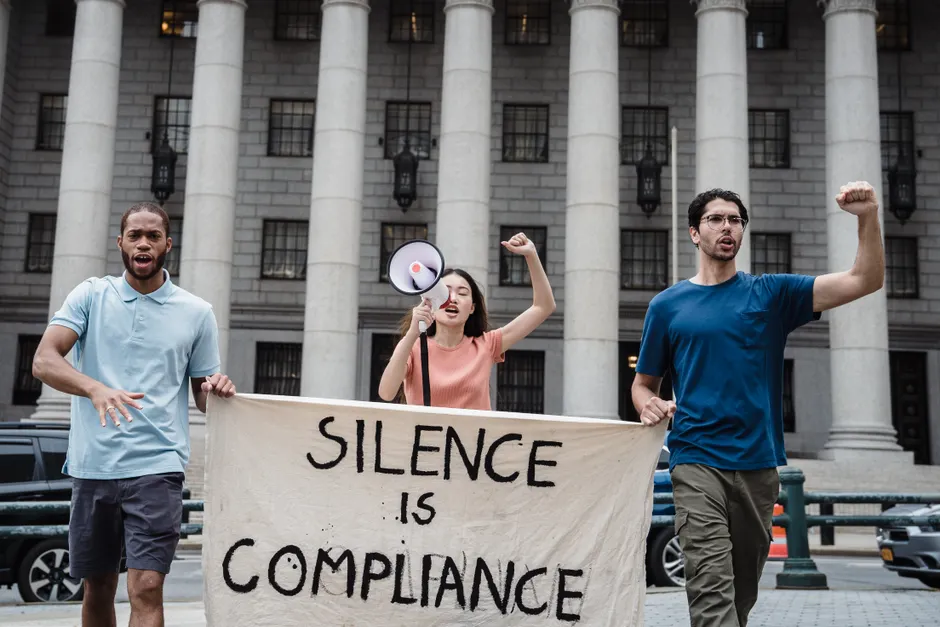
Pro-Palestine protesters marched in several Moroccan cities in late September 2026 to demand an end to diplomatic normalisation with Israel.
The action on September 27 closed three days of protests called by the Moroccan Front for Supporting Palestine and Against Normalisation. Two days earlier, the Moroccan Committee for Supporting the Nation's Causes said it had organised 76 events in 45 cities under the slogan 'Friday for Al-Aqsa and against normalisation'.
Gatherings were reported in Rabat, Casablanca, Marrakesh, Tangier, Fez, Agadir, Oujda, Tetouan, Kenitra and Sale, according to Al Jazeera. In Rabat, protesters gathered outside Parliament. Lakome reported that the demonstration in Marrakesh developed into a march through several main streets. In Agadir, demonstrators rallied on September 26 in support of Palestine amid ongoing military operations in Gaza, as documented by Reuters. Demonstrators carried Palestinian flags and placards in a march calling for an end to the war in the Gaza Strip and protesting normalisation with Israel. Normalisation means formal diplomatic and economic ties.
Responses differed by city. In Tangier, local authorities issued a decision banning a planned demonstration on September 27. Achkayen reported, citing its own sources, that security forces dispersed hundreds of participants there that day and more than 12 people were detained. Lakome reported that authorities prevented demonstrations in M'diq and that security forces surrounded a gathering in Agadir to prevent it from becoming a march. The Moroccan Committee for Supporting the Nation's Causes condemned what it described as bans, restrictions and arrests during the mobilisation.
The protests followed a September 16 announcement that Morocco and Israel plan to elevate their diplomatic missions to full embassies and appoint ambassadors. That is similar to upgrading from a small liaison office to a permanent headquarters. The announcement came after Moroccan Foreign Minister Nasser Bourita and Israeli Foreign Minister Gideon Saar met in New York at a trilateral summit hosted by US Ambassador to the United Nations Mike Waltz. The two sides also agreed to conclude agreements on investment protection and avoiding double taxation, a system to prevent income being taxed in both countries, to expand direct flights and to organise high-level reciprocal visits.
Morocco restored diplomatic relations with Israel in December 2020 as part of the US-brokered Abraham Accords framework, a group of deals in which several Arab states agreed to formal ties with Israel. Washington's recognition of Moroccan sovereignty over Western Sahara, a disputed territory claimed by Morocco, accompanied that restoration.
The broader context here is a collision between two durable commitments. Rabat has linked ties with Israel to US backing on Western Sahara, to investment cooperation and to direct air links. The protest networks link normalisation to the war in Gaza and frame street action as pressure on foreign policy. Embassy-level ties raise the political cost of reversal. Sustained multi-city mobilisation raises the domestic cost of acceleration.
What to watch now is how both tracks sustain momentum. The Front and the Committee showed capacity to call nationwide days of action, to turn vigils into marches in places like Marrakesh, and to document restrictions in real time. That organisational infrastructure predates the September 16 announcement and gives opponents repeated focal points as the embassy plan moves through appointments, investment and taxation agreements, flights and reciprocal visits.
Looking at what this means for diplomats, the near-term question is procedural and managerial. Embassy upgrades require formal steps and visible exchanges. Each step creates another occasion for mobilisation. The differentiated handling of marches so far, permission in some cities, bans and dispersal in others, points to an effort to contain friction without a blanket prohibition. Whether that calibration holds through ambassador nominations and high-level visits will shape the next cycle of contestation over normalisation.