Russia's September 30 Strikes on Kyiv and Izmail: What Happened and Why It Matters

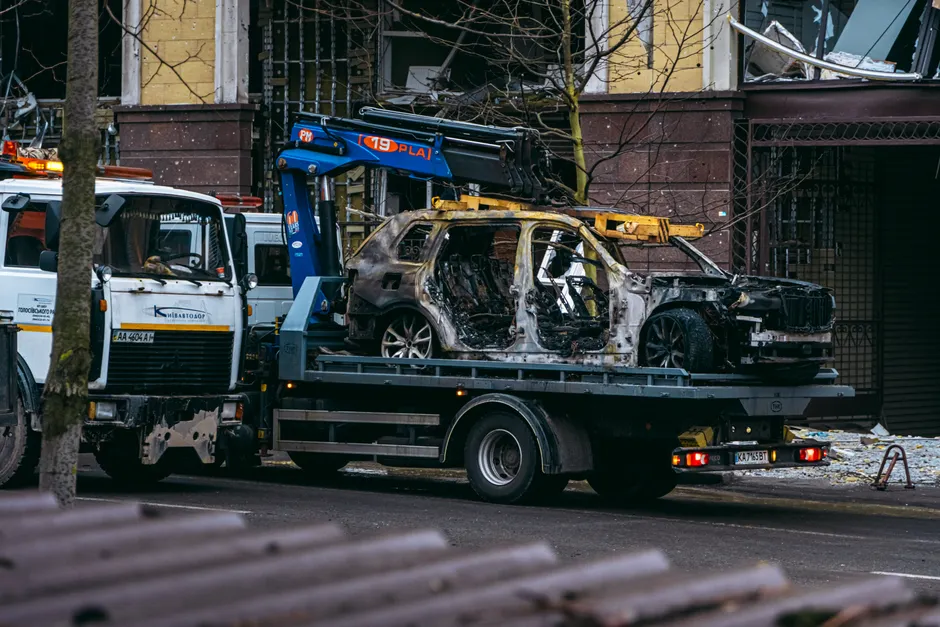
At least three people, including a child, were killed in Russia's overnight strikes on Kyiv and its surrounding regions on 30 September 2026, according to the latest reporting. France 24
The toll covers both the capital and the oblast, the administrative region around it. In Kyiv itself, the attack claimed the life of a municipal worker.
Ukraine's Air Force said Russia attacked overnight with several ballistic missiles and 188 drones. RFE/RL Ballistic missiles are fast, high-arc weapons that drop from altitude and are hard to intercept. Drones here are slower, low-cost aircraft that can carry explosives.
What that pairing suggests is a combined strike meant to strain air defenses. The fast missiles can press through defensive cover while the large number of drones can saturate interceptors and strike follow-on targets.
Russia said its overnight attacks targeted a communications centre and energy facilities in Kyiv and port infrastructure in Izmail, among other targets. The Guardian Ukrainian reporting from the same night described damage to energy facilities and other civilian infrastructure from drone attacks.
The broader context here is that those targeting claims are contested and unverified by independent inspection. The distinction matters because communications and energy nodes can serve both military command needs and civilian supply. Izmail is a Danube port used for export and import flows.
In central Kyiv on the morning of 30 September, Mayor Vitali Klitschko said debris had been found at the premises of one of the western embassies, citing preliminary information. He did not name the embassy. He said emergency services were heading to the site.
What needs care here is any conclusion about that embassy debris. Debris on diplomatic premises can result from interception rather than direct targeting, and Klitschko did not assign cause. Diplomatic sites carry protected status under international law, so any physical impact will require technical assessment of origin, trajectory and whether air-defence debris or a direct strike was involved.
The 30 September barrage followed successive nights of impacts over the capital. Explosions were heard across Kyiv early on 29 September. Al Jazeera Klitschko said missile debris had fallen in a courtyard in Kyiv during that episode.
On the evening of 26 September, Russian drone strikes or falling debris from intercepted drones were reported in three districts of Kyiv. Ukrainska Pravda
Seen together, these three episodes in four days point to a sustained pressure campaign rather than an isolated strike. The pattern includes multi-district effects even when interceptions succeed, since debris falls over dense urban areas, alongside pressure on energy resilience in the capital and logistics at Izmail.
Looking ahead to what diplomats and energy planners will assess, two threads stand out. The first is attribution around the embassy debris and civilian casualties, which will need corroboration from air-force telemetry, crater analysis and embassy security reporting. The second is system impact: whether damage to energy facilities produces localized outages or wider constraints on generation and distribution, and whether disruption at Izmail affects riverine throughput.
For the next assessment, the figures to watch are intercept rates against the 188-drone wave, the type and number of ballistic missiles expended, and satellite or operator confirmation of damage at the named communications, energy and port sites. Those data points will determine whether the operation imposed durable costs or mainly created repair burdens and air-defence expense.