Russia Strikes Ukraine's Energy Grid Despite Claimed Ceasefire

Russia struck Ukrainian energy sites and residential areas overnight into 14 October 2026, killing at least six people and leaving at least 600,000 without power as temperatures in Kyiv fell below 10 degrees Celsius. Al Jazeera
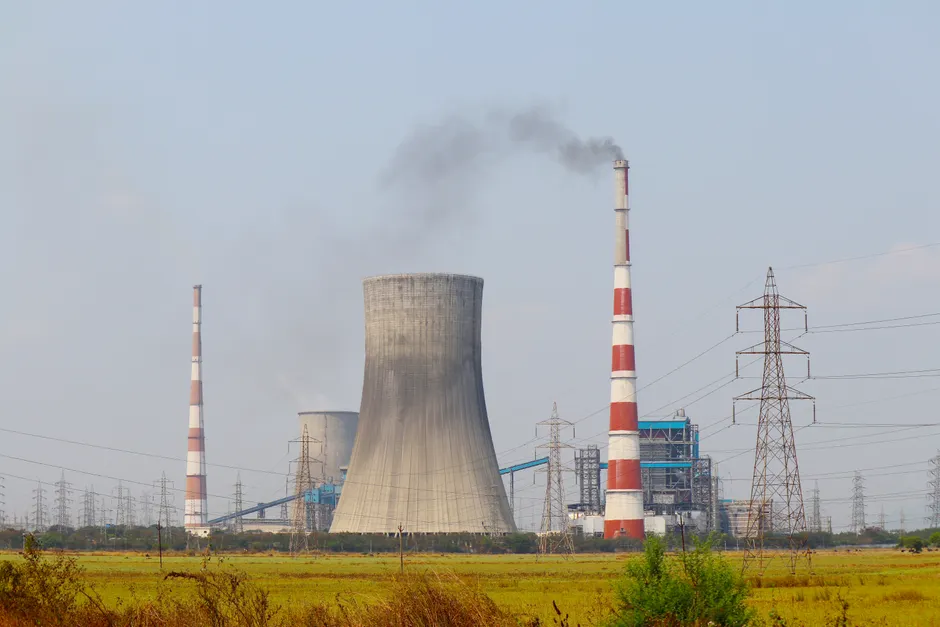
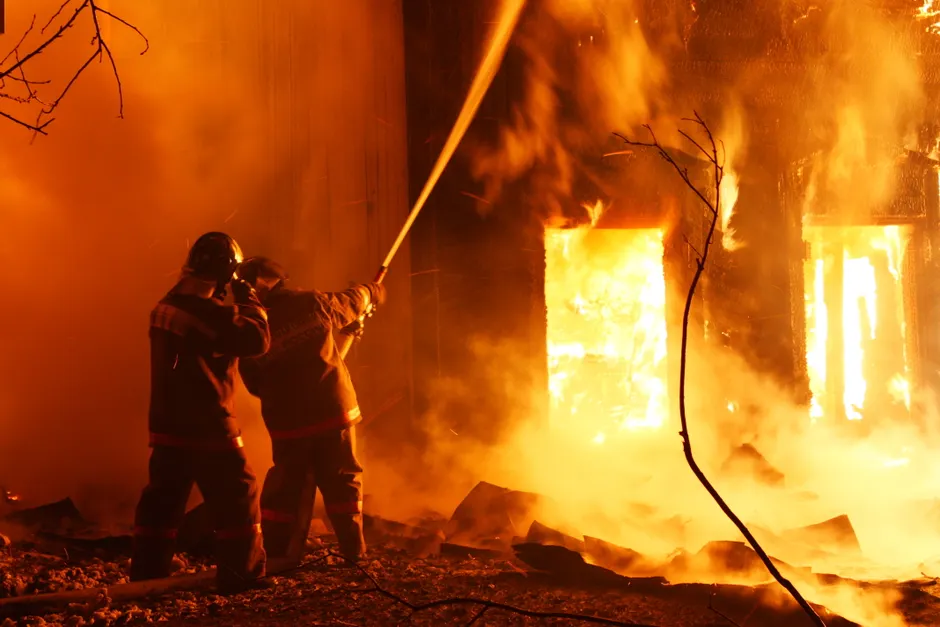
Kyiv took the hardest hit. Mayor Vitaly Klitschko reported a massive ballistic missile strike on the capital's energy facilities, with outages across districts. Ballistic missiles are fast, long-range weapons that are difficult to intercept. At least three people were killed in Kyiv. During the barrage, Russian ballistic missiles struck an apartment building in Kyiv. On the morning of 14 October, hundreds of thousands were still without power.
Ukrainian officials described strikes beyond the capital. Prime Minister Sergii Koretskyi said state railway facilities in five regions were targeted. Ukrainian accounts say at least six energy targets were hit across the country. Reuters
President Volodymyr Zelenskyy said a targeted Russian ballistic missile strike hit energy infrastructure covered by the ceasefire announced by the American president. A ceasefire in this case means a promised halt to attacks on energy sites. He called that strike "entirely deliberate and demonstrative in its scale." He added that "Russia has never before shown such ostentatious disrespect toward the United States." The Guardian
Zelenskyy urged the United States to respond firmly to the attack on Ukraine's energy system. RBC Ukraine The energy ceasefire at the center of his claim was announced by U.S. President Donald Trump. Zelenskyy had said on 12 October that Russia struck energy facilities despite Trump's claim of a ceasefire, and said on Monday that strikes continued despite that claim.
In Rome, Italian Prime Minister Giorgia Meloni told Italy's parliament on 14 October that the U.S. diesel-supply deal with Russia is "a very risky choice" with clear risks. Sanctions are economic penalties meant to restrict funds and trade. Meloni said the arrangement gives Moscow legitimacy, creates new revenue to finance the war, and weakens the effect of sanctions.
The broader context here is that restraint deals need shared rules to hold. An energy ceasefire requires agreement on what sites are protected, who carried out a strike, and how alleged violations are judged. Kyiv describes the overnight barrage as a willful breach of sites covered by Trump's announcement. Moscow has not, in the verified facts, offered a competing account of targeting or compliance. That gap leaves Washington as arbiter.
Looking at what this means for diplomacy, two tracks are now linked. The first is pressure through grid and rail strikes, like cutting household power and supply lines at once. Power plants and railway hubs support civilians and military transport at the same time. Hitting several regions makes repair and backup harder. The second is economic statecraft. Meloni links battlefield conduct to sanctions and energy trade. Her point is that diesel money can sustain fighting while political deals reduce isolation. That creates tension between European unity and U.S. deal-making.
For practitioners, the near-term questions are procedural. What counts as a violation, who confirms it, and what follows a confirmed breach. Zelenskyy wants a firm U.S. response to set a cost. Meloni warns that a parallel energy deal lowers that cost. Whether the ceasefire claim holds will depend less on statements than on consequences for violations and allied agreement on energy and sanctions policy.