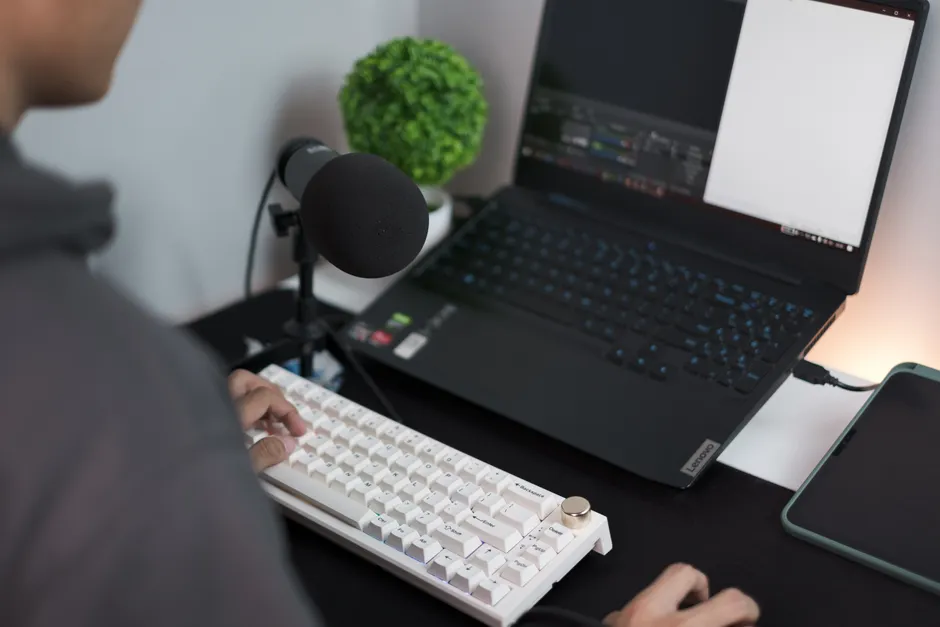
Shure MV6 Gen 2 Adds More Control for Streamers and Creators

Shure has launched the MV6 USB Gaming Microphone Gen 2, an update to its MV6 for gamers and creators. It goes on sale September 30 for $169 from Shure and authorized retailers, according to Engadget.
The Gen 2 adds an all-white color option and includes a longer 2-meter USB-C cable. It keeps a desktop base built to cut down vibrations, with support for mounting on a boom arm. A 3.5mm headphone jack allows direct monitoring with no delay, plus a dedicated mute button.
Control over level and dynamics is the main change. Level sets how loud your voice sits in the mix. Dynamics set how fast the microphone responds to shifts in volume. It pairs with an adjustable real-time denoiser, a slider that sets how much background noise is held back. Adjustable EQ, which shapes tone, plus presets for speech, singing and instruments are set in Shure's free Motiv app.
Compatibility covers desktop and mobile. It connects to Mac, PC and Android over USB-C, and to iPhone and iPad through Apple MFI certification, Apple's licensing program for accessories. Operation is plug-and-play over USB-C. Shure also lists compatibility with Microsoft Teams and mainstream video conferencing software, per Shure. The MV6 line works with the Motiv Mix desktop app and Motiv Video and Audio mobile apps for setup and recording.
The update follows the original MV6 USB Gaming Microphone, a dynamic microphone, a type that handles loud sound and picks up less room noise, built for PC gamers and priced at $149 when it launched in 2024. Shure has more recently described the MV6 as an award-winning, top-rated streaming microphone.
The broader context here is the move of production work from the DAW, the editing software on the computer, into the microphone itself. Processing inside the mic for level, noise removal and tone reduces reliance on host software, OBS filters or post-processing. For streamers and solo creators using one machine, that lowers processor load and setup steps while keeping the sound consistent across machines.
In my view, the most practical choices are the least flashy ones. A base that absorbs vibration, boom compatibility, wired monitoring with no delay and MFI-certified support for iPhone and iPad tackle steady problems in creator audio: desk rumble, lag when hearing yourself, and unreliable mobile connections. Worth flagging is the trade-off in that approach. Presets and sliders make polished sound easier to reach, but buyers who want full manual control over compression, high-pass filtering or noise-reduction side effects will still want to test how clean those tools stay in a difficult room.