Sony ECM-W5: A $400 Wireless Mic Kit That Cuts Cables and Adds Backup
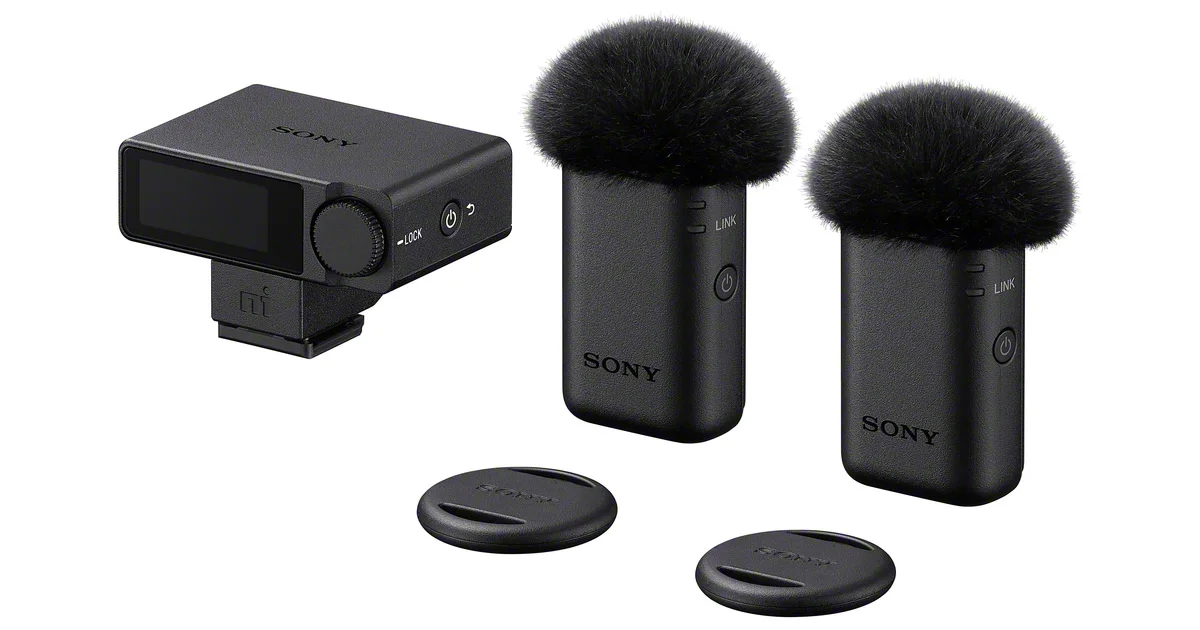
Sony has announced the ECM-W5 wireless microphone kit, a two-transmitter, one-receiver system listed for pre-order at $400 with shipments scheduled for November. The kit pairs two transmitters with a single receiver. Engadget
The receiver mounts to Sony Alpha cameras through the Multi Interface Shoe, the top mount that supplies power and carries audio, so no separate cable is needed. It can also feed other devices over USB-C. A touchscreen handles adjustments. An included USB-C adapter allows direct connection to a smartphone or PC. Engadget
On audio, the system supports 32-bit float recording at 48 kHz, a format that keeps very loud and very quiet sounds usable without setting levels by hand. Investing Sony lists the ECM-W5 as capable of High-Resolution Audio recording. Sony The transmitters are rated to capture 96kHz audio, which samples sound in finer detail, at up to 500 meters in line-of-sight conditions. Engadget
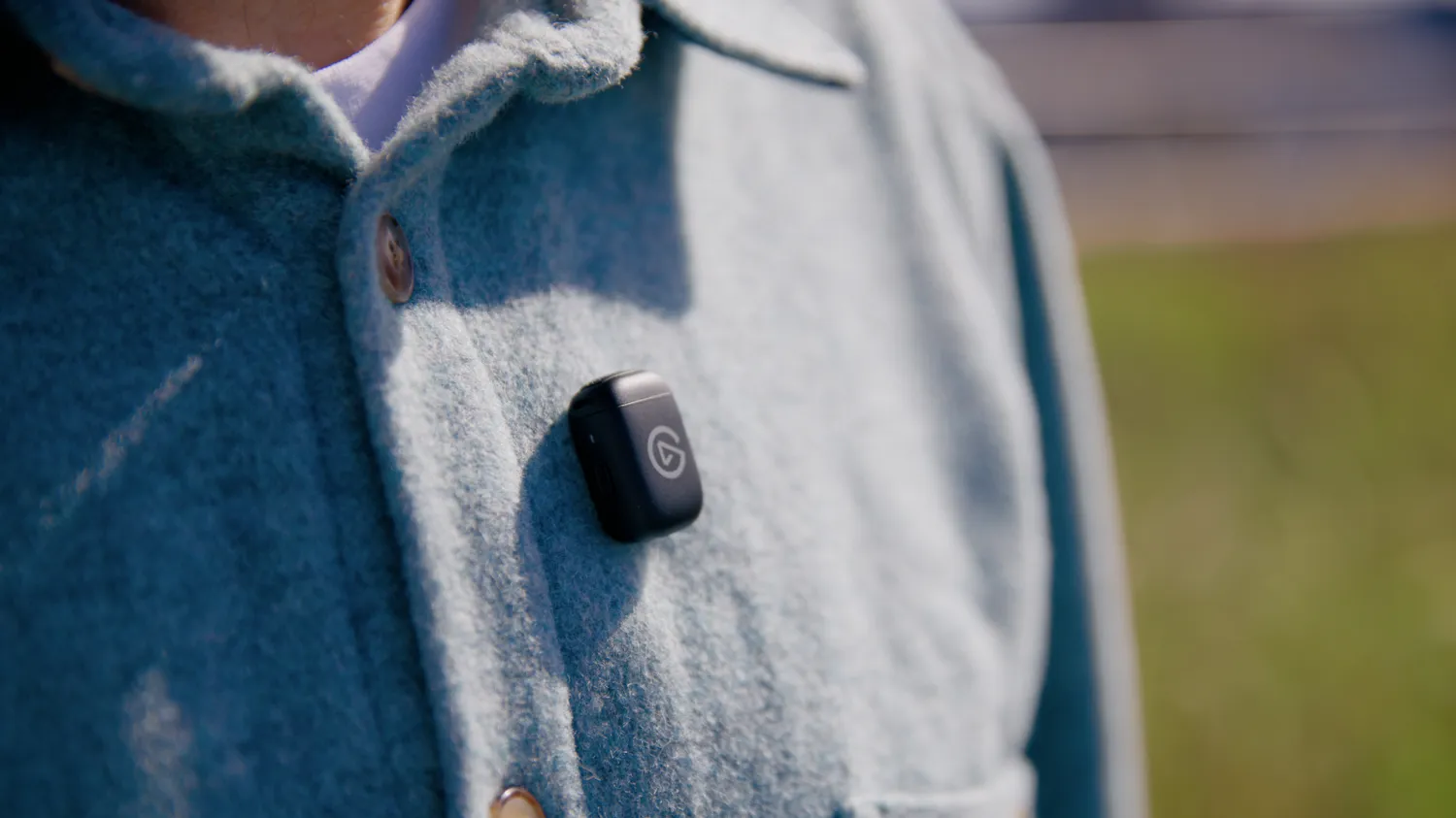
Each transmitter provides 11 hours of battery life and includes 64GB of internal memory for onboard backup, a safety copy stored inside the mic itself. The housings use magnetic backplates for mounting. The system can record up to four tracks at once when expanded with additional transmitters. Engadget
For monitoring, the ECM-W5 supports wireless playback listening over Bluetooth LE, a low-power wireless standard, when paired with compatible Sony headphones. Engadget
Standalone components will be sold alongside the kit. A standalone ECM-W5R receiver is available for pre-order at $190, and a standalone ECM-W5T transmitter at $120. Engadget In Canada the kit is priced at CA$569.99. Alpha Universe Sony will begin shipping the kit in mid-November, PetaPixel with the standalone receiver scheduled for availability in November 2026. Alpha Universe
The broader context here is integration reducing failure points in small-crew audio. Shoe power and data removes a cable and a separate battery to manage. Onboard memory provides a second path if the wireless link drops. For operators working without a dedicated recordist, that kind of redundancy often matters more than a specification increase alone.
Looking at what this means for production workflows, the combination of four-track expansion and USB-C output points beyond a two-person interview setup. Additional transmitters allow more voices without adding another receiver to rig and power. Direct digital output to a phone or PC simplifies streaming and desktop capture chains where an analog hop would add noise and level uncertainty. Magnetic mounting and touchscreen control fit the same pattern, faster setup and faster changes on location.
In my view, the direction is encouraging. Wireless audio has moved from getting any usable signal to preserving options for post, through 32-bit float and local backup. Longer range does not remove the need for careful placement and monitoring. It does lower the cost of difficult locations and hurried takes, and that is practical progress for working shooters.