Inside the Tent Mission to Rescue Gaza's Museum Heritage
Palestinian archaeologists working from a tent in al-Mawasi, Khan Younis, have rescued more than 1,700 historical pieces from four museum collections in Gaza. The operation was reported on Sept. 30, 2026. It is run by the Guardians of Heritage team under the Mayasem Association for Culture and Arts Al Jazeera.
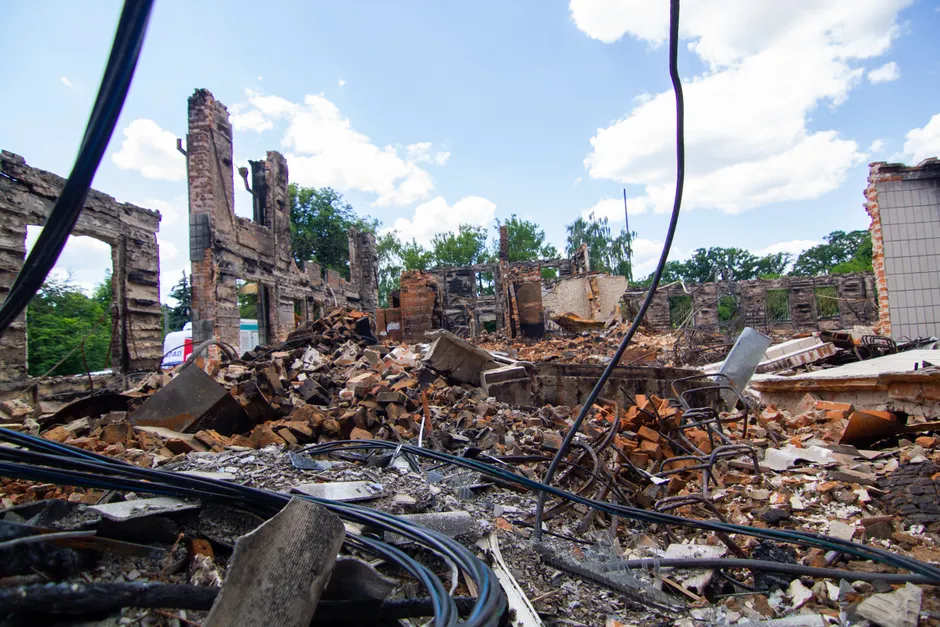
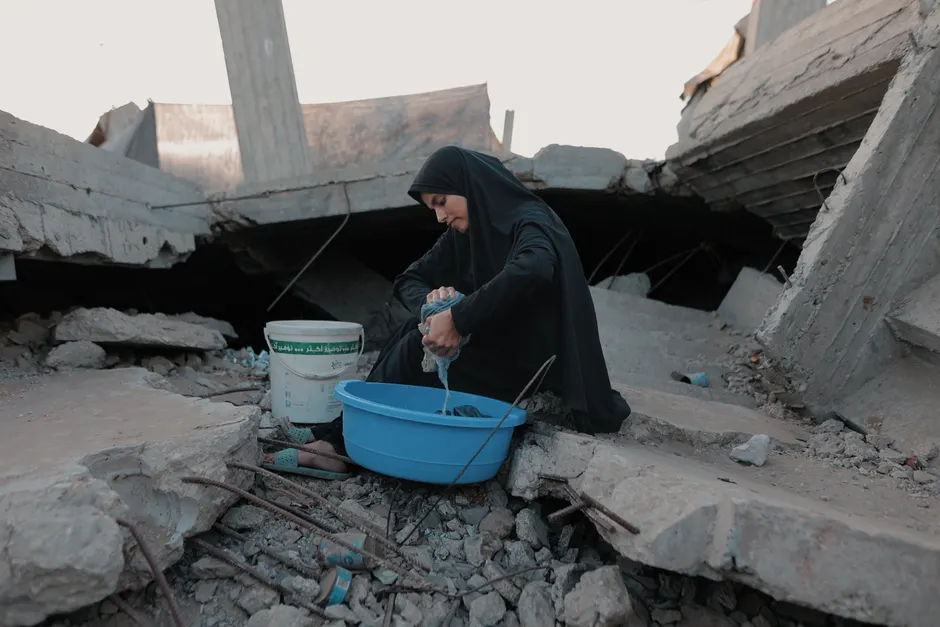
UNESCO has reported at least 164 cultural sites in Gaza damaged since Israeli military operations began in October 2023 and March 2026. The same reporting puts overall physical destruction at 84 percent of all structures in Gaza damaged or destroyed since the war began. Among ancient landmarks affected by Israeli bombing were the Great Omari Mosque, Hamam al-Sammara and Qasr al-Basha in Gaza's Old City, and the al-Qarara Cultural Museum near Khan Younis Al Jazeera.
The team calls itself Guardians of Heritage. Shaimaa Mohammad al-Natour serves as assistant coordinator of the programme. Its work focuses on recovery of at-risk artefacts, packing and transfer to safe storage, and documentation while displaced. The work continues.
That method is not isolated. Elsewhere in Gaza, architectural fragments and small archaeological artefacts were packed and moved to safe storage, and the Mayasem Association runs The Little Archaeologist Project, in which children and volunteers help protect cultural heritage Palestine Exploration Fund. Volunteers also searched the rubble of the Abu Salim Mosque to recover artefacts and preserve the building's heritage Reuters. In a separate incident, aid workers saved thousands of archaeological artifacts after a strike targeted the warehouse building where they were stored The Independent.
UNESCO identifies the EBAF Storage in Gaza City, Gaza Governorate, as a depository of movable cultural property UNESCO. The agency aims to support the inventorying and securitization of archaeological artefacts held in that storage UNESCO. Inventorying means cataloguing objects by provenance, or place of origin, and condition. Securitization means physical stabilization and controlled storage, like an emergency intake list followed by secure shelving.
As of April, 196 Palestinians have been killed in the Yellow Line dividing zone since a ceasefire, or agreed halt to fighting, came into effect in October 2025.
The broader context here is the split between movable and immovable heritage under sustained urban destruction. Buildings cannot be moved. Objects can, but only with packing materials, transport, storage space and consistent documentation. Displacement to tents and temporary depots preserves objects from immediate loss while increasing risks from handling, fragmentation of collections and loss of provenance data.
Looking at what comes next, the questions are practical. How to maintain chain of custody, or a clear record of who held each object, across four dispersed museum collections. How to prioritize triage, or deciding what to save first with limited labor, when architectural fragments, small finds and mosque rubble all compete. How to coordinate local volunteer recovery, including projects involving children, with the formal inventory standards required by international depositories. For diplomats and institutions, the parallel issue is access. Assessment, securitization and eventual restoration depend on sustained entry for specialists and materials, and on protection for storage sites themselves.