California Strengthens Rules for Self-Driving Cars as Companies Prepare for Wider Deployment

California Strengthens Rules for Self-Driving Cars as Companies Prepare for Wider Deployment
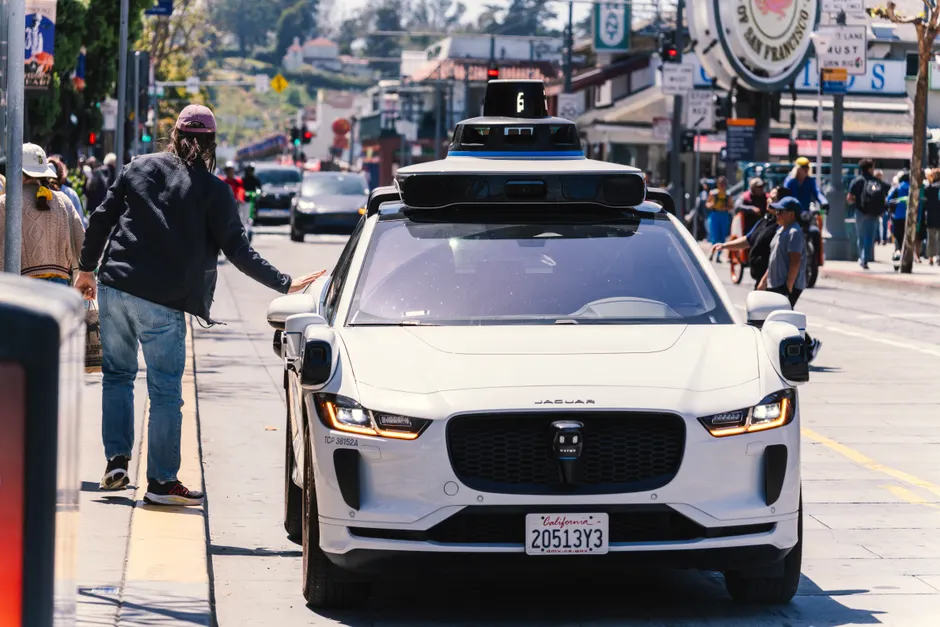
California's Department of Motor Vehicles is updating the rules that govern autonomous vehicles as the technology moves closer to broader commercial use in 2025 and beyond. Three new state laws are changing how law enforcement handles self-driving cars and setting the stage for more widespread deployment.
The biggest shift is in how violations are handled. Under AB 1777, police officers can now issue formal notices of noncompliance directly to the manufacturers of self-driving cars when those vehicles break traffic laws. This is a meaningful change: instead of citing a driver, the state now holds the company itself accountable for how its vehicle behaves on the road.
New Powers for Law Enforcement and Vehicle Tracking
Starting January 1, 2025, AB 1978 gives police the ability to impound vehicles used for illegal racing or to block highways, without needing to arrest a driver. While not specific to self-driving cars, the law reflects California's shift toward controlling vehicle behavior directly rather than only penalizing drivers.
California is also preparing the underlying technology for closer monitoring of vehicles. Beginning January 1, 2027, the state will allow cars to use digital license plates equipped with location technology instead of traditional metal plates. This creates the technical infrastructure for real-time tracking and enforcement of autonomous vehicles.
Cities Get a Say in Self-Driving Services
SB 915 is significant because it gives larger California cities new power to regulate autonomous vehicles within their boundaries. Cities can now set limits on fares, cap how many autonomous vehicles operate in their area, and require companies to share data about their operations. Previously, only the state had this authority through its permitting system.
This addresses a real gap. While the state has always approved whether autonomous vehicles can test and operate, it never accounted for local transportation planning — concerns about congestion, service coverage, or safety specific to a particular city. Now cities have tools to shape how self-driving services fit into their communities.
Stricter Rules for Autonomous Trucks
California released draft regulations for autonomous trucks on August 30, 2024. The rules keep in place a weight limit of 10,001 pounds — meaning very heavy freight trucks remain prohibited from operating fully autonomously. For smaller commercial vehicles that do qualify, the new rules require a human operator to be present and demand that all collisions and traffic violations be reported to the DMV.
The weight restriction reflects a cautious approach. Current rules, set in December 2019, allow testing and limited deployment of autonomous trucks under that threshold with proper permits, but the state has not yet approved fully driverless heavy trucks that haul most interstate freight.
How Companies Must Comply
Autonomous vehicle manufacturers must obtain specific permits from California before they can test or commercially operate their vehicles on public roads. There is no way around this: testing requires one type of permit, commercial deployment requires another. The state uses this phased approach to move technology from experimental stage to real-world use in a controlled way.
The broader context here is worth flagging. California has faced this balancing act before — in the 1990s, when cellular networks were becoming commercial. Back then, states had to figure out how to let new technology develop while still protecting the public. The solution was layered rules: one set of requirements for the technology itself, another set for how it could actually be used. What California is doing with autonomous vehicles follows that same tested pattern.
What These Changes Mean for the Industry
The regulatory updates tackle three separate challenges: holding manufacturers responsible when their vehicles break traffic laws, giving cities control over autonomous vehicle services, and setting safety standards for commercial trucks. Each addresses different players in the autonomous vehicle world while keeping California as the state that certifies whether the technology itself is safe.
The shift to manufacturer accountability through AB 1777 creates a direct incentive. If a company's vehicle gets cited for a traffic violation, that hits the manufacturer's record, not an individual driver's. This could push companies to program more cautious driving behavior into their systems. When combined with SB 915's local authority, you end up with a two-level accountability system: manufacturers answer to the state, operators answer to cities.
The timing suggests California is preparing infrastructure for a bigger rollout. The 2027 date for digital license plates gives two years for the technology to be built and tested. Meanwhile, the new enforcement tools take effect immediately to handle operational issues with current pilot programs.
What This Means for Companies Building Autonomous Vehicles
Autonomous vehicle companies now face new requirements in three areas: they must comply with state-level traffic enforcement notices, navigate city-specific regulations for where and how they operate, and file detailed reports on incidents and violations with the DMV. This means building systems that can interface with law enforcement, share data with municipal governments, and track their own performance in ways they previously didn't have to.
Because California is effectively the testing ground for autonomous vehicle policy in the United States, other states typically watch and adapt what California does. The emphasis on manufacturer accountability and local control suggests that when autonomous vehicle deployment expands nationally, other states may follow this same model of state certification plus city-level operational rules.