September Dip Fits History, but 2026 Still Holds a Big Lead
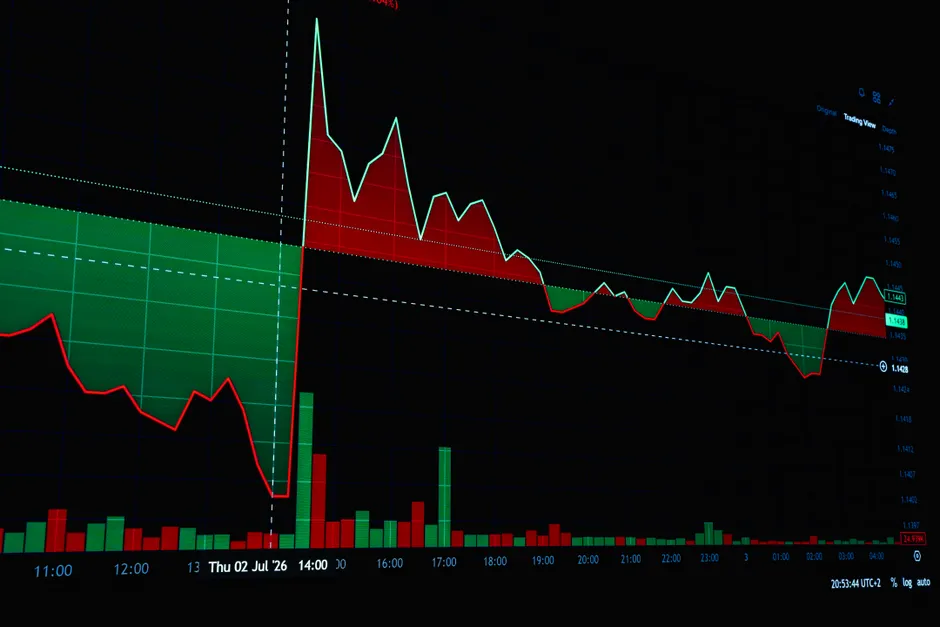
The S&P 500 was down 1.75% for September and the Nasdaq Composite was down 1.5% for the month as of Sept. 20, 2026. Yahoo Finance
September is the calendar's worst-performing month for stocks, with the S&P 500 averaging a 1.1% September decline in data going back to 1928. MarketWatch Think of seasonality like a weather average. It tells you September tends to be rainy, not that it will rain every day.
The September dip followed a 12.3% year-to-date rise in the S&P 500 in 2026, which put the index on track for a fourth straight yearly gain. Morningstar
Moves inside the month went both ways. On Sept. 18, 2026, the S&P 500 rose 0.17%. Reuters A year earlier, on Sept. 2, 2025, the S&P 500 fell 44.72 points, or 0.7%, to close at 6,415.54.
A separate factor was index membership. S&P Dow Jones Indices announced that Bloom Energy, Illumina and Everpure would join the S&P 500 before the open on Monday, Sept. 21, 2026. S&P Global When that happens, funds that track the index must adjust holdings, which creates extra buying and selling around the change date.
August already showed big gaps between winners and losers. Palantir and Salesforce were among the best-performing stocks in August 2026, while AppLovin and Honeywell were among the worst-performing stocks in August 2026.
The broader context here is how to read that 1.1% September average against a year when the market was up 12.3% and aiming for a fourth straight gain. An average is a starting expectation, not a forecast. It includes years when September rose. For savers and 401(k) investors, the practical question was whether to ride out normal September weakness, try to hedge it, or accept tracking error from being underweight beta, in plain terms lagging the index because you own less stock-market exposure.
Looking at what this means in practice, the mix of a soft September average, single-day bounces, and wide August gaps points more to uneven results across stocks than to everything falling together. The Sept. 21 additions focused forced trading in a few names. When winners and losers split that widely going into a soft month, how you are positioned can matter more than what the index does, depending on liquidity around reconstitution, the mix of risk factors you held into September, and tolerance for short-term underperformance if seasonality fails to repeat.