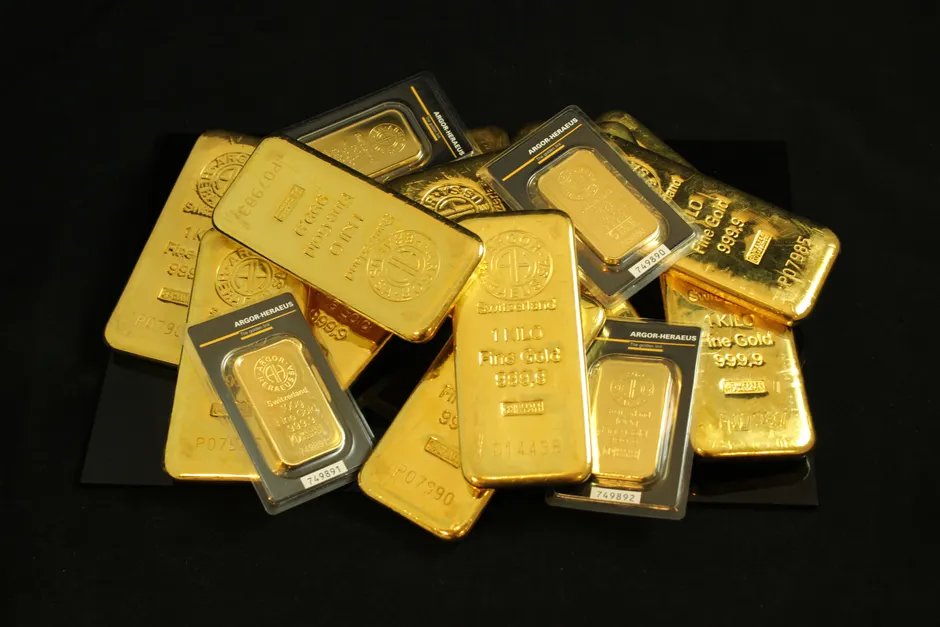
Gold's $4,100 Drop Reveals a Dangerous Trade Crowding
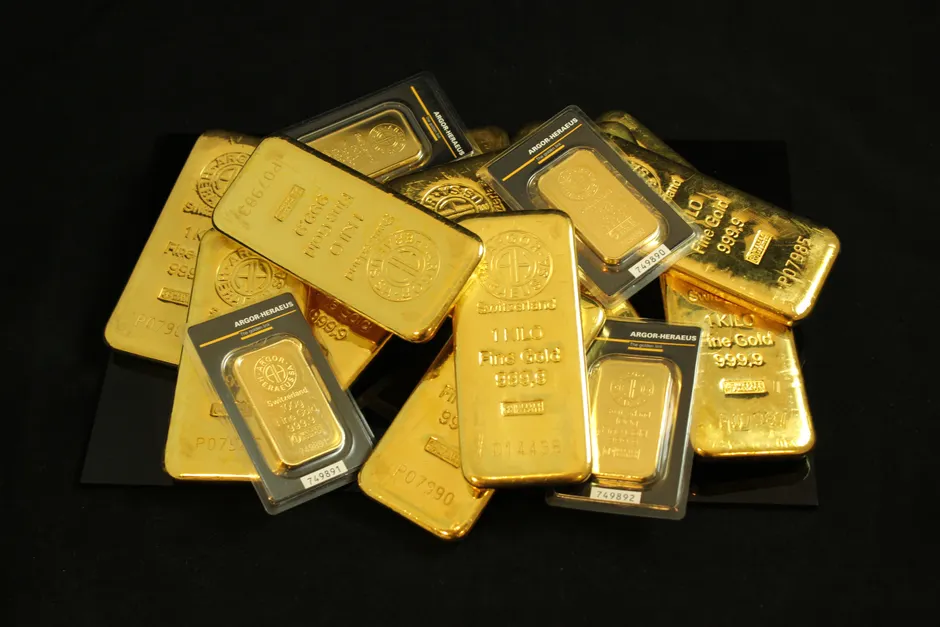
Gold fell below $4,100 per ounce in late June 2026 as a technology-led stock market selloff forced fund managers to dump liquid assets across the board—pulling the metal back from its record highs, according to Bloomberg.
This move exposes gold's double-edged reputation as a haven asset. When stock portfolios suffer heavy losses, managers scramble to raise cash to cover margin calls (borrowed money they must repay) and meet investor redemptions. Gold, after its multi-year climb, is both highly liquid and profitable to sell. The metal had already retreated from $4,000 in October 2025 when progress on US-China trade talks reduced the geopolitical risk premium that had driven it higher, Bloomberg reported. But June's drop is different: it stems from forced selling across all risky assets, not from a shift in economic fundamentals.
The Rally That Brought Gold to $4,000
Gold's climb to $4,000 was not one cause but a layering of pressures. The metal gained 27% across 2024, per The Wall Street Journal, as central banks—particularly those in emerging markets—bought gold to diversify their reserves away from dollars. This structural demand held firm even as the US Federal Reserve kept interest rates high. The pace quickened sharply in early October 2025 when a US government shutdown and a political crisis in France combined to drive haven-seeking demand. Gold touched $4,000 on 6 October and broke above it two days later, Bloomberg reported, with the shutdown and mounting economic uncertainty cited as the immediate catalysts.
The psychological milestone of $4,000 mattered, but what truly moved the needle was the self-feeding nature of the rally. Momentum traders, ETF inflows, and options hedging all added buying pressure that partly detached from any single macro story. That same dynamic explains why reversals since then—first on trade optimism in October 2025, now on tech liquidation in June 2026—have been sharp rather than gradual.
What Analysts Expected (And What Has Changed)
Goldman Sachs, writing in October 2025, projected gold would hit $4,900 per troy ounce by year-end 2026, per the WSJ. With the metal now trading below $4,100 and six months remaining, that target requires a rally of more than 19%. Goldman's case rested chiefly on two pillars: sustained central bank buying and a structural realignment in how reserve managers value geopolitical insurance. Neither has reversed. Yet the path looks steeper now than it did when the forecast was made.
Here's the distinction that matters: forced selling in a financial crisis does not alter the underlying supply and demand equation. Mine supply remains tight. Central banks—led by China, Poland, and Turkey in recent quarters—continue to accumulate. The fiscal problems that originally triggered de-dollarisation (the move by central banks away from dollar reserves) have not eased. What has shifted is trader positioning and market sentiment, which can be a major driver of commodity prices over shorter periods.
The current episode also fits a familiar pattern: when speculation is crowded and equities tank, gold momentarily behaves like a risky asset rather than a hedge. Investors who bought above $4,000 as protection against market turmoil are now watching it decline during exactly the type of event it was meant to cushion. That contradiction typically resolves once forced sellers exhaust themselves and gold reverts to its safe-haven role, though the timing is unpredictable.
Looking ahead, the June drop has reset expectations. Longer-term buyers may find value here; momentum-driven traders holding long positions face a structurally difficult spot. Whether Goldman's $4,900 target holds through the end of 2026 will hinge far less on any single geopolitical shock than on whether central bank demand persists and whether the dollar weakens as US fiscal pressures build.