Gold Nears $4,700 as the 'Debasement Trade' Returns. Here's What's Driving It.
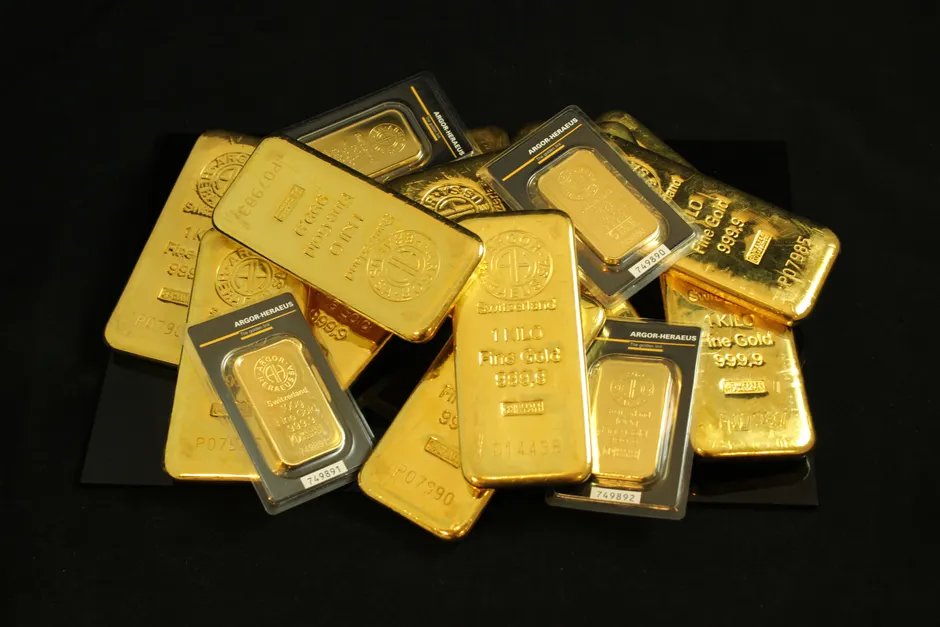
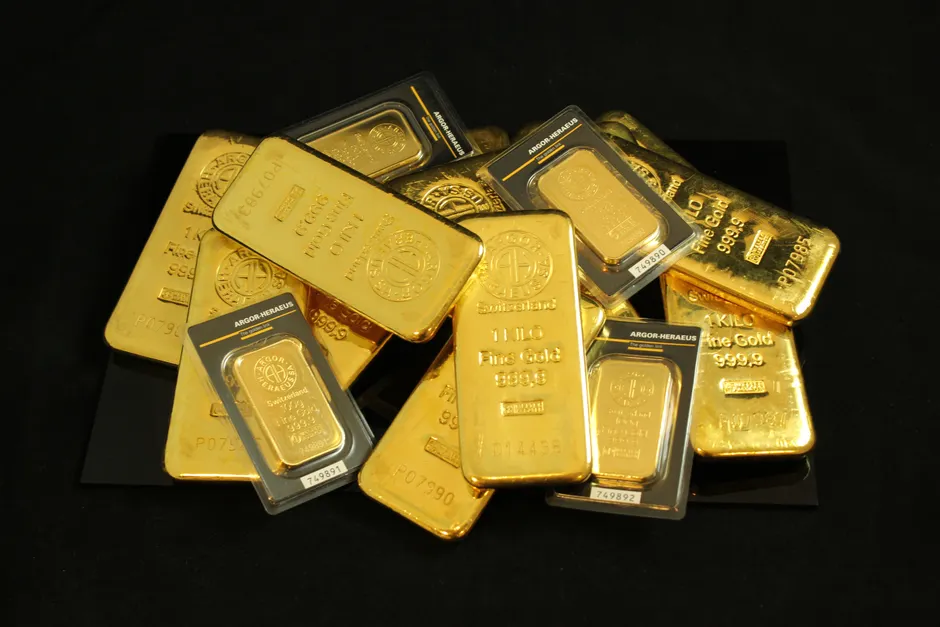
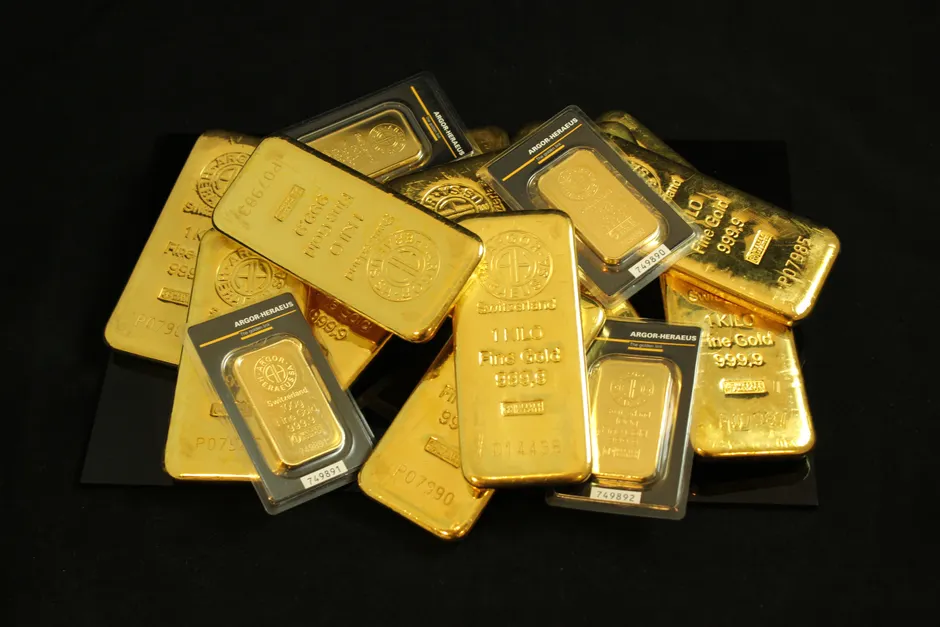
Gold prices pushed toward $4,700 per ounce in the week beginning August 24, 2026, trading at their highest level in 15 weeks as investors revived the so-called debasement trade (Kitco). On Monday, August 25, gold touched three-month highs, building on the previous week's advance of more than 5% and extending its climb to five consecutive weeks (CNBC). Comex gold settled 0.36% higher at $4,640.80, with the metal's appeal growing amid an uneasy U.S. fiscal outlook (WSJ).
The macroeconomic catalyst is straightforward. U.S. federal debt passed $40 trillion as Treasury buybacks expanded, underpinning the debasement trade thesis that favors hard assets over fiat currencies exposed to erosion through monetary expansion (Global X ETFs). In plain terms, the debasement trade is a bet that governments will keep printing or borrowing money until the currency loses purchasing power, making tangible assets like gold more attractive by comparison. That structural concern has been the recurring driver of gold's multi-quarter bid. Back in October 2025, gold closed at new record highs buoyed explicitly by monetary debasement fears (WSJ). The current rally is the same trade reasserting itself after an interruption.
That interruption is worth tracing. In late June 2026, a hawkish shift driven by Fed rate-hike expectations appeared to derail the debasement trade, pressuring gold as higher real rates reduced the opportunity cost of holding non-yielding assets (WSJ). Real rates are interest rates adjusted for inflation; when they rise, gold becomes less attractive because it pays no income, so investors lose more by holding it instead of interest-bearing bonds. Gold declined in Asian trade, and markets appeared to be waiting for Fed Chairman Kevin Warsh to clarify his views on when the central bank is likely to act (WSJ). The metal's renewed strength suggests investors have concluded the fiscal trajectory will overwhelm whatever rate path the Fed signals.
The tension between these two forces, fiscal-driven debasement fears and rate-driven opportunity cost, defines gold's current trading dynamics. An earlier snapshot showed Comex gold ending the week 2.07% higher at $4,300.10, underpinned by dollar weakness (WSJ). The progression from that level to the current push toward $4,700 over roughly two months tracks the reawakening of debasement concerns as the primary price driver, even as the rate-hike backdrop persists.
What sharpens the rally now is the combination of fiscal deterioration with global trade disruption fears. Gold extended gains in the afternoon Asian session on fears of trade disruption, closing at record levels as debasement concerns compounded risk-hedge demand (WSJ). The confluence of a $40 trillion debt milestone, expanding Treasury buybacks, and renewed geopolitical risk premia has produced a bid that the hawkish rate narrative has so far been unable to suppress.
The Warsh Fed's next communication looms over this setup. Markets pricing gold toward $4,700 are effectively betting that fiscal dominance will force the central bank's hand regardless of its stated tightening posture. Fiscal dominance is the dynamic where mounting debt service costs constrain monetary policy options, essentially leaving the Fed little room to raise rates without worsening the government's own debt burden. The five-week, 5%-plus rally signals that positioning has shifted decisively in favor of that thesis. Whether it holds depends on whether Warsh can credibly separate rate policy from the fiscal trajectory, or whether the market's assessment that the two are converging proves correct.
The broader context here matters for anyone trying to understand whether gold's surge is built on solid ground or crowd momentum. For portfolio managers, the relevant variable is not whether debasement fears are justified. At $40 trillion in federal debt with buybacks expanding, the structural case is self-evident. The question is positioning: how much of gold's move from $4,300 to $4,700 reflects fundamental repricing versus momentum-driven inflows into the debasement narrative. The 15-week high watermark and five-week winning streak suggest the latter is contributing meaningfully. FOMC communications remain the primary near-term risk to that positioning, and any signal that rate policy will stay restrictive independent of fiscal pressure could unwind the more speculative leg of the rally.