Venezuela's Earthquake Crisis: Why the First 24 Hours Matter Most

Two powerful earthquakes struck Venezuela on Wednesday, June 24, killing at least 32 people and injuring more than 700. The tremors hit with enough force to send residents of La Guaira — the coastal city that serves as Caracas's main port — digging through collapsed buildings with their bare hands to reach trapped neighbors.
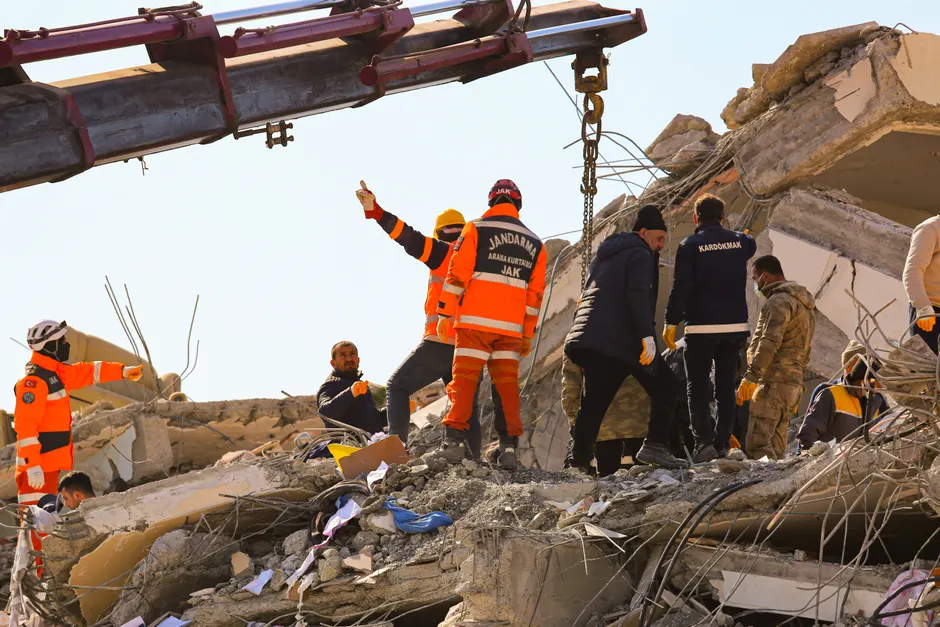
The response unfolding now reflects both the immediate crisis and a deeper problem: Venezuela's emergency systems have weakened significantly after years of economic decline. International governments and humanitarian organizations moved quickly to send money, rescue teams, and supplies within hours of the quakes. That speed is critical. Research on past major earthquakes shows that the vast majority of people rescued alive are pulled from rubble within the first 24 hours; after that, survival odds drop sharply. The same research indicates that people trapped in air pockets within collapsed structures can survive for a week or longer, depending on the severity of their injuries, whether they can breathe, and temperature — so for those still missing, rescue may still be possible as of now.
La Guaira's setting makes disasters worse. The city sits in a narrow strip of coast between the Caribbean Sea and steep mountains, a geography that intensifies earthquake shaking and blocks escape routes. The area carries historical scars: in 1999, a massive mudslide and flood killed tens of thousands of people in this same region. Since then, many informal settlements have been built on unstable ground — a problem earlier governments never fixed. Much of the housing in poorer neighborhoods was built before modern earthquake-resistant building codes existed, or was never formally permitted — conditions that typically mean more buildings collapse when earthquakes hit.
Venezuela's ability to handle a mass-casualty disaster is limited by long-standing weaknesses in emergency response, hospitals, and heavy rescue equipment — deficits that worsened after oil revenues collapsed roughly a decade ago. The Maduro government's difficult relationship with Western countries adds another challenge: Caracas has historically been careful about which outside aid it accepts and how it arrives. Whether the incoming international assistance gets through smoothly — or whether aid gets stuck at borders or held up in customs — will affect how many survivors make it in the days ahead.
The earthquake risk here deserves context. Venezuela sits in a tectonically active zone where the Caribbean plate meets the South American plate. The country has experienced destructive earthquakes throughout its recorded history, but investment in early-warning systems and building resilience has fallen behind neighboring Colombia and Peru, both of which have made real progress in earthquake preparation over the past two decades.
Immediate action remains the priority in any mass-casualty collapse: get specialized rescue teams and medical personnel into affected areas before the critical survival window closes. International mobilization is happening, but what matters most now is how fast those resources actually arrive — not just the promises made. That determines how many people come out of the rubble alive.