Flow Engineering Raises $50M to Put AI Agents in Hardware Design
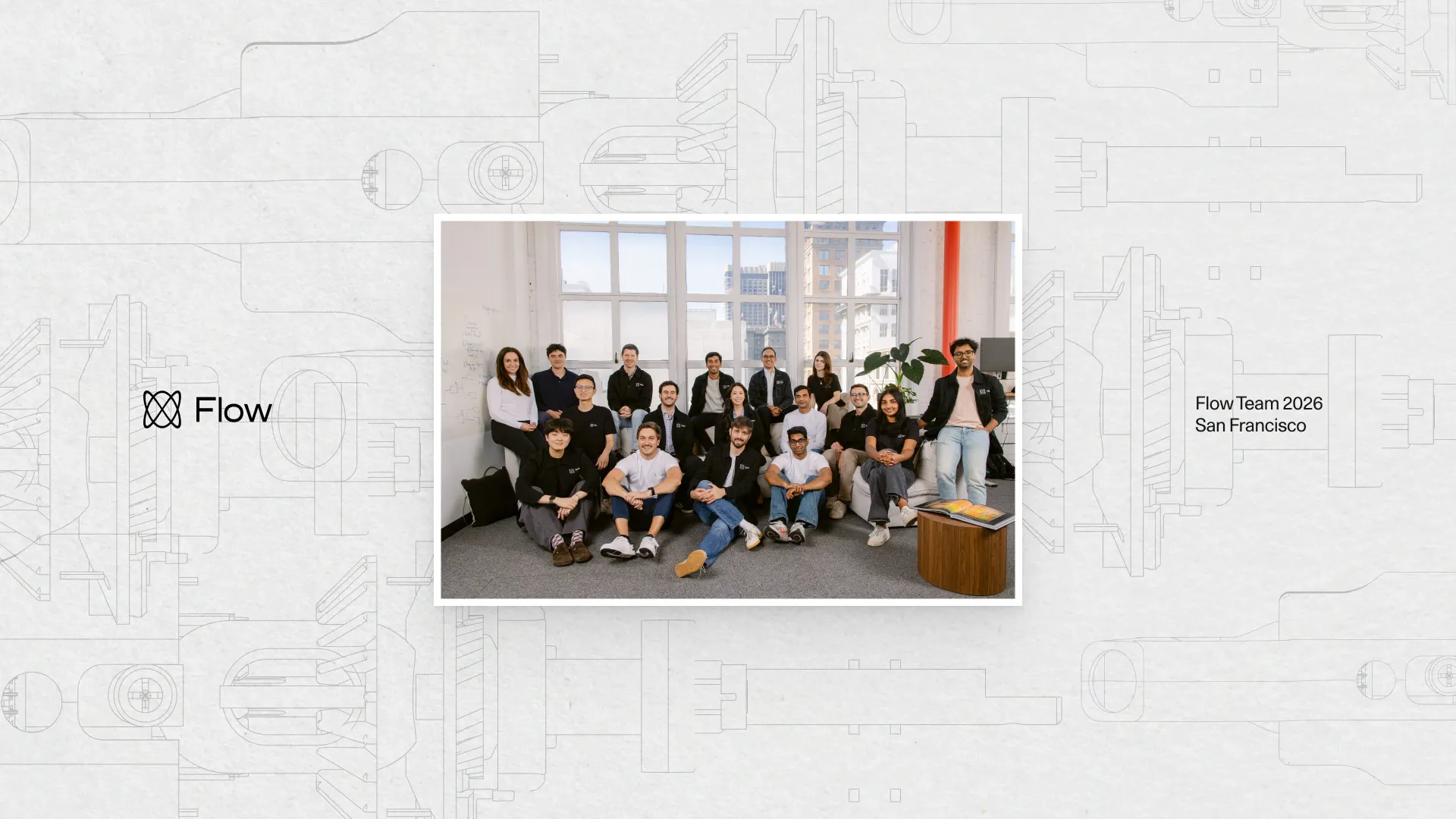
Flow Engineering has raised a $50 million Series B at a $750 million valuation, as reported Sept. 30, 2026. The three-year-old San Francisco startup said the round was co-led by Antonio Gracias of Valor Equity Partners and Gavin Baker of Atreides Management. TechCrunch
Sequoia Capital participated after leading the company's Series A last October. TechCrunch Former Sequoia partner Roelof Botha invested as an individual investor and has joined the board. TechCrunch The company lists his role as independent director. Flow Engineering
Flow Engineering names Anduril, Rivian, Joby Aviation, General Motors PPU, RV Tech and Stoke Space among its customers. TechCrunch
The product at the center of the financing is Flow v3. The company describes it as an agentic platform for systems engineering, meaning AI software that can take actions inside the workflow rather than only draft text. It is designed to let AI agents perform real engineering work directly inside hardware development workflows. Flow Engineering
Flow Engineering said it built Flow v3 with leading hardware companies and AI research labs. Flow Engineering The system offers AI agents for hardware design that automatically align CAD drawings, the digital 3D models that define parts, with product requirements, simulation results and other testing. TechCrunch
The company launched Flow v3. Flow Engineering Its blog also lists an event titled "Hardware's Generational Moment: A Fireside Chat with Roelof Botha" dated June 17, 2026. Flow Engineering
The broader context here is one hardware engineers know well. Requirements live in one place. Geometry lives in another. Simulation and test live in a third. Keeping them consistent is manual, error prone, and slow. Software solved a version of this with continuous integration, automatic checks on each change, and a single trusted master record. Hardware has not had an equivalent.
In my view, the claim to watch is not automation in general but agency with accountability. Drafting assistance is cheap. The harder problem is maintaining traceability when an agent changes a drawing, updates a requirement link, or reconciles a failed simulation. Expert teams will ask where the change came from, what was checked, and who approved it. Trust will come from logs and review, not autonomy alone.
Looking at what this means for development teams, the immediate leverage is iteration speed. Manual alignment forces engineers to pause design work to chase documentation. Automatic alignment keeps the loop tight. That does not remove engineering judgment. It moves it upstream, toward architecture, tradeoffs, and verification strategy. Engineers still decide. The system keeps the record current. Over time, that is how hardware iteration starts to feel closer to software iteration, without pretending physics goes away.
Looking at adoption beyond early programs, integration matters more than raw model capability. Hardware workflows carry safety margins, supplier limits, and certification history. Tools that work inside those constraints tend to persist. Tools that require teams to abandon them do not. The financing gives Flow time to confirm that fit in production use.


