Micron's $22 Billion Memory Bet and the AI Supply Crunch Spreading Beyond Data Centers
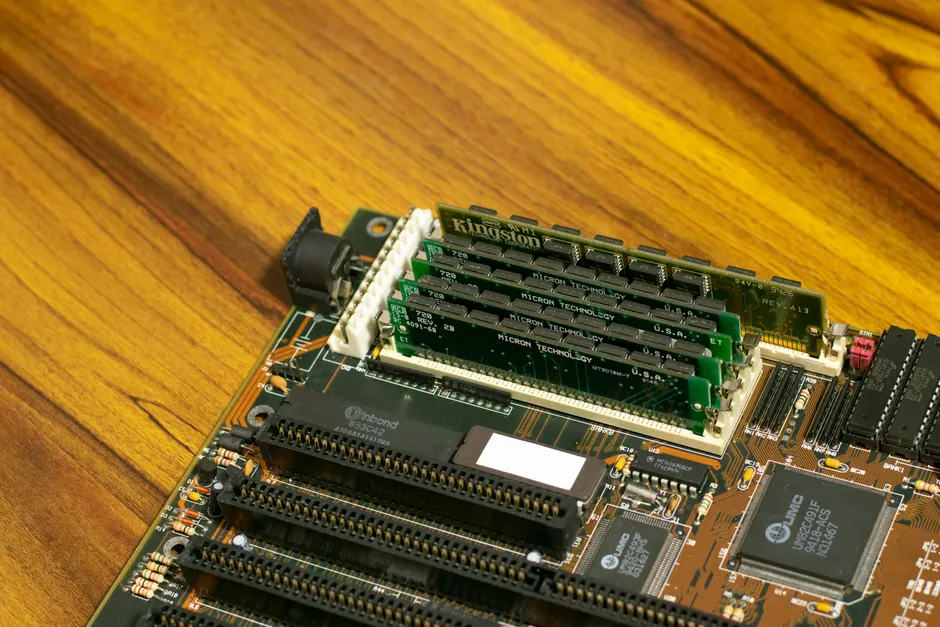
Micron has secured $22 billion in customer commitments for memory chips, according to a forecast Reuters reported on 25 June 2026, as sustained AI infrastructure spending pushes HBM and DRAM pricing to multi-year highs and locks volumes well into the back half of this decade.
Memory chips have historically been one of the most volatile segments of the semiconductor market. Oversupply crashes prices within a few quarters, and manufacturers have often burned through their reserves chasing market share. What has shifted is who is doing the buying. Hyperscalers — the cloud giants building massive GPU clusters for AI training and inference — are now locking in memory volumes years in advance, much the way they once secured long-term electricity contracts. They are paying premium prices to guarantee supply continuity, regardless of market conditions. That structural change is significant enough that it pushed Micron into the $1 trillion market-cap bracket in May 2026, as Reuters reported at the time.
Supply Pressure Beyond the Data Center
The demand signal from AI data centers is not confined to hyperscalers. Reporting from early June 2026 showed automakers and retailers already flagging memory shortages as a direct cost pressure. Consumer-facing price increases were described as a likely consequence of the supply squeeze, with both sectors warning publicly that constrained memory availability was feeding through to finished goods.
This pattern has appeared in prior industry supercycles: the wafer capacity that chip makers allocate to high-margin HBM stacks for AI is capacity that does not go toward commodity memory used in vehicles or retail systems. Micron, Samsung, and SK Hynix have all been reallocating production toward high-margin HBM, which means the more conventional memory needed for automotive control systems and point-of-sale terminals competes for a shrinking slice of manufacturing capacity.
The automotive sector is particularly exposed. Modern vehicles carry far more memory than mid-range computers did a decade ago — driver-assistance systems, software updates, and in-cabin systems all demand memory that is now being bid up by data-center buyers with much larger purchasing power. Automakers work on multi-year design cycles and cannot easily pivot to alternatives; they are, for now, price takers in a seller's market.
What Five-Year Pricing Lock-Ins Signal
Micron's $22 billion in locked contracts — spanning what sources describe as a five-year horizon — tells you where the industry expects pricing floors to land. Memory vendors do not offer long-term supply guarantees when they expect prices to fall; they offer them when supply is expected to remain tight and buyers are willing to pay a premium for certainty.
The context here is that new fab capacity for advanced DRAM and HBM takes two to three years from funding approval to production. Advanced packaging for HBM through partners like TSMC adds further time. Even if Micron, Samsung, and SK Hynix greenlit capacity expansions today, meaningful relief would not arrive until 2028 at the earliest. Buyers who understand this timeline are the ones signing five-year deals now.
The more interesting risk to watch is not Micron's revenue — that looks well-supported — but whether the supply concentration in advanced memory packaging becomes a systemic vulnerability similar to the TSMC dependency that has dominated semiconductor policy discussions for several years. Three vendors control virtually all HBM production, and all three depend on a narrow set of advanced packaging partners. Geopolitical friction anywhere in that chain — whether Taiwan, South Korea, or China export controls — would have outsized consequences in a world where AI infrastructure has become a strategic priority for multiple governments.
The $22 billion in bookings secures Micron's near-term financials convincingly. The broader memory supply picture for the rest of the market remains considerably less settled.


