Lemmo 3 Cargo E-Bike Pairs Full Suspension With a Semi-Solid-State Battery
German e-bike maker Lemmo is preparing the Lemmo 3, its first cargo bike and one of the first electric bikes built around a semi-solid-state battery. Reporting published Oct. 1, 2026 describes a 960Wh removable pack rated for up to 180km (110 miles) of assisted range The Verge.
The chemistry is the technical headline. A semi-solid-state cell uses a partly solid electrolyte, the material that moves charge inside the battery, instead of a fully liquid one. Lemmo claims the pack is 20 percent smaller and lighter with 30 percent longer lifespan. The company has not detailed test conditions for those figures in the material reported so far, and the baseline for comparison is not specified. Capacity is high for a removable e-bike unit, and the quoted range sits at the top end of what cargo buyers expect when carrying a load.
At system level, the Lemmo 3 weighs 39kg (86 pounds) with its 5kg (11 pound) battery installed. The pack is removable. Off the bike it can power AC appliances up to 1000W and USB-C devices up to 66W, which gives it a second role as portable power as well as riding energy. That dual role is unusual in this segment, where removable batteries are typically limited to bike power and low-voltage USB output for phones.
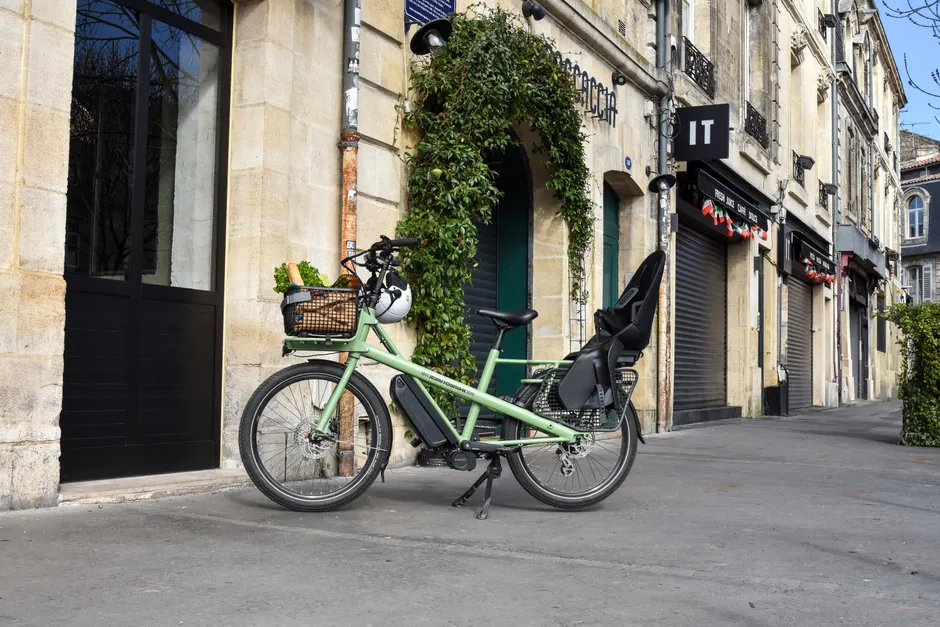
Lemmo brands the machine as the APV Purpose Vehicle and describes it on its official site as the world's first full-suspension cargo e-bike. Full suspension means shock absorption at the front and rear. The same materials describe the semi-solid-state battery as ultra-safe and puncture-proof Lemmo. Distribution is not yet open. A teaser page on Kickstarter lists the bike as "launching soon" for the EU, UK, US and Canada.
The broader context here is why cargo format, full suspension, and a new cell type arrived together. Cargo frames live a hard life. Added mass, longer wheelbases, and variable loads punish wheels, brakes, and riders. Suspension helps with control and comfort, especially under load on broken urban pavement. It also adds weight, pivots, and maintenance. Pairing it with a lighter, higher-capacity pack is a logical way to offset that penalty, at least on paper.
In my view, the claims to watch are lifespan and safety rather than range alone. A 960Wh rating and a 180km maximum describe best-case distance. Cycle life and tolerance to abuse describe cost per kilometer and storage risk for families and fleet operators. If a semi-solid-state cell delivers a genuine 30 percent improvement in longevity in a removable, user-handled pack, that matters more over three years of daily charging than a single long-ride figure. Independent teardown and cycle testing will carry more weight than launch specifications.
Looking at what this means for use, the 1000W AC capability is the most concrete change in behavior. A cargo e-bike that can also run tools, lighting, or appliances at a stop extends the vehicle into backup power and worksite roles. At 39kg complete, this is not a bike to carry upstairs. It is a small electric vehicle that lives at ground level, where a 5kg pack that can be swapped or carried inside separately is easier to manage than an integrated frame battery.
Worth flagging as an open question is commercial execution. A Kickstarter teaser across four regions signals intent to test demand before committing to volume and service. Cargo buyers depend on parts, dealer support, and battery availability over years. The technology story is interesting on its own. Long-term support will decide whether it becomes practical transport.