Rivian Spinout Also Admits Mistakes in Delayed TM-B E-Bike Launch
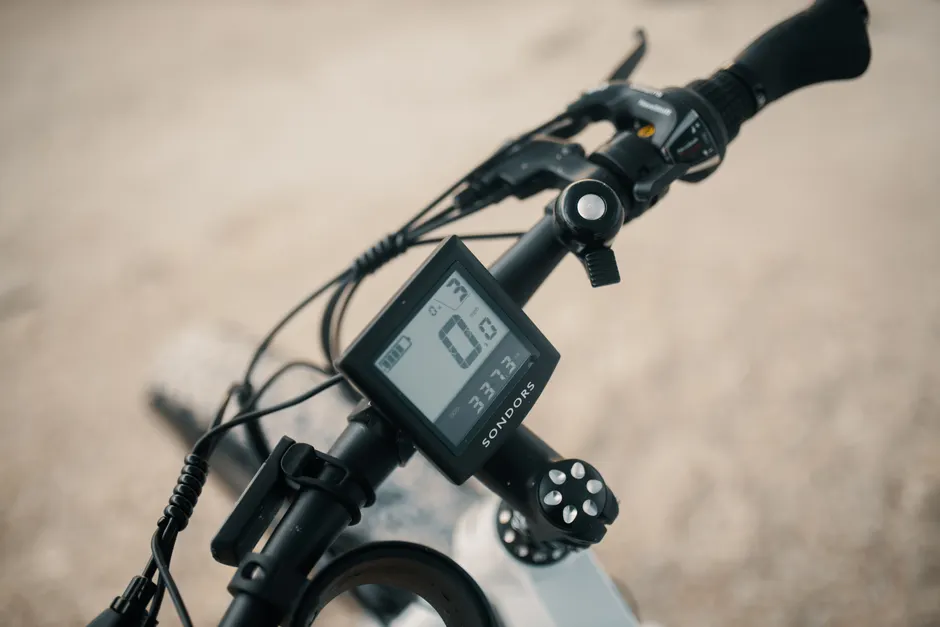
Also, the micromobility startup spun out of Rivian in 2025, has acknowledged that it made mistakes in the delayed launch of its first product, the TM-B premium e-bike. In a report published November 3, 2026, TechCrunch said supply chain problems forced the company to delay deliveries repeatedly. Its leadership now regards its silence on delivery timing during much of 2026 as an error.
The TM-B is priced at $4,500, according to InsideEVs, which reported the pricing in October 2025. On July 31, 2026, TechCrunch reported that Also was set to begin delivering its first e-bikes to customers the following week, after months of slipping dates. In the interim, the company had given customers little detail on timing. That communication gap is what the company now concedes.
The company also has a second, separate thread in its 2026 history. Earlier this year, Also started and then abandoned an electric two-wheeler pilot in Kenya, shifting resources toward its consumer e-bike and autonomous vehicle work. The pilot received grant funding from the Shell Foundation, an independent charity established by Shell plc. A Shell Foundation webpage, since removed, described the project's aim as enabling and de-risking global OEM (original equipment manufacturer, meaning a company that builds products under its own brand) entry into Africa's EV market. The stated plan was to pilot a locally integrated electric two-wheeler platform in Kenya, with potential to scale across East Africa. The foundation told TechCrunch that the project was meant to generate evidence on driver income uplift, operational performance and commercial viability.
Under the plan, Also was expected to work on modular battery designs (battery packs built from interchangeable units) and distributed EV charging. It was also to develop a purpose-built electric motorcycle for African riders. In a September email to TechCrunch, the company said it had explored the project with an unnamed partner but chose to focus on its core roadmap after completing only some early-stage work. Also said the Shell Foundation grant will follow the Kenya project and support its ongoing development.
Co-founder and president Chris Yu discussed the decision in an interview at TechCrunch Disrupt. He said Also piloted the Kenya project but chose to concentrate near-term attention on autonomy, citing the urgency and pace of that field. The company is developing small autonomous vehicles as part of a partnership with DoorDash.
Yu's earlier description of the product strategy, given to Forbes in October 2025, framed the e-bike as more than a conventional bicycle. He said he did not want to create just another electric bicycle, but a vehicle that felt like riding an EV. Because the brand is built on that promise, the TM-B's delivery record is its first real test, since buyers must receive the product before they can judge the experience.
In my view, the most instructive part of this story for hardware teams is the communication sequence rather than the component supply chain. Supply disruptions are a common cause of slipped ship dates in consumer hardware, and a company can recover from them. Customers who have paid for a product and received no firm timing, however, tend to fill the silence with their own assumptions. That is the cost Also's leadership is now naming.
The broader context here is a company running two capital-intensive programs at once, consumer hardware and autonomy, after dropping a third pilot to free up engineering and management attention. Its near-term weight now sits on autonomy. The TM-B is the product now in customers' hands or about to be, and the company has conceded that its handling of the delay was a mistake.