Addis Ababa Blasts: Why Explosions in the Capital Matter
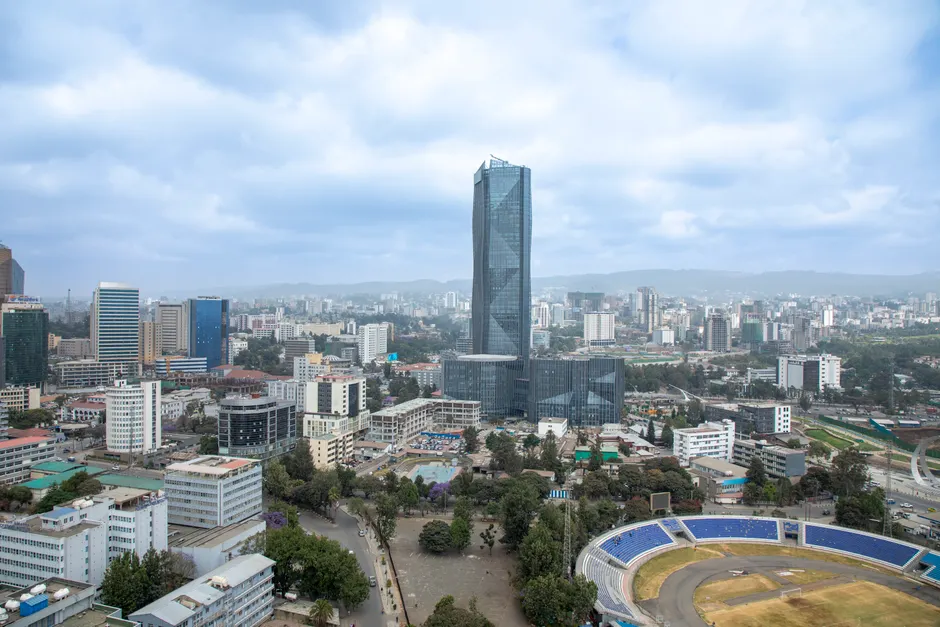
Explosions were heard overnight in Addis Ababa, Ethiopia's capital. BBC
Reports placed the blasts near the military headquarters in the west of the city and in the south. A resident of the Gotera neighbourhood said they heard an explosion at about 00:30 local time, or 21:30 GMT.
Hours earlier, drone flights over the capital had been banned. Ethiopia's National Intelligence and Security Service put the ban in place for Addis Ababa and surrounding areas on Wednesday, for an indefinite period. Reuters
A source linked to opposition fighters told Reuters the opposition was behind what the source described as drone strikes on Addis Ababa.
That claim follows fighting that started in northern Ethiopia a week earlier, between the army and a newly formed alliance of armed groups that includes forces from the Tigray region. BBC
The alliance was announced in September 2026. Seven armed groups joined together against the government of Prime Minister Abiy Ahmed, according to reports from that month. Reuters
The bloc includes the Tigray People's Liberation Front (TPLF), a political and armed movement from Tigray, and Fano, an Amhara militia network. The two were foes during the Tigray war and now sit in the same alliance. In late September, as fears of a new civil war grew, Ethiopia's army promised restraint. Al Jazeera
The broader context here is a conflict playing out on two fronts at once. One is physical and in the north, where the army faces a combined force. The other is political, in the capital, where even unconfirmed blasts can change how governments and aid groups judge risk. The order of events matters. Ban, then blasts. Alliance, then northern fighting, then capital explosions.
In my view, the makeup of the alliance needs close attention. The TPLF and Fano bring different supporters and separate command chains, like two separate teams agreeing to play on the same side. That breadth can put more pressure on Addis Ababa. It can also make coordination and messaging harder. A claimed long-range strike on the capital, if confirmed, would act both as a tactical signal and a test of how united the bloc really is.
Looking ahead to the next phase, verification is the main task. Exact locations, damage, method and responsibility are still thinly documented in public. Official statements, damage checks, and how long the flight ban lasts and how it is enforced will shape whether planners now treat the capital as an active front. For governments, analysts and humanitarian workers, the question is no longer only how the northern fighting develops, but whether Addis Ababa must be part of emergency planning.


