Neurable One Brings Brain Tracking In-House at $499

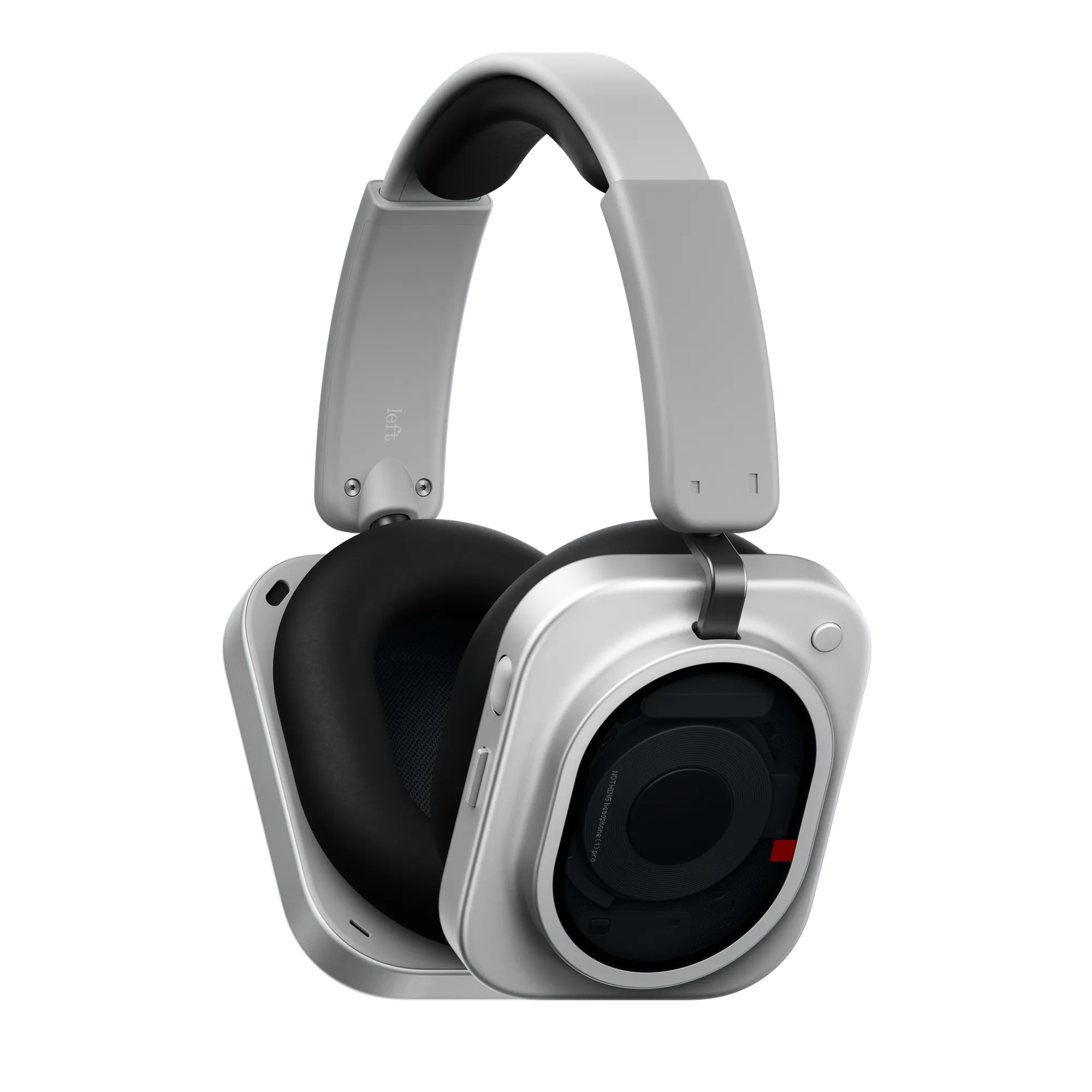
Neurable has launched the Neurable One, its newest EEG brain-scanning headphones, built without help from Master & Dynamic. The device is the company's third pair of premium headphones and is available to buy at $499. Engadget
That solo launch follows two earlier collaborations. In 2024, Neurable partnered with Master & Dynamic to release the MW75 Neuro headphones, which use EEG (sensors that pick up small electrical signals from the brain) to help wearers understand how their minds work. The full product name was the MW75 Neuro Smart EEG Active Noise Cancelling Wireless Headphones, with BCI-enabled EEG sensors (brain-computer interface sensors that read brain activity) built into the ear pads. Master & Dynamic
Neurable and Master & Dynamic later released the Neuro LT, a lighter model made after users said the first pair felt heavy. Neurable positioned the LT as a more affordable and more accessible EEG headphone model, using the same brain-sensing technology as the original MW75 Neuro. Neurable A January 2026 report also referred to a MW75S Neuro partnership, described as high-end headphones designed to track focus. Engadget
The Neurable One is designed to monitor brain waves and attention to track focus levels during the workday. It notifies wearers when focus fades and advises taking a break. Beyond a focus score for each session, it reports Alpha Peak Frequency (a brain rhythm measure used as a broader gauge of thinking), along with brain age, speed of mental processing, and effects of sleep on next-day function.
On hardware, the One uses 40mm beryllium drivers for audio playback and six microphones for ANC (active noise cancelling, which lowers background noise) and ambient passthrough (which lets outside sound in). Battery life is rated at 22 hours per charge, or 12 hours with EEG active. Continuous brain sensing uses more power, so use time depends on whether EEG is switched on.
The system uses EEG sensors and signal processing to scan and analyze brain activity. TechCrunch Neurable is a Boston-based startup spun out of the University of Michigan's Innovation Partnerships accelerator. It began in 2011 developing AI to improve the signal-to-noise ratio of brain data, meaning the useful brain signal compared with background interference. Dr. Ramses Alcaide is CEO and co-founder. That product line is a change from 2016, when Neurable said it had no intention to build its own hardware and would use readily available EEG devices after raising $2 million to build brain-controlled software. TechCrunch
By September 2024, Neurable had said it launched what it described as the first smart brain-computer interface-enabled headphones for the consumer market. Business Wire As of October 2024, the company planned to launch its debut brain-targeting device in the U.S. shortly. It also planned to make its headphones available in Europe and the UK in 2025, priced at 729 euros in Europe and 629 pounds in the UK. A separate effort with HyperX on a brain-sensing gaming headset aims to offer 'prevention of tilt' and 'good practice, not crap practice'.
The broader context here is one I have seen across several hardware cycles. A startup proves its sensing in a partner's hardware, trims weight and cost in a second version, then takes direct control to bring sensors, algorithms and user experience closer together. In my view, that is a healthy progression. It suggests Neurable now has enough confidence in its EEG signal pipeline and dry-contact fit to handle industrial design and sound tuning on its own.
For anyone thinking of testing it, the practical point is straightforward. Alpha Peak Frequency, brain age and next-day sleep effects depend heavily on consistent wear, clean contact and baseline calibration. Short demos will not tell you much. The value, if it holds, will show in weeks of workday data linked to tasks and rest. Over time, tools that make attention visible without a lab could help people plan focused work. The One gives knowledge workers a direct way to try that.