The Supreme Court's Three Immigration Rulings: What They Settle and What They Open
On June 25, 2026, the Supreme Court issued three immigration opinions that collectively touch nearly every layer of the U.S. immigration system: temporary protection for nationals fleeing crisis, physical barriers to asylum seekers at the border, and legal rights for green card holders returning to the country. None settles the broader policy debate, but together they establish doctrine that will guide enforcement for years.
TPS Terminations: Mullin v. Doe
In Mullin v. Doe (No. 25-1083), the Court addressed lower-court injunctions blocking the termination of Temporary Protected Status for nationals of Syria and Haiti. TPS is a statutory program, created by Congress in 1990, that provides work authorization and deportation relief to nationals of countries facing armed conflict, natural disaster, or similar crises. Haiti's TPS was set to expire on February 3, 2026, before lower courts intervened to prevent that termination.
The case hinges on a tension between executive power and judicial oversight. While the Secretary of Homeland Security initiates TPS designations, the statute itself creates room for courts to examine whether a rescission follows proper procedures and rests on lawful grounds. The Court's decision will determine how long lower-court blocks of immigration terminations can hold in place.
Border Turnbacks: Case No. 25-5
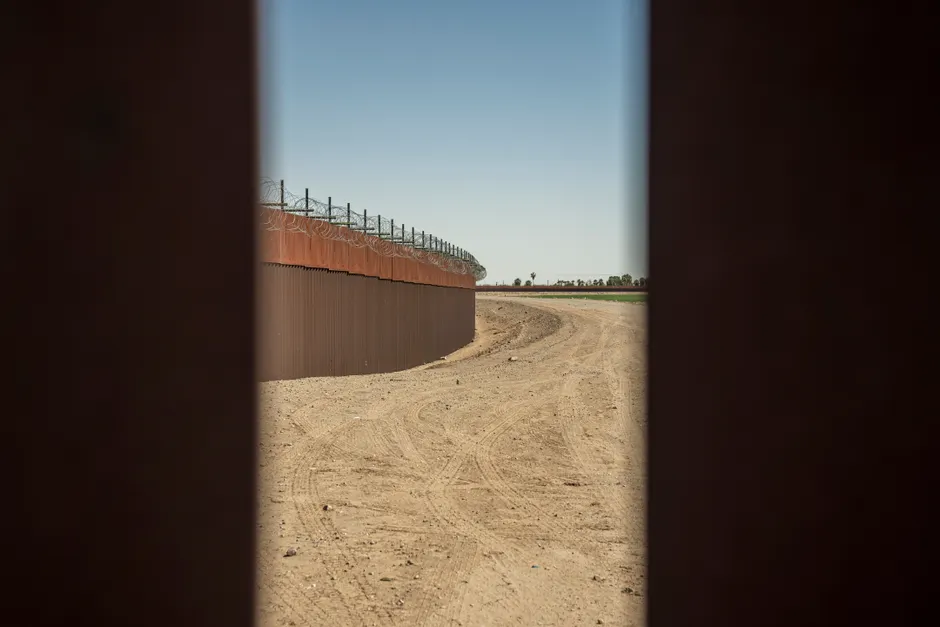
The second ruling concerns a Customs and Border Protection practice under which agents physically prevented noncitizens from reaching the actual boundary where they could request asylum. This policy, deployed across the U.S.-Mexico border starting in June 2018, differs fundamentally from the usual approach of processing asylum applicants through official ports. Instead, it blocked access to those ports entirely.
The legal question is whether that physical interdiction aligns with the asylum provisions of the Immigration and Nationality Act, which grant a right to seek protection to anyone "physically present in the United States or who arrives in the United States." The government has long maintained that it retains discretion over who can access ports of entry. But the statute requires officials to refer anyone who "indicates an intention to apply for asylum" to the proper procedure. The Court's reasoning on that clash will shape asylum litigation going forward.
Green Card Holders: Case No. 25-429
The third ruling addresses a technical but consequential point about lawful permanent residents—green card holders—returning to the United States after travel abroad. Federal law states that returning LPRs are presumptively entitled to readmission unless one of six specific exceptions applies. The dispute concerns whether DHS can reclassify a returning resident as a "seeking admission," a label that strips away the procedural protections residents normally receive.
The practical impact is tangible. As documented in an amicus brief filed by the Asian American Legal Defense and Education Fund, DHS has routinely confiscated green cards from LPRs deemed to be seeking admission, leaving them without physical proof of their status at the moment when that very status is under challenge. The case tests whether that reclassification—and the consequences that follow—complies with the statute and due process.
The Significance of Simultaneity
Three immigration opinions on a single day is unremarkable for a Court near the end of its term. What is notable here is their coverage: undocumented arrivals, TPS beneficiaries, and green card holders represent the full spectrum of immigration enforcement priorities that have dominated litigation since 2017. Each ruling stands on its own legal ground, yet together they establish a coherent body of doctrine.
The outcomes in Mullin and the turnback case carry immediate operational weight. If the lower-court injunctions in Mullin are overturned, tens of thousands of TPS holders will face removal proceedings. If the turnback policy is upheld, CBP's authority to prevent physical access to asylum procedures receives judicial blessing. The Court's full reasoning is not yet in public summary, but the alignment of these cases across the immigration landscape means that June 25, 2026 closes a period of legal uncertainty and establishes the rules that enforcement will follow.


