King Charles III Has Paid Over £30 Million in Tax Since Becoming Monarch
King Charles III Has Paid Over £30 Million in Tax Since Becoming Monarch
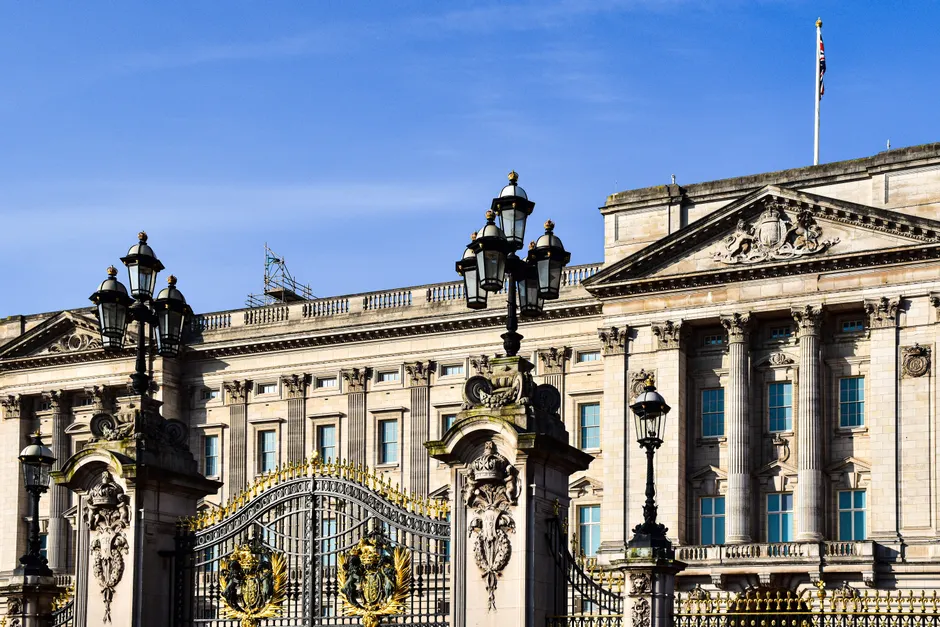
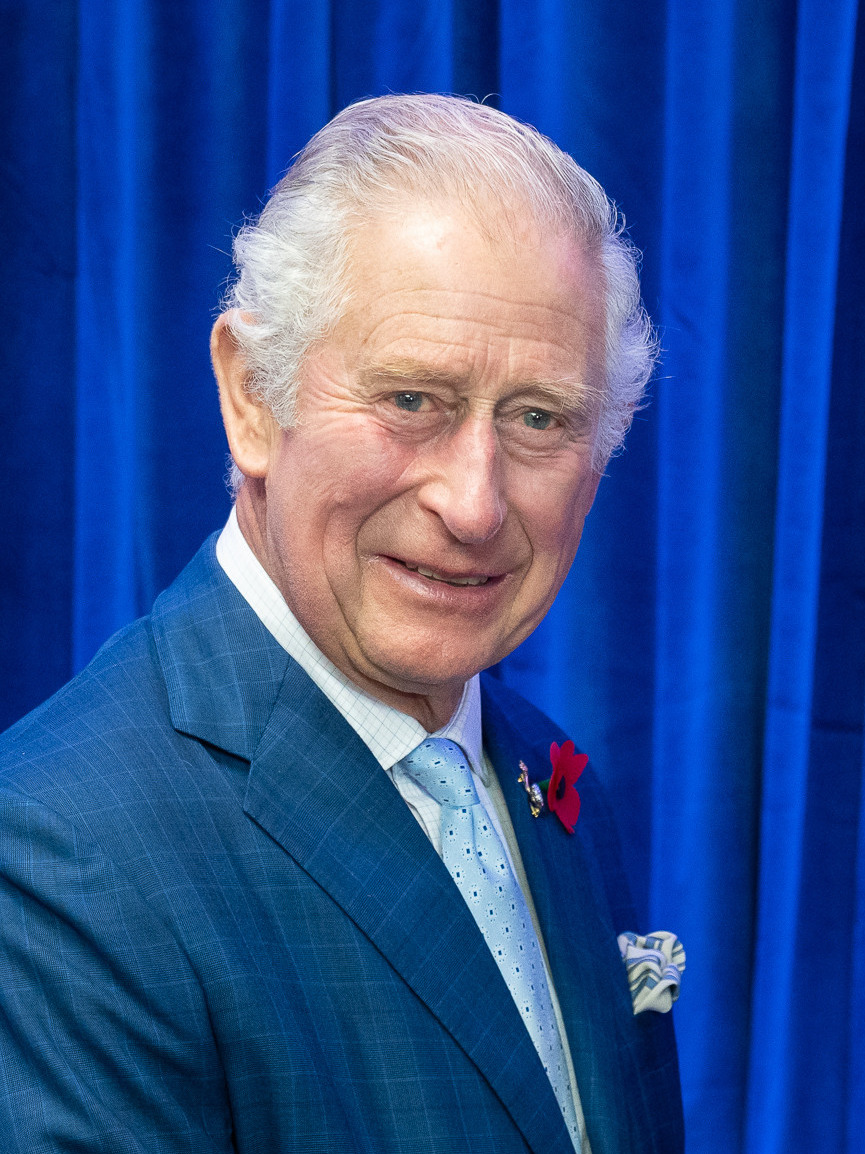
Buckingham Palace confirmed on 26 June 2026 that King Charles III's total tax liability since his accession exceeds £30 million. The figure covers the period from September 2022, when Charles became King following the death of Queen Elizabeth II. The Palace disclosed this via its financial reports page, though it does not break down the tax by year or type.
This disclosure matters because it raises questions about how the monarchy is taxed—specifically, the voluntary nature of the arrangement that has governed royal taxation since 1993. That year, John Major's government reached an agreement with Buckingham Palace: the Monarch and the Prince of Wales would voluntarily pay income tax and capital gains tax. Before 1993, the reigning sovereign was exempt from taxation entirely. That changed after the Windsor Castle fire in 1992, when public scrutiny of royal finances intensified. The agreement is not law; it rests instead on a Memorandum of Understanding with HM Revenue & Customs, meaning a future government could, technically, alter or rescind it—though in practice, successive administrations have treated it as settled policy.
Chuck in the context of the Sovereign Grant: an annual payment from the Treasury to the Palace that reached £86.3 million for 2024–25, unchanged from the previous year. The grant is calculated as a percentage of Crown Estate profits—revenues from land, property, and resources owned by the Crown, including major offshore wind leasing deals. The government has capped the percentage at 12% of those profits and signaled a commitment to review the arrangement, which has kept the headline figure stable even as Crown Estate revenues have climbed.
The Palace's framing places the £30 million tax payment alongside the £86.3 million grant in a way that suggests the net cost of the monarchy is lower than it appears. This arithmetic carries obvious political weight during a period when public scrutiny of institutional spending has sharpened. But the comparison requires care: the Sovereign Grant funds official expenditure—property upkeep, royal travel, staff—while the tax payments come from the King's personal income, chiefly from the Duchy of Lancaster.
The Duchy of Lancaster is a private estate held in trust for the reigning monarch, separate from the Crown Estate, and it generated around £24 million in revenue for the year ending March 2024. The Duchy is exempt from corporation tax on its surplus, but under the voluntary framework, the Sovereign pays income tax on its net surplus at the standard rate. The mechanics are intricate, but the effect tracks closely: if the Duchy earns more, the King's income tax bill rises.
What the Palace has not disclosed is the effective tax rate—what percentage of income actually goes to tax—or any year-on-year breakdown. The Memorandum of Understanding also carves out a specific exemption for inheritance tax: assets passing from one Sovereign to the next are exempt from the 40% charge that applies to other large estates. This exemption allowed the vast bulk of Elizabeth II's estate to pass to Charles tax-free, an arrangement that remains in place.
The broader context here is that the £30 million figure, while substantial, does not tell the full story of how royal taxation works or whether the current arrangements reflect what public opinion might expect. The Palace has released a concrete number—a benchmark against which future disclosures can be measured. That represents a shift toward transparency. But the number stands alongside significant exemptions and a voluntary framework that lacks statutory force, raising questions about the sustainability and fairness of the current arrangement that persist even as the King has now documented his tax contributions.