King Charles Honors Idris Elba, Ice Dancing Legends at Windsor Castle

King Charles Honors Idris Elba, Ice Dancing Legends at Windsor Castle
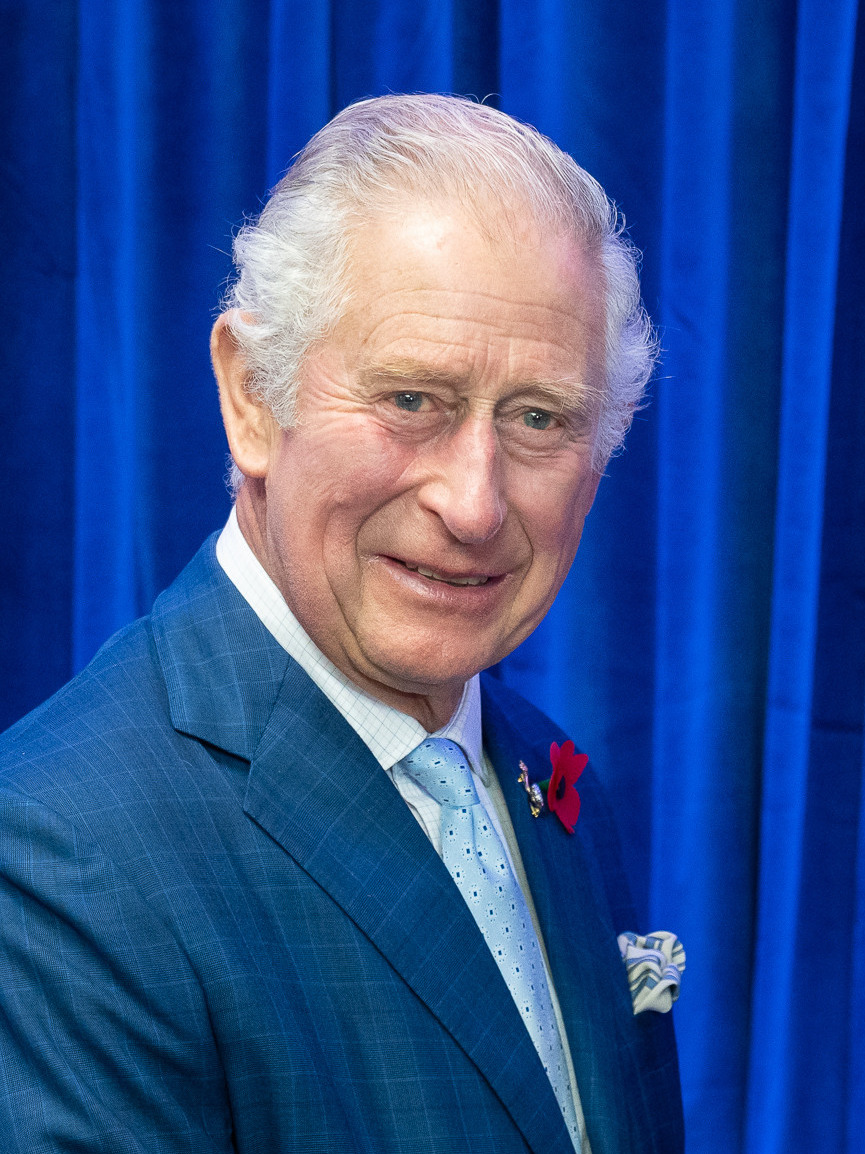
Actor Idris Elba received a knighthood from King Charles III at Windsor Castle on June 2, 2026. The honor recognizes his work in drama and charitable causes. At the same ceremony, Olympic ice dancers Jayne Torvill and Christopher Dean became a Dame Commander and Knight Bachelor respectively, acknowledging their contributions to ice skating and community service.
These investiture ceremonies—formal occasions where honors are presented—continue a long British tradition of recognizing excellence across entertainment, sports, and public service. BBC News reported that Elba attended with his wife, Sabrina Dhowre Elba.
A Broad Recognition Pattern
The knighthoods are part of King Charles III's 2026 New Year's honors list, which recognized achievement across different ages and fields. AP News noted that the list included both Elba and actress Cynthia Erivo, reflecting significant recognition for actors with international careers who remain connected to British culture.
The list spanned generations—even including a 102-year-old judo instructor. This range suggests the palace wanted to mix traditional recognition of establishment figures with recognition of contemporary cultural figures and grassroots community work.
Why Elba's Timing Matters
Here's where the broader context becomes interesting: Elba's knighthood arrives as the British entertainment industry faces questions about its global standing and cultural influence abroad. His career path—from British television to Hollywood films to production and directing—shows the kind of international success story that the monarchy increasingly associates with British cultural achievement.
The entertainment industry landscape has also shifted. Streaming platforms now offer new routes to international fame outside traditional TV and theater. Elba's work spans older formats and newer digital-first projects, making him a bridge figure between different eras of entertainment.
Torvill and Dean: From Athletes to Ambassadors
The recognition of Jayne Torvill and Christopher Dean carries different weight. Their honors formalize their shift from competitive athletes—they won Olympic gold in ice dancing in 1984—to cultural ambassadors. They've spent decades doing volunteer work since that triumph.
Ice dancing sits in an unusual position in British sports. It wins international success but remains a niche sport at home, requiring sustained institutional support to keep programs competitive. The honors recognize not just past achievement, but their ongoing coaching and development work—work that has produced new generations of British competitors.
This timing connects to broader questions about how Britain funds Olympic sports and what role retired champions play in building future competitors. Torvill and Dean's volunteer-based model offers one answer, especially as Britain looks ahead to upcoming Olympic cycles.
The Venue and the Message
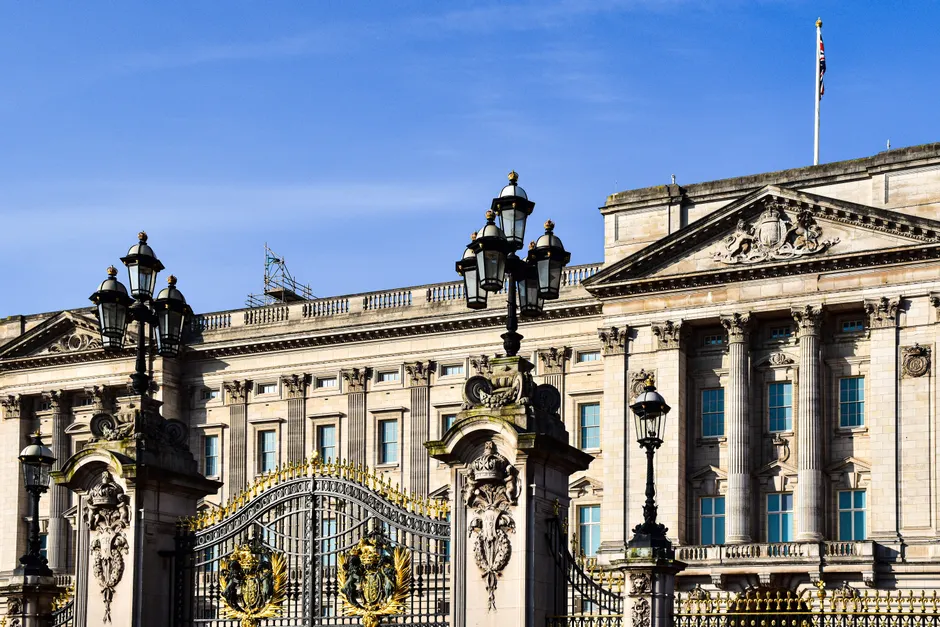
Notice that the ceremony took place at Windsor Castle rather than Buckingham Palace. This choice signals a more intimate scale of honors presentation under Charles III. Buckingham Palace is currently undergoing renovations, but the choice of Windsor also reflects a deliberate preference for a more personal setting.
The presence of spouses at the ceremony—particularly Sabrina Dhowre Elba—indicates something about how the palace now views public service recognition. It acknowledges that modern public figures' charitable and cultural work often involves their families, especially in international contexts where both personal and professional relationships matter.
The Bigger Picture for the Honors System
These ceremonies show how King Charles III is trying to balance longtime traditions with contemporary relevance. The entertainment industry recognition does multiple things at once: it celebrates cultural achievement, projects British cultural influence globally, and helps keep the honors system credible with younger people who might be skeptical of traditional establishment recognition.
This balance isn't new. Elizabeth II knighted Paul McCartney in 1997, facing similar questions about pop culture and traditional honors. The key difference now is that British talent increasingly builds careers across multiple countries and platforms rather than primarily in Britain. The palace also appears to have learned from past controversies, developing more careful criteria for celebrity recognition that emphasize charitable work and cultural diplomacy alongside commercial success.
What Comes Next
These ceremonies set a pattern for how the monarchy will recognize achievement in an age of platform-driven fame and global entertainment production. The mix of entertainment figures and community service recipients suggests a deliberate effort to keep the honors system credible across different groups and age ranges.
The international dimension of Elba's career—spanning British, American, and African projects—positions his knighthood as part of Britain's broader effort to maintain cultural relevance in an entertainment world with multiple competing centers. Other constitutional monarchies facing similar modernization questions will likely watch how these honors evolve.
An Era of Precedent-Setting
We may be seeing precedents that shape future recognition frameworks. If the palace continues to balance entertainment figures with community service recipients, it suggests an intentional strategy. These patterns will likely be studied by other constitutional monarchies working through their own questions about updating recognition systems while preserving tradition and institutional authority.