How an Afghan University in Qatar Keeps 1,000 Students Learning Online
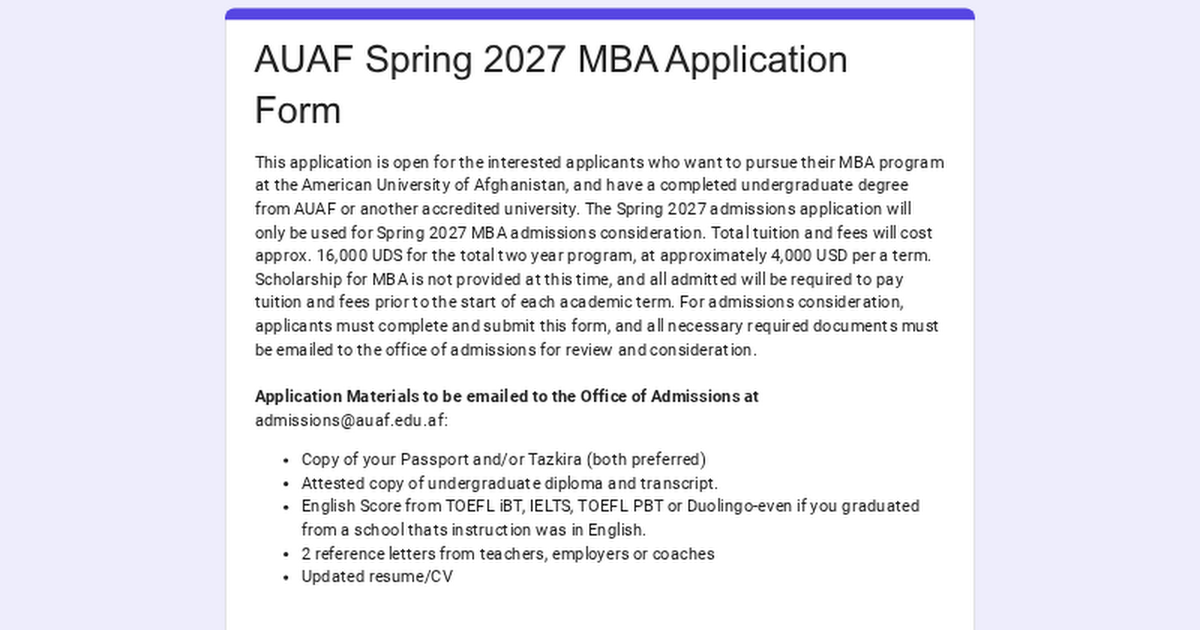
The American University of Afghanistan now teaches more than 1,000 Afghan students through online classes based in Qatar, with U.S. funding open to both men and women.
The Qatar base was reported in March 2025 The New York Times. A U.S. Department of State planning document describes U.S. funding for Afghan men and women in the university's distance learning program U.S. Department of State. The model is called extraterritorial delivery. Think of it like keeping enrollment at home while attending class by laptop from another country. Students stay enrolled in an Afghan institution while living outside Afghanistan.
The university reports more than 1,000 enrolled students, and 75% are women American University of Afghanistan. Enrollment is coeducational with a female majority, and all teaching is remote.
Afghanistan is the only country that officially bars girls from education above sixth grade American University of Afghanistan. Primary schooling is still formally permitted. Secondary and university study are not. For the cohorts affected by that rule, online provision from outside the country is the only formal channel to continue.
Dependence on Washington funding goes back years. In December 2019, the university was reported to face possible closure the next year if federal funding was cut WRAL. That warning came more than five years before the current Qatar-based online arrangement.
The broader context here is the difficult trade-off for exile universities. Relocation preserves classes and protects students and faculty. It also shifts operating risk to donors and hosts, because tuition from displaced students cannot cover costs and philanthropy rarely sustains a university at scale. State funding fills the gap. That funding is cyclical and follows budget politics in the donor capital rather than the academic calendar.
Looking at what this means for donors, host governments and education groups, three variables will shape durability. The first is funding continuity and its legal form, since grants, cooperative agreements and legislative earmarks behave differently under fiscal stress. The second is host-country status, including basing, visas, degree recognition and freedom to operate, which requires sustained diplomatic maintenance. The third is delivery. Distance learning lowers physical costs but raises questions around connectivity, assessment integrity, faculty retention and labor-market value of remotely earned credentials.
In my view, policymakers should watch the enrollment figure closely. A student body that is three-quarters female alters the diplomatic calculus. Any interruption would fall hardest on women already excluded from secondary and university study at home. It would also test stated commitments to Afghan women and girls against budget decisions. The operational questions are how to preserve this extraterritorial channel without permanent dependence on annual discretionary funding, and how to measure outcomes when graduates cannot readily return home to work.