ChatGPT Gets Virtual Try-On and a Shopping Library
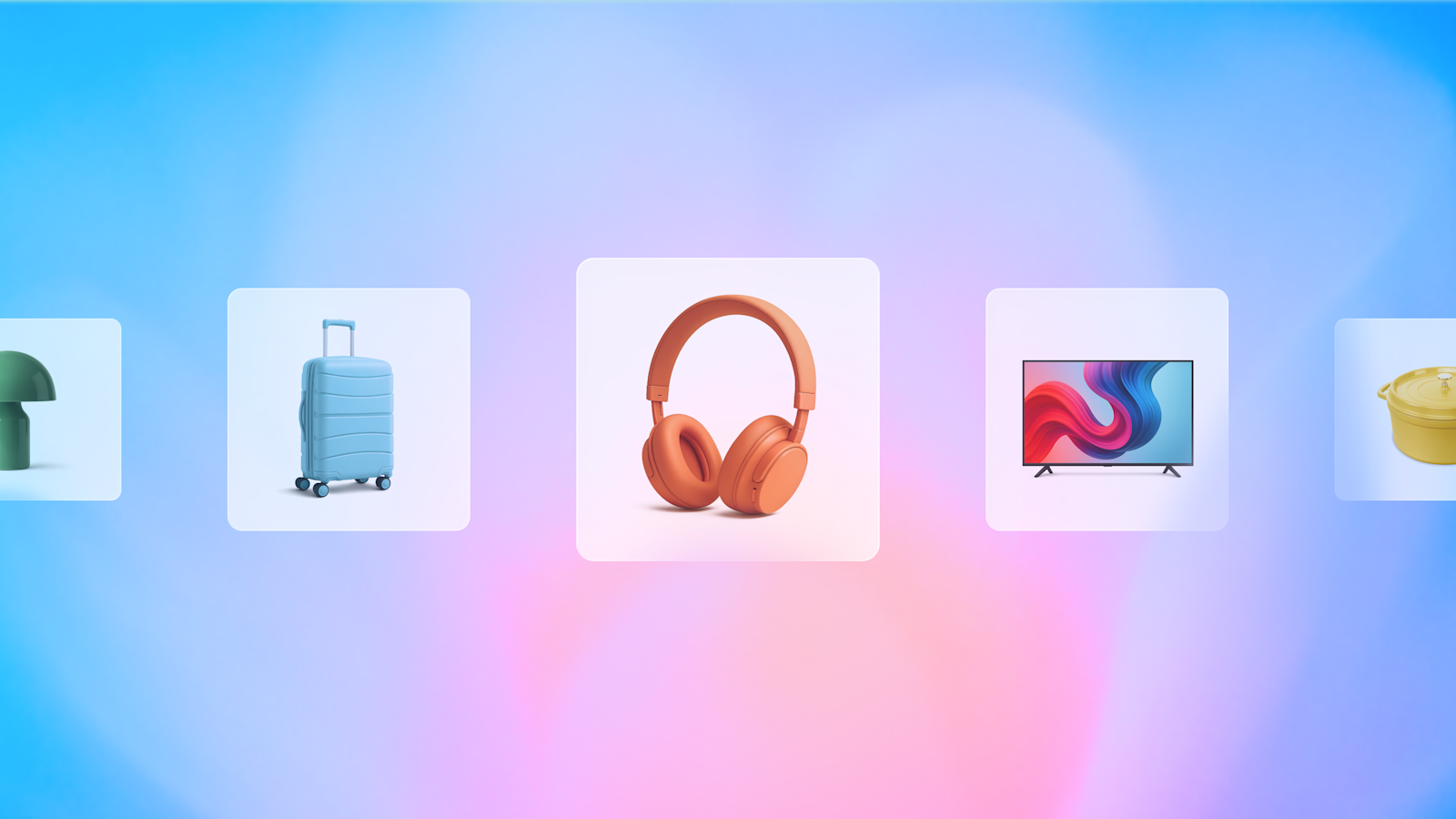
OpenAI has launched virtual try-on and Favorites globally in ChatGPT. The two features add visual previews and saved items to shopping results inside the assistant. TechCrunch
Virtual try-on appears as a Try On button in shopping results. TechCrunch Users upload a selfie or full-body photo to see clothing or accessories on themselves. TechCrunch The interaction is simple. It also works in reverse. Users can upload an image of an item, such as a web screenshot, and ask ChatGPT to try it on. TechCrunch
Favorites adds persistence to that discovery flow. Users can save products they find to a Library in the app for later reference. TechCrunch Those saved items sit alongside try-on images in the Library. TechCrunch The Library collects candidates across sessions, rather than letting them disappear into chat history.
OpenAI said the new features use the ChatGPT Images 2.5 model, the system that generates and edits images. TechCrunch Shopping in ChatGPT runs on the Agentic Commerce Protocol, a shared standard that lets assistants communicate with stores. OpenAI The shopping surface already covers fashion, beauty and home goods. Reuters OpenAI introduced shopping research, a ChatGPT experience that does research to help users find the right products. OpenAI That included a free AI shopping research tool that can generate a personalized buyer's guide. Bloomberg
Retail interest in this interaction is established. Zalando and Zara are using AI virtual try-ons to tackle clothing returns. Bloomberg
The broader context here is commerce infrastructure, and the pairing matters more than either feature alone. Try-on helps with evaluation. Favorites helps with continuity. Conversational shopping has been good at narrowing options but weak at letting people pause, compare and return. A Library with product cards and rendered fits gives the assistant something closer to working memory for a purchase.
In my view, the technical questions to watch are narrow and practical. How faithfully the model preserves garment shape, drape, size and logos when compositing onto user photos with different lighting and poses. How it handles accessories, layered outfits and edge cases like sheer or reflective materials. And how cleanly the image layer connects to structured product data through the agentic protocol, so a good-looking render resolves to a purchasable item rather than a plausible approximation.
For builders, worth flagging is that the input pattern cuts both ways. Selfies and full-body photos are sensitive, close to biometric data. Screenshot-to-try-on lowers friction for discovery off platform. Both raise expectations for consent handling, retention controls and clear separation between images used for a one-time render and images stored in Library. Making saving explicit gets this directionally right.
The optimistic read here is straightforward. If visualization becomes reliable and saved context carries across chats, the chatbot moves from answering shopping questions to hosting more of the decision. That does not remove fit uncertainty or merchant integration work. It does make the assistant a more natural place to start and, with Favorites, a more natural place to come back to.