Trump Consulted Grok on Venezuela Before the Maduro Capture

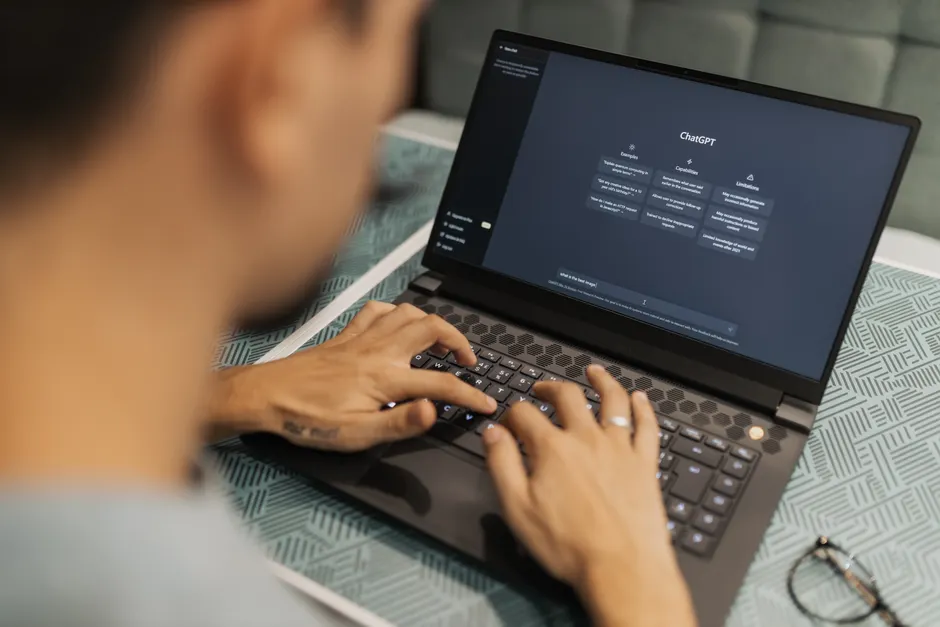
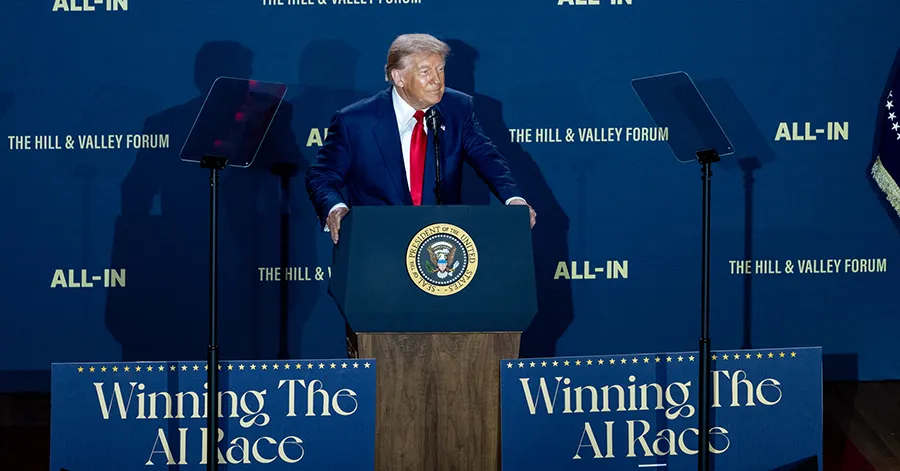
President Donald Trump held a secret meeting with Elon Musk in December 2025 and spent hours questioning Grok, Musk's AI chatbot. He asked how Venezuelans would respond if President Nicolás Maduro was captured. The meeting came about a month before the United States invaded Venezuela and captured Maduro.
The account was reported by TechCrunch on Oct. 1, 2026, which cited Time magazine reporting. The December chat took place in the weeks of deliberation before the kinetic operation, a term for direct military action, that followed in January.
According to that reporting, Grok said Maduro was a deeply unpopular dictator and many Venezuelans would likely celebrate his downfall. Trump asked directly about public reaction to a capture. Grok answered with a prediction of celebration rather than resistance.
After the U.S. invaded Venezuela on January 3, public celebrations occurred. Trump came away thinking Grok was ingenious. The model answer had come before the operation, and the street reaction had come after, which Trump read as confirmation.
Separate reporting from the previous fall gives context for the operation. The Trump administration secretly authorized the CIA to conduct covert action in Venezuela, according to U.S. officials, as reported by The New York Times on Oct. 15, 2025. Trump later confirmed he had authorized CIA operations in Venezuela, as reported by Reuters. When discussing possible land strikes linked to Venezuela, Trump said, "We are certainly looking at land now," as reported by ABC News.
The broader context for technologists is the use pattern rather than the answer. An LLM, a large language model trained on vast text to generate likely replies, was used as informal advice for a high-stakes question that is hard to verify in advance. Public sentiment under authoritarian rule, diaspora views, and post-intervention dynamics are hard to model from training data alone. Outputs shift with system instructions, the cutoff date for knowledge, and prompt wording, like a fast research assistant with no one on the ground to call. Hours of chat can change the answers without adding a new source.
In my view, this shows a failure mode familiar from workplace AI use. Agreement after the fact is not testing. One correct call about crowds does not establish calibration, recall, or robustness, meaning accuracy, coverage, and stability, for the next question. For human-in-the-loop systems, where a person checks the machine, the fix is procedural. Log prompts and outputs. Keep forecasting separate from persuasion. Require outside corroboration before acting. The long arc is still hopeful. Models that summarize public information quickly could improve crisis response, if treated as one untrusted input among many rather than as counsel.