St. Lucie County Orders Removal of 11 Unpermitted Flock Cameras

St. Lucie County, Florida, has ordered removal of 11 Flock license-plate readers found without permits and without identifiable owners.
County leaders believed 52 Flock cameras were deployed under county authorization. A follow-up check found 14 additional, unpermitted cameras in county rights-of-way, the land along roads controlled by the county. Three of the 14 were later claimed by the St. Lucie County Sheriff's Office. Eleven remain unclaimed. Engadget
Officials posted notices at the unclaimed sites ordering owners to remove the units. Until removal, unclaimed cameras will be covered with plastic bags to block further collection. A Washington Post employee who visited one listed location found the camera already gone, with no sign of who removed it.
On Sept. 2, county commissioners voted 3-2 to remove Flock cameras from county rights-of-way. CBS12 Florida's Department of Transportation had banned placement of Flock license-plate readers on state roads by law enforcement. County officials have since decided to end use of Flock cameras and began removing them.
WPEC reported on Sept. 18 that more than a dozen Flock cameras were installed without permits and no one claimed them. On Oct. 1, Ars Technica reporter Ashley Belanger reported that Florida police did not know who owned the 11 unpermitted Flock cameras. County officials said they did not know how data from the unpermitted cameras was being used. More than 100,000 Flock cameras are reportedly in use across the US.
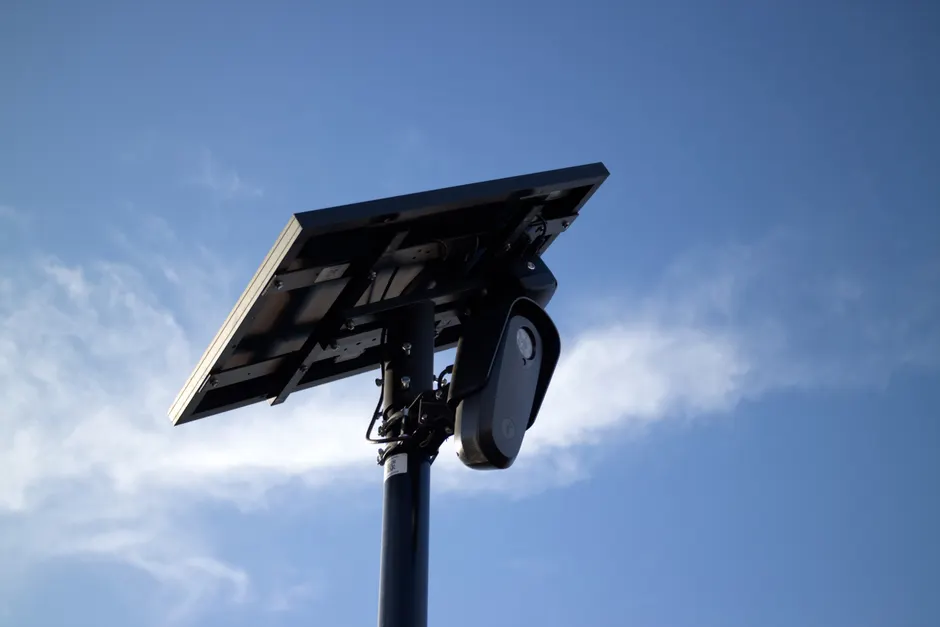
The broader context here is keeping track of small, spread-out sensors. An ALPR node, meaning a camera that automatically reads license plates, is pole-mounted, can run on solar power, and sends readings over cellular to a central account that may belong to another agency, town, homeowners association, or private owner. It can be installed in hours. Without one registry tying permits to map location, installer identity, and system owner, a county can lose track of what is watching its roads. St. Lucie County thought it had 52 cameras. It had at least 66.
In my view, the fix is paperwork more than new technology, and that is encouraging. Permitted systems already create the records needed for accountability: device serial number, account holder, how long data is kept, access logs, and data-sharing rules. Requiring that record in a public permit before a camera is switched on would close much of the gap. Worth flagging for other places is what a cover does not do. A bag stops new collection, but it does not show where earlier readings went, who viewed them, or under what permission. For technology teams used to tracking every laptop and software container, using that same list-keeping for roadside cameras would keep a useful public-safety tool while giving counties a clear answer when asked who owns the camera.