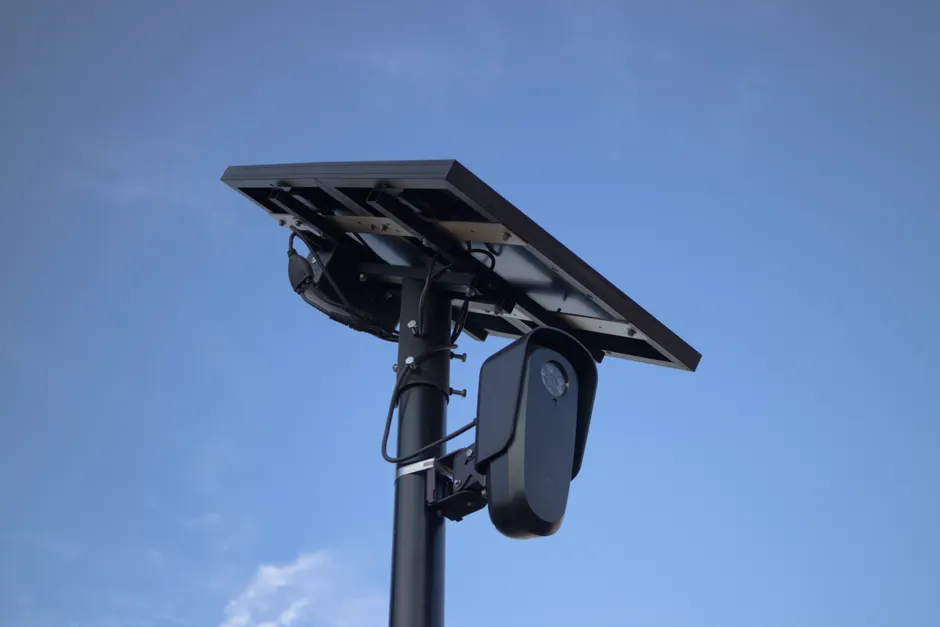
Cities Are Dropping Flock Plate Readers, but the Data May Stay
Local governments from Florida to Washington state are canceling contracts with Flock, the company behind AI-enabled license plate readers, after public outcry, according to reporting published Sept. 14, 2026 The Verge.
Flock was founded in 2017. It sells cameras to local governments, private businesses and private citizens, and has installed more than 120,000 cameras across the US.
The cancellations are widespread, not isolated. Flagstaff, Arizona, Cambridge, Massachusetts, Eugene, Oregon, and Santa Cruz, California are among at least 30 localities that have dropped Flock readers NPR. A later count by the antisurveillance group DeFlock put the number higher, with more than 90 cities moving to cancel or reject Flock automatic license plate readers The Hill. Fort Collins, Colorado is among cities where the government deactivated Flock cameras or canceled its contract CNN.
Two Texas votes in the second week of September show how the process works. The Liberty Hill City Council voted 7-0 to end the city's contract with Flock Safety CBS Austin. The vote came amid concerns about how automated license plate reader data, which is time-stamped plate photos plus location, is captured, stored and shared. Liberty Hill is removing all Flock cameras in the city KVUE. On Sept. 10, the Manvel City Council voted 6-0 to end its contract with Flock Safety and directed staff to send Flock Safety a 30-day cancellation notice Texas Scorecard.
Wisconsin has had some of the sharpest disputes. Lawmakers in Sheboygan voted unanimously to end the city's Flock contract after learning Flock reportedly tried to sell anonymized data collected in Sheboygan back to the city's public works department. The mayor of Stevens Point ended the city's contract with Flock and covered up the 10 cameras scattered through the city. Oshkosh and Verona also voted to cancel Flock surveillance camera contracts The Guardian. Both cities then had difficulty getting Flock to collect the cameras after voting to cancel. In Bridgewater, Virginia, the town council put bags over its Flock cameras after voting to cancel its contract.
Concerns about privacy and federal immigration enforcement are prompting cities to debate whether to keep Flock automatic license plate readers NPR. Flock Safety states it has no contract with ICE and that federal agencies were removed from its national search network in August 2025 Flock Safety. Flock maintains that it does not sell consumer data.
For technology leaders, a separate question is what cancellation actually terminates. Ending a Flock contract does not necessarily mean cameras will come down immediately or collected information will be deleted soon. Flock contracts vary by jurisdiction, but many let Flock retain data long after it is collected.
Saira Hussain is a senior staff attorney at the Electronic Frontier Foundation who has reviewed dozens of municipal Flock contracts. She said "the question of what happens to Flock data after termination and how long it can be searched appears to be unresolved."
That distinction matters because retention and access controls are set at multiple layers. Flock Safety says it deletes license plate data on a 7-day rolling schedule by default Flock Safety. The company says its automatic deletion is verified by annual SOC 2 Type II audits, an independent check on data handling. Customer-configured retention, evidentiary holds, contractual termination provisions, and physical deinstallation timelines can each alter the outcome. A unanimous council vote ends the commercial relationship. It does not by itself wipe cloud storage or dispatch a truck to remove cameras.
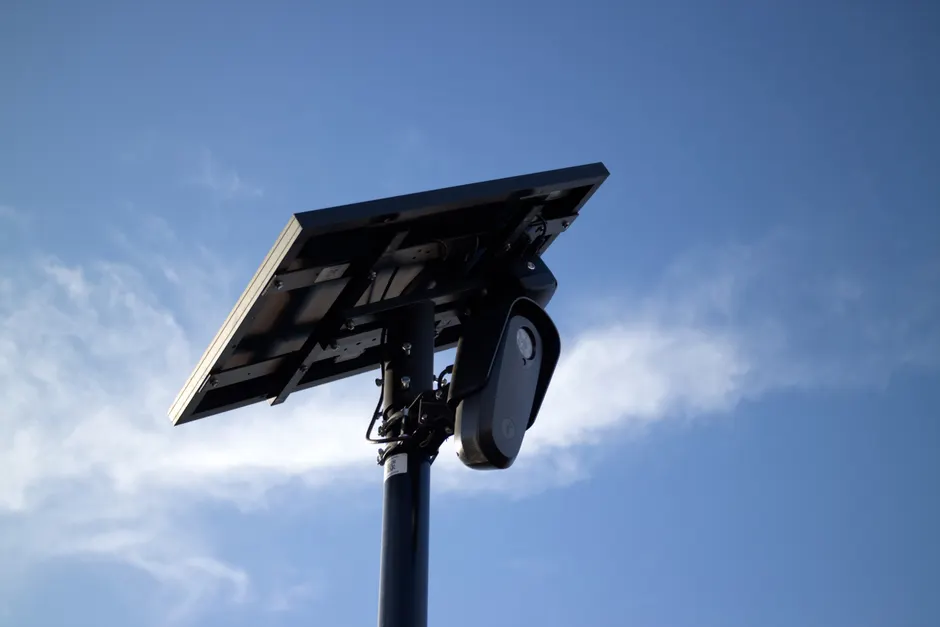
The broader context here is procurement hygiene for networked sensors. These ALPR deployments combine cameras that do early processing on site, cellular links to send images, cloud search, and sharing lists across jurisdictions. When buying moves faster than data rules, cities learn after the fact that removal deadlines, return-of-equipment duties, and post-termination search rights were underspecified. Covered and bagged cameras in Stevens Point and Bridgewater are visible symptoms. The unresolved part is invisible: which historical reads remain queryable, by whom, and for how long.
In my view, the durable lesson is not specific to one vendor. Municipal ALPR is now part of the same lifecycle problem enterprises know from software subscriptions and connected-device fleets. Contract language about deletion, auditability, and deprovisioning deserves the same scrutiny as detection accuracy or uptime. The current wave of cancellations may reduce future collection in those jurisdictions. Whether it reduces historical exposure will depend on termination clauses that, by Hussain's account, remain ambiguous in many of the agreements she reviewed. Worth flagging for any IT organization operating cameras, telematics, or other location-collecting sensors under third-party terms: exit should be tested before entry.