ASSA ABLOY Consolidates Level Lock Under Kwikset as Restructuring Accelerates
ASSA ABLOY Consolidates Level Lock Under Kwikset as Restructuring Accelerates
ASSA ABLOY has laid off staff at Level Lock, the Redwood City smart lock startup it acquired in September 2024, moving the brand's operations into its larger residential hardware division under Kwikset.
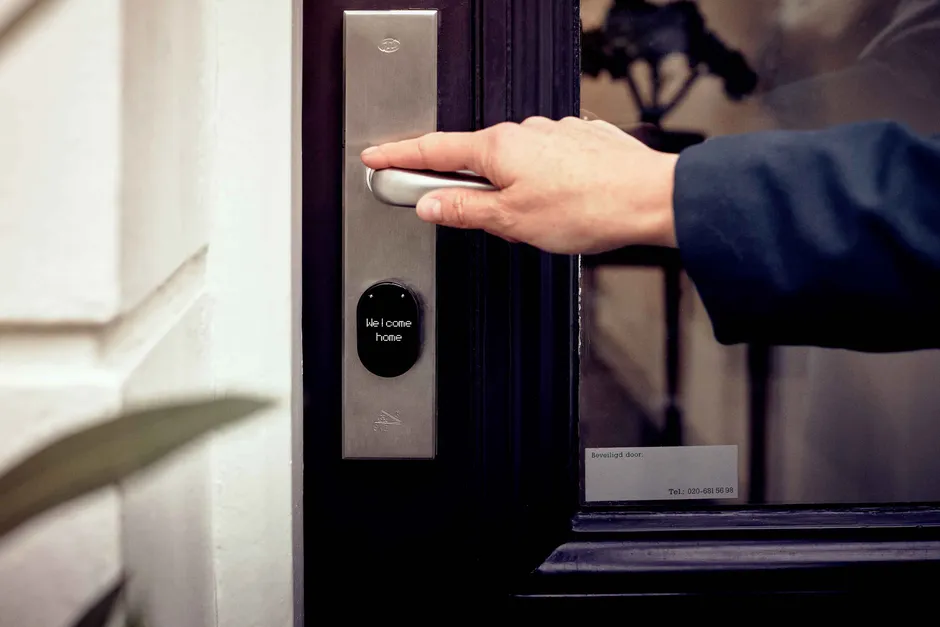
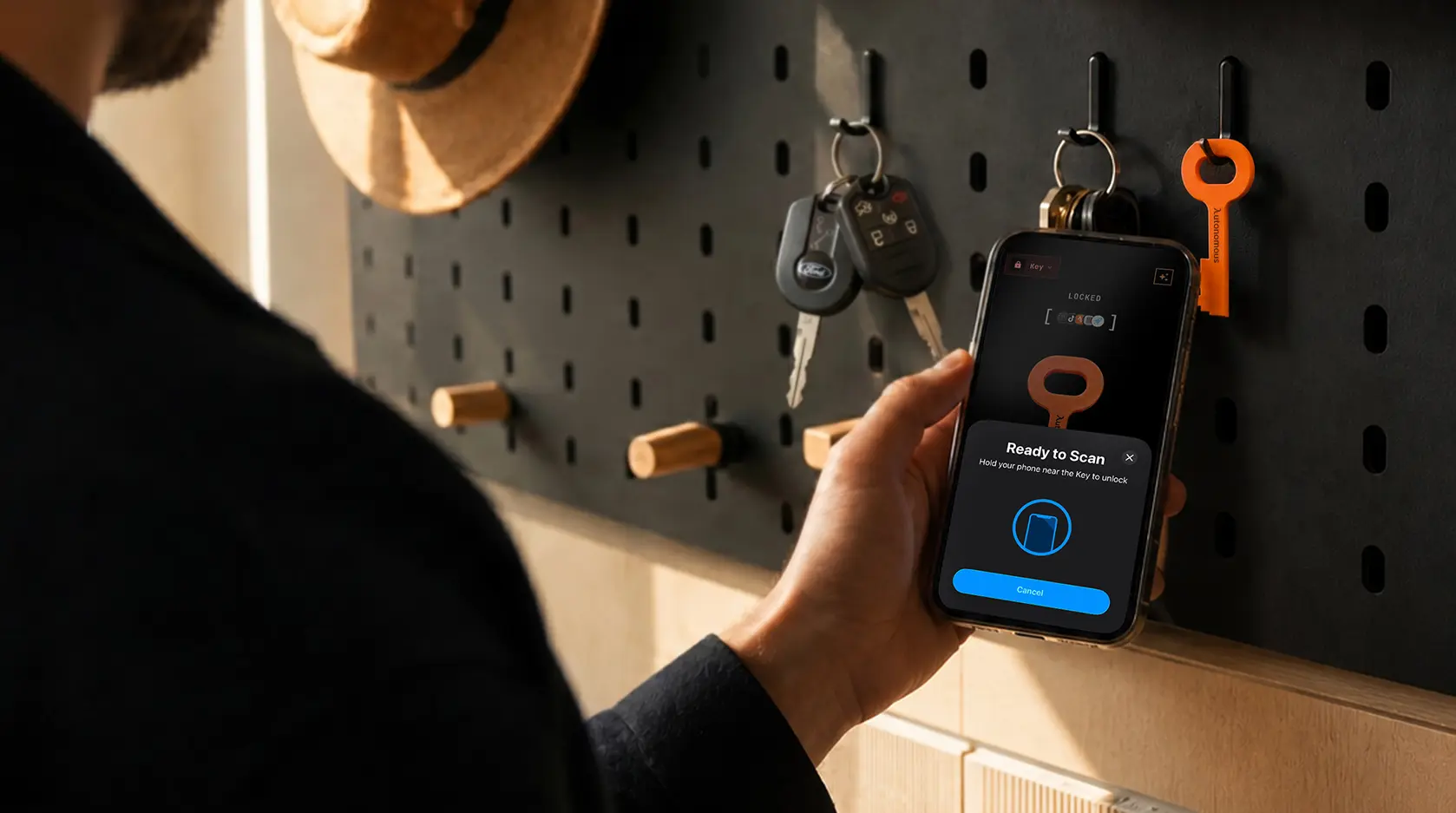
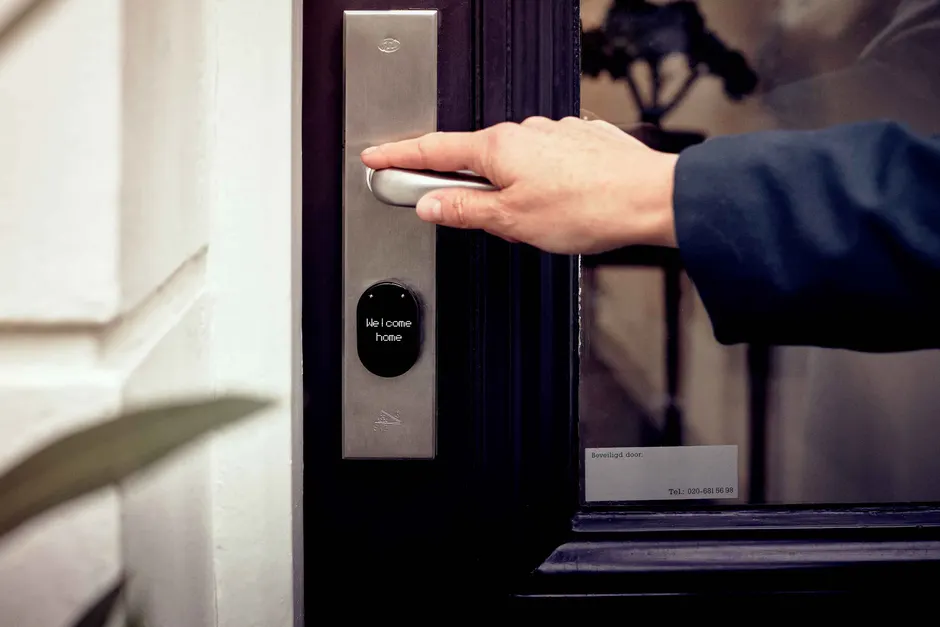
Level Lock built its market position on a single differentiated premise: a deadbolt mechanism that sits entirely inside the door, leaving exterior hardware visually unchanged. The product supports Apple Home Key and Bluetooth, targeting buyers who want keyless entry without the aesthetic impact of a visible smart lock mounted on the outside. That invisible design was the company's core appeal — and the main reason ASSA ABLOY chose to acquire rather than compete against it.
ASSA ABLOY's residential footprint in North America is substantial. Kwikset, owned by ASSA ABLOY Americas Residential Inc., competes in the mainstream segment of the smart lock market alongside Baldwin and Weiser. These brands came to ASSA ABLOY through a definitive agreement to acquire Spectrum Brands' Hardware and Home Improvement division in September 2021, which also brought the Pfister plumbing brand. That acquisition gave ASSA ABLOY strong shelf presence across North American retail and e-commerce — the exact distribution network a hardware-focused startup like Level Lock lacked on its own.
The layoffs fit a broader cost-reduction program ASSA ABLOY is running across the group. The company is executing 10 factory closures, 16 office and warehouse closures, and 27 conversion-to-assembly projects, with a total program cost of SEK 1,284 million and an expected payback period of under two years. By manufacturing-restructuring standards, that payback timeline is aggressive and signals that leadership is prioritizing speed of efficiency gains over a slower integration process.
Moving Level Lock's engineering and cloud infrastructure under the Kwikset organization is consistent with that tempo. Running a separate smart lock product line — with its own app, firmware team, and HomeKit certification process — adds overhead that a parent company chasing a sub-two-year payback has limited tolerance for. What happens to the Level Lock product itself — whether it continues as a distinct product, gets renamed under Kwikset, or is eventually discontinued — remains unclear from public statements, but the headcount cuts suggest the independent operating model is finished.
The timing deserves attention here. ASSA ABLOY closed the Level Lock acquisition in September 2024, meaning the restructuring-to-layoff cycle unfolded in under nine months. For a hardware company integrating a firmware-dependent product with active HomeKit certification and an installed customer base relying on cloud services, that pace is rapid. The risk to existing Level Lock owners is real. If backend infrastructure gets consolidated before a clear migration path exists, devices depending on remote access or firmware updates face genuine exposure.
The pattern has played out before in smart home consolidation over the past several years. Startups with novel hardware technology and a small but engaged user base get acquired for their IP and talent, only to find that their acquirer's operational speed leaves little room for the iterative, customer-facing product work that built that loyalty. Whether ASSA ABLOY can preserve what made Level Lock worth acquiring while capturing the efficiency gains its restructuring demands is the crucial question for the product's future.
For the wider smart home industry, this adds another case for treating platform durability as a key purchase factor. Apple Home Key certification and Thread compatibility are now standard requirements, but whoever maintains that certification and issues firmware updates matters as much as the feature list. ASSA ABLOY has the scale and institutional permanence to honor those obligations — whether the consolidated engineering organization has the focus to act on them is a separate question.