Two Powerful Earthquakes Strike Venezuela: What the Numbers Tell Us About the Damage Ahead
Two major earthquakes — magnitudes 7.2 and 7.5, separated by just 39 seconds — struck Venezuela on Wednesday, collapsing dozens of buildings across Caracas and the coastal city of La Guaira and leaving an unknown number of people trapped in the rubble, AP News reported. The government declared a state of emergency in response.
The larger M7.5 earthquake was centered 28 km southeast of Yumare at a shallow depth of 10.0 km, according to USGS. Shallow earthquakes matter because they release energy close to the surface before it has a chance to disperse — think of the difference between a blast near ground level versus one deep underground. That concentration of force amplifies building damage across a much wider area. USGS modeling estimated that roughly 7.75 million people experienced Strong shaking, about 2.37 million felt Very Strong shaking, 401,000 endured Severe shaking, and 29,000 were exposed to Violent shaking. These exposure numbers typically correlate with casualty patterns, even before rescue workers have completed their counts.
The Damage on the Ground
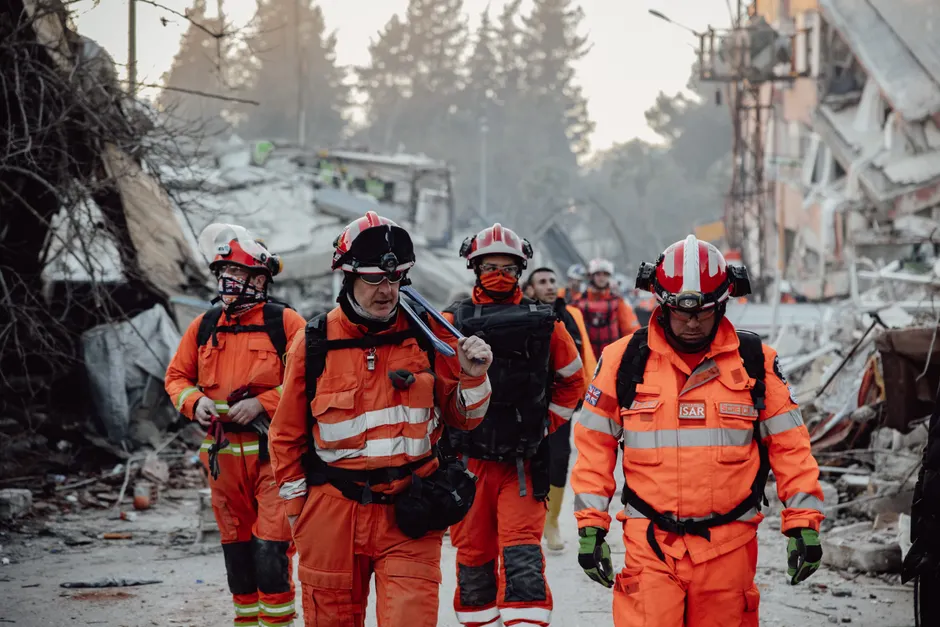
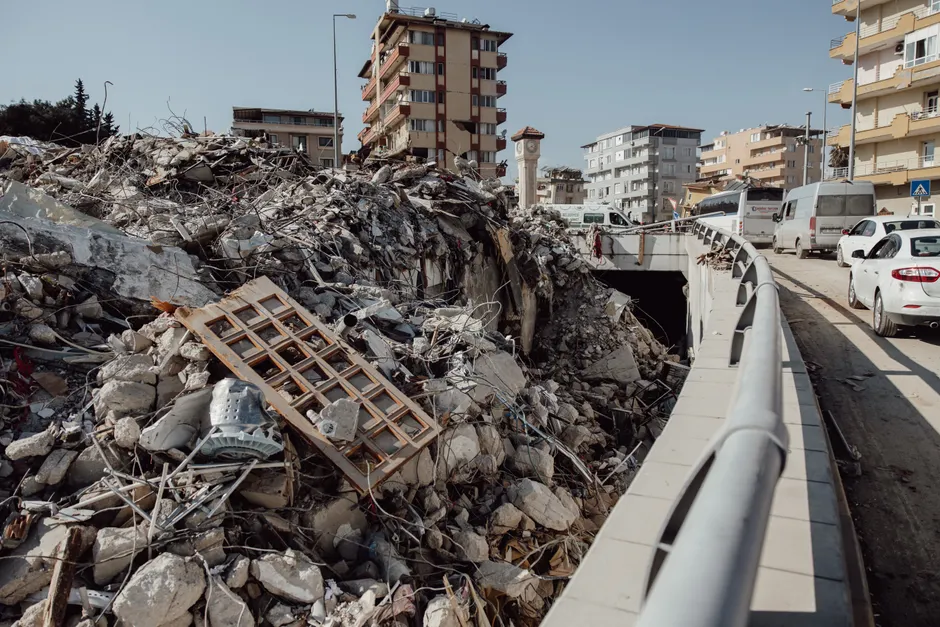
Multi-storey buildings collapsed in La Guaira, Venezuela's main port city and Caracas's connection to the Caribbean coast, BBC News reported. In Caracas, at least one collapsed structure became a focal point for rescue operations. Early footage showed rescuers pulling survivors from debris with their bare hands — a sign that heavy equipment had not yet reached all affected sites. Three young siblings were pulled alive from the rubble in La Guaira, covered in dust, according to BBC. Their rescue illustrates a seismic reality: certain types of building collapse can leave pockets of empty space where people survive the initial collapse.
The 39-second gap between the two earthquakes is seismologically significant. Whether the M7.2 was a foreshock preceding the main event or a separate rupture on an adjacent fault remains unconfirmed. Either way, that rapid sequence meant people had no time to evacuate after the first jolt — a factor that likely increased the number of people trapped in buildings when the larger quake struck.
Historical Context
The M7.5 places Wednesday's earthquake among the strongest on record for Venezuela. USGS regional data shows the largest earthquake in the region since 1900 was an M7.7 event in Caracas on October 29, 1900, followed by an M6.5 quake on July 29, 1967. Wednesday's double strike puts Venezuela near the upper edge of its documented seismic history — and it does so against a built environment that has accumulated over a century of dense urban development, much of it informal construction without strong earthquake protections.
USGS estimated economic losses at between 1 and 7 percent of Venezuela's GDP. That range is difficult to pin down in dollar terms because Venezuela's economy has contracted sharply over the past decade due to sanctions, severe inflation, and oil production collapse. Even a moderate percentage loss falls on an economy already operating well below its capacity. Figuring out how to finance rebuilding will be a central challenge regardless of where final damage assessments land.
What Comes Next
Venezuela's state of emergency unlocks domestic emergency protocols and, in theory, streamlines international aid coordination. In practice, Venezuela's tense relationships with some major Western donors and the weakness of its public institutions complicate the logistics of a swift international response. Regional partners — particularly through CELAC (a Latin American and Caribbean coalition) and direct ties with Cuba, Mexico, and China — are likely to arrive first.
Rescue teams face a critical 72-hour window. After that point, survival rates among people trapped in structural collapse drop significantly. Beyond immediate rescue, La Guaira's role as Caracas's primary port means any prolonged disruption to that infrastructure ripples across the city's supply chains. How quickly rescue teams assess the damage and reopen that corridor will shape the pace of relief operations in the coming days.