Back-to-Back Earthquakes Devastate Venezuela's Coast: Why Sequential Strikes Made It Worse
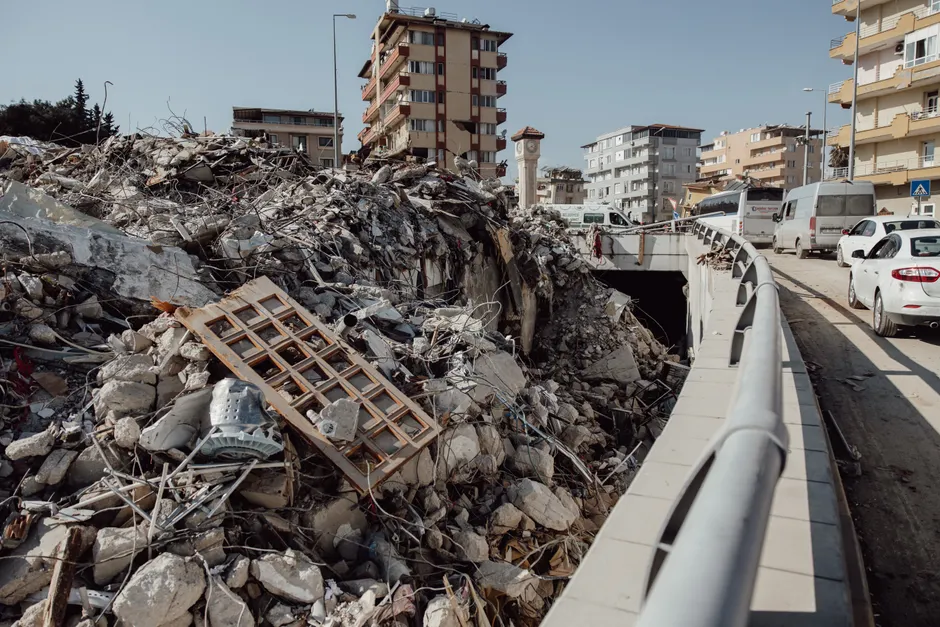
Two powerful earthquakes — magnitudes 7.5 and 7.2 — struck Venezuela on June 24–25, 2026, causing widespread building collapse and significant casualties along the country's northern coast, according to BBC News.
La Guaira, a major port city located just north of the capital Caracas at sea level, experienced the heaviest damage. Buildings collapsed entirely. The damage was worse than either earthquake alone would have caused because of how the two struck in sequence: the 7.5-magnitude quake destabilized structures, then the 7.2 hit buildings that were already compromised. La Guaira's aging building stock — much of it decades old with inconsistent earthquake reinforcement — proved especially vulnerable to this double impact.
Why This Region Shakes
Venezuela lies along a major tectonic boundary where the Caribbean Plate collides with the South American Plate. This zone has produced destructive earthquakes throughout recorded history. The 1999 Vargas disaster — a rainfall-triggered mudslide that flattened the same La Guaira area — remains the reference point for rapid, large-scale loss of life in this corridor. A closer comparison in terms of mechanism: a 6.2-magnitude earthquake hit Yaguaraparo in Sucre state on June 22, 2024, a reminder that Venezuela's seismic exposure is not rare or confined to one region.
The Rescue Window
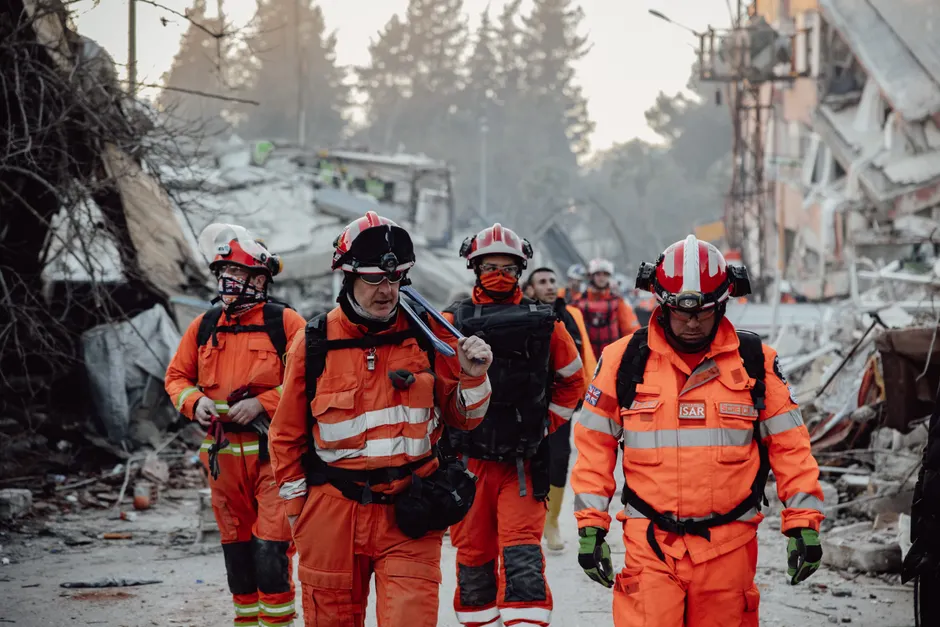
Despite the scale of destruction, search teams recovered survivors well after the initial shaking. A mother and her 18-day-old infant were pulled from rubble — a success that speaks to the air pockets that form within collapsed concrete buildings and the rapid deployment of rescue teams. More notably, a three-year-old child was recovered alive six days after the earthquakes.
That six-day recovery matters because urban search-and-rescue teams typically see survival odds drop sharply after 72 hours. The curve flattens somewhat between day three and day six depending on temperature, access to air pockets, and the person's condition — children's lower metabolism can sometimes extend that window. The rescue doesn't overturn the 72-hour rule, but it shows why sustained, intensive search operations beyond the initial phase remain valuable, a lesson reinforced by recent earthquakes in Turkey, Morocco, and Syria.
The Larger Challenge
Venezuela's ability to respond to large disasters is weakened by over a decade of economic decline, loss of skilled workers to emigration, and deteriorated public services. The same shortages that have crippled the health system — missing drugs and equipment — affect civil protection agencies just as severely. International humanitarian aid access, which has been politically contentious under the Maduro government, will determine whether relief operations can scale to match the need.
La Guaira's status as Venezuela's main port adds another layer. If port operations are damaged or disrupted, imports of food and medicine — which Venezuela depends on heavily — could be delayed at the exact moment the country is handling mass displacement and casualties. This secondary effect deserves close attention in the coming weeks.
The core issue that disaster experts have long identified is this: when high-earthquake zones overlap with fragile state infrastructure, the human toll far exceeds what the magnitude numbers alone suggest. Venezuela in June 2026 is a stark example of that intersection. The confirmed rescues — an infant, a three-year-old, six days from impact — are the human dimension of the structural damage. For responders still working the rubble, they are the reason to continue.