Elon Musk Acquires Mesh Optical Technologies in FTC-Cleared Deal
The Federal Trade Commission approved Elon Musk's acquisition of Mesh Optical Technologies on June 25, 2026, using an expedited review process that signals no significant competition concerns. The deal received transaction number 20261601 under the Hart-Scott-Rodino early termination program, which shortens the standard waiting period when regulators find no material overlaps between the companies involved. Bloomberg reported the clearance on June 26; Yahoo Finance confirmed it the next day.
Mesh is a startup founded by former SpaceX engineers whose main product is the Alpha C1. The company raised $50 million in Series A funding led by Thrive Capital, enough runway to develop and begin shipping hardware before acquisition talks concluded. Early termination from the FTC — recorded in the agency's public early termination notices register — typically means the deal raised no red flags significant enough to warrant deeper investigation.
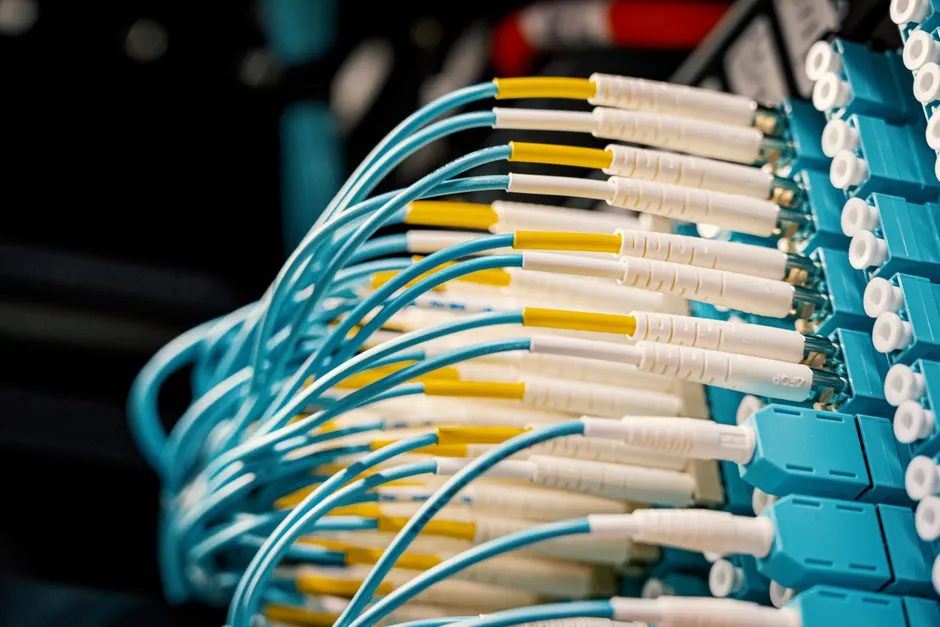
The SpaceX alumni connection deserves attention. Mesh's founders built experience in satellite optical inter-links — laser-based communication systems that let Starlink's latest satellites relay traffic between each other without routing through ground stations. The Alpha C1's exact application remains unconfirmed in reporting, but the founding team's background points toward high-speed, low-delay optical networking, a domain that straddles satellite systems, large data center connections, and defense communications.
Thrive Capital's lead on the Series A round is instructive on its own. The New York venture firm typically backs consumer software and internet businesses — OpenAI, Stripe, Instagram — so backing a hardware-focused optical networking startup represents a notable shift. That an investor of Thrive's reputation committed $50 million suggests the firm identified genuine technical advantages in Mesh's approach, not simply confidence in the team's names.
For Musk's portfolio, the deal fits a larger strategy of owning multiple layers of the connectivity stack. SpaceX controls the satellites and ground stations; X (formerly Twitter) owns a consumer distribution channel; xAI runs AI inference, which demands very low network delay. An optical networking company staffed by engineers already familiar with building these systems at scale within Musk's own space program creates a potential internal supplier for high-bandwidth connections between data centers, ground stations, or spacecraft. None of these applications are confirmed, but they represent plausible paths the acquisition creates.
The expedited regulatory path is worth considering. Since the FTC reinstated early termination in 2021, the process has been granted sparingly. That this deal proceeded without an extended second request indicates regulators did not see material competitive overlap between Musk's existing businesses and Mesh's products — likely because the market is still early, because Mesh's revenue is modest relative to relevant market definitions, or both. Given that Mesh has only completed a Series A round, the latter explanation carries more weight.
The broader context here is that early-stage optical networking companies are attracting serious capital precisely because high-speed data movement between computing centers and satellite systems is becoming a bottleneck. Thrive Capital's willingness to back Mesh, and Musk's move to acquire it, both point to genuine demand for the underlying technology, not mere portfolio gambling.
Acquisition terms — price, earnouts, structure — remain undisclosed. At Series A scale with a recent $50 million round, any premium Musk paid would be contained relative to his empire's size. The strategic value hinges on whether the Alpha C1 delivers real performance gains in optical link density or atmospheric tolerance. That gap between financing price and acquisition value is where early-stage M&A typically builds its case.


