The Flydubai Cockpit Struggle: What Happened on Flight FZ1073

The United Arab Emirates on Saturday described the struggle for control aboard Flydubai Flight FZ1073 on Wednesday as an attempted "terrorist operation." The aircraft was on a scheduled Dubai-to-Tel Aviv service carrying 174 people. Al Jazeera
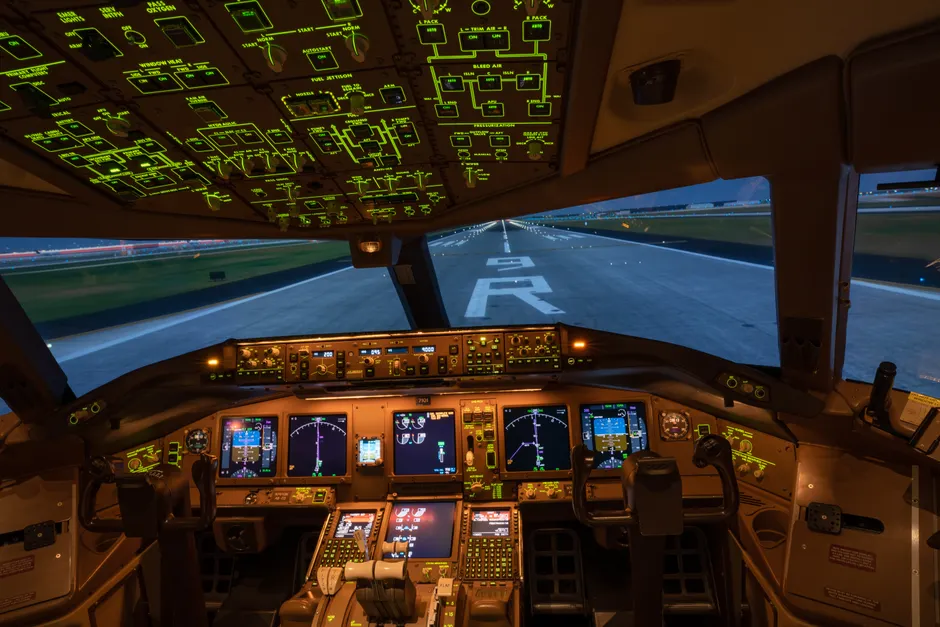
The flight departed Dubai for Tel Aviv at 7:05am (03:05 GMT) on Wednesday and climbed to 34,000ft. The co-pilot then allegedly attacked Captain Smit Machchhar, an Indian national, with an emergency axe and tried to take control of the aircraft. Flight-tracking data, which logs a plane's location and height, showed the plane plunged more than 17,000 feet in about two minutes before climbing and descending again.
UAE officials said the co-pilot's actions nearly crashed the aircraft in a sharp plunge. The Guardian The jet made an emergency landing in Tabuk, after which the Indian captain and the co-pilot were taken to hospital. CNN Passengers and crew foiled the attempt to crash the aircraft. All survived the immediate assault. The passengers later reached Israel safely. Reuters
The identity of the suspected co-pilot remains formally unconfirmed by Emirati authorities, but three news organizations have attributed a name to sources close to the inquiry. The Associated Press, citing three people with knowledge of the situation including a Gulf diplomat and a Western diplomat, identified the suspect as Hamam al-Hammami, an Omani national. CNN, quoting a source and an Israeli official, reported that al-Hammami is an Omani citizen born in the UAE to a Syrian mother and spent several years in the Emirates.
Two further reports focus on his flying career and earlier scrutiny. The Wall Street Journal, quoting unnamed sources, reported that Omani authorities had previously barred the accused co-pilot from flying in Oman over concerns he held extremist views. CNN reported that a LinkedIn profile bearing al-Hammami's name said he spent seven years at Oman Air before leaving in February 2025, joined Royal Air Maroc in June 2025 and left in January 2026.
The broader context here is the type of threat. Commercial aviation security is built mainly to stop outsiders from getting into the cockpit, like a locked door meant to keep intruders out. An alleged attack from inside the flight deck, using a standard emergency tool as a weapon, raises different operational questions about crew vetting and background checks, cockpit procedure when a pilot is incapacitated and unable to fly, and intervention by cabin crew and passengers.
Looking at what this means for investigators and regulators, the case cuts across several jurisdictions, or legal authorities, at once. There is the state of registry and operator, meaning the country where the plane is registered and the airline's home base, the state where the emergency landing occurred, the intended destination, and the nationalities of the two pilots and the passengers. Employment across three carriers in two countries in less than a year, combined with the reported prior flying restriction in Oman, will direct attention to how pilot records, background checks and employment references move between national authorities and airlines. The central documents to watch will be any formal UAE account of the cockpit sequence, medical assessments from Tabuk, and clarification of the suspect's certification and employment status at the time of the flight.