Czar Samuel Returns to Bulgaria After 1,000 Years
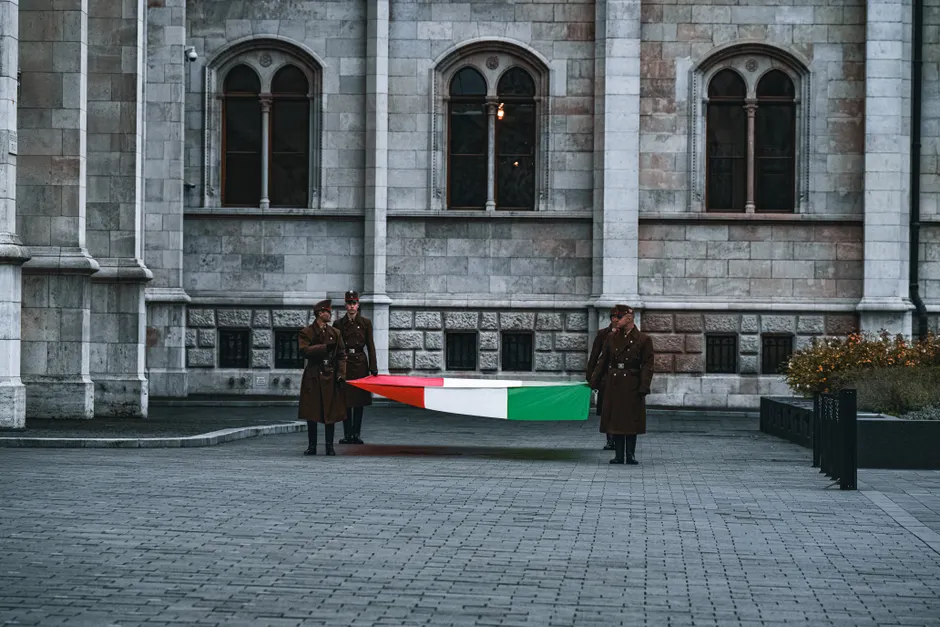
The remains identified as those of Czar Samuel arrived in Bulgaria on Oct. 3, 2026, more than 1,000 years after his death. The coffin was flown to Sofia aboard a military aircraft escorted by air force fighter jets. Thousands gathered in a public square in Sofia to honor the arrival. Al Jazeera
Samuel was a warrior emperor who battled the Byzantine Empire to expand his kingdom before defeat and death in 1014. His supposed remains were discovered in a Greek border area in the 1960s. That identification has followed him since, rather than settling the historical record.
From the airport, the coffin was brought in procession to the Church of Saint Sofia in Sofia. Church officials say Samuel was baptized there. The church is a sixth-century basilica, a church building dating to the 500s.
The repatriation capped years of fraught negotiations between Bulgaria and Greece until an accord was reached in the week ending Oct. 3, 2026. Greece agreed to hand over the remains under an accord signed on Sept. 29, 2026, Reuters as part of a broader accord between the Greek and Bulgarian culture ministers. In exchange, Greece is slated to receive 48 objects that Bulgarian troops pillaged from churches and monasteries in Greece during World War I.
The return does not resolve a second competing claim. A huge statue of Czar Samuel stands in Skopje, North Macedonia, where Macedonians claim him as their ruler. In 2022, a bilateral commission recommended presenting Samuel as head of a state that most contemporary historiographers consider to be the Bulgarian Empire, based in what is currently North Macedonia. Greek Prime Minister Kyriakos Mitsotakis said he hoped the handover ceremony would boost Greece's campaign to repatriate the Parthenon Marbles from the British Museum.
The broader context here is restitution as statecraft. Direct exchanges involving human remains and looted church objects are uncommon. They create reciprocity, like a swap where each side brings something home to show. Each government can point to a tangible return. The symbolism was deliberate. Restitution is rarely one-way. For practitioners, the mechanism matters more than the ceremony. A culture-ministry accord supplies the administrative channel. A military flight and public gathering supply domestic legitimacy. A defined reciprocal commitment supplies the implementation test. That test is now the transfer of the 48 church and monastery objects to Greece. Timetables, condition reporting, provenance documentation, or records showing where objects came from, and display decisions will determine whether the accord holds as a working precedent or stalls after the first movement.
In my view, the triangular debate over history will outlast the bilateral exchange. Sofia has secured physical custody. Skopje retains public commemoration. The 2022 commission language attempted to manage that overlap by locating the empire in present-day North Macedonia while retaining its Bulgarian characterization. Custody does not settle interpretation. For Bulgaria, interment in Saint Sofia closes a national narrative of return. For Greece, a completed handover offers a usable example in other restitution arguments. For North Macedonia, the statue and counter-claim persist outside the Athens-Sofia legal frame. The next signal to watch is quiet. It will be paperwork, packing crates and inventories, not speeches.


