OpenAI's Government and Hardware Bets: Vertical Integration at Scale
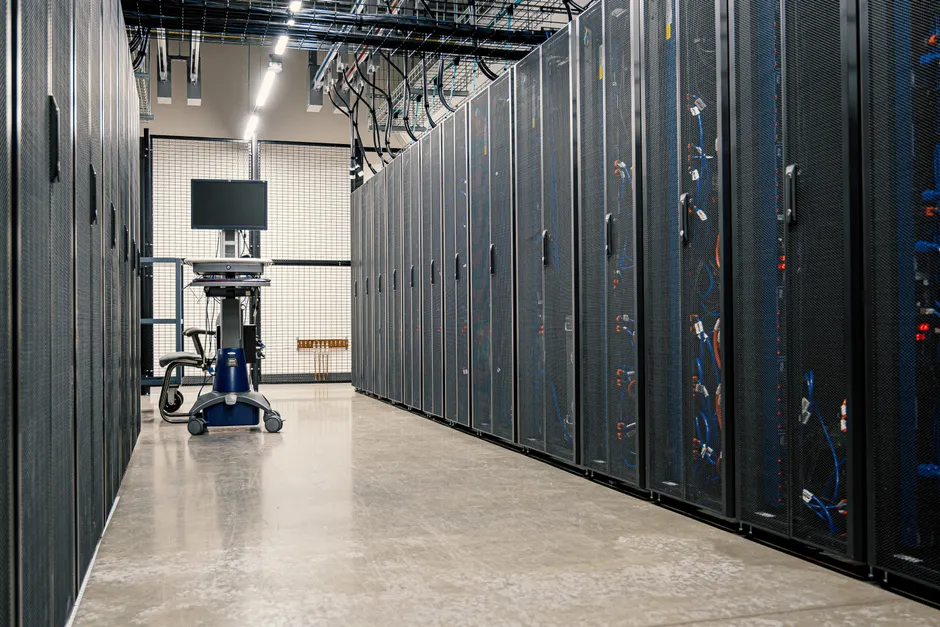
OpenAI launched ChatGPT Gov in January 2025, a version of ChatGPT built specifically for US government agencies. Unlike the standard ChatGPT that runs on OpenAI's shared servers, ChatGPT Gov can be deployed within agency-controlled cloud infrastructure — either on Azure Government cloud or on-premises systems — keeping sensitive data entirely within government hands. This distinction matters because agencies retain data sovereignty, meet FedRAMP security compliance requirements, and can fine-tune the model without routing classified or sensitive workloads through a shared API.
OpenAI's announcement framed ChatGPT Gov as a direct response to the security and control requirements that have kept federal agencies from adopting frontier AI models. The federal procurement system is deliberately slow — security clearances, compliance audits, and approval processes take years by design. Offering an isolated deployment option removes one of the most persistent structural barriers. Whether agencies will move quickly to adopt it remains an open question, but the supply-side obstacle is meaningfully lower than it was before.
The Hardware Thread
The government product does not exist in isolation. OpenAI has been assembling a broader stack, and the hardware layer is where structural momentum appears.
In May 2025, io Products, Inc. — a hardware startup developing AI-native devices — formally merged into OpenAI, with designer Jony Ive and his studio LoveFrom remaining independent and working with OpenAI under a separate arrangement. The merger brought io's engineering and product team inside the company while preserving the creative autonomy that Ive has always required. This structure is common for design-led partnerships; it echoes how Apple managed key external relationships in its early hardware era.
The relationship traces back to late 2023, when Bloomberg reported that Tang Tan — Apple's then-iPhone design head — had been enlisted by Ive and Sam Altman to contribute to the AI hardware project. Tan's background is significant: he led the design of the iPhone through several of its most important hardware generations. Bringing in someone with his form-factor and manufacturing expertise suggests that OpenAI and Ive are building a mass-market physical product — not a research prototype or developer kit.
The device itself remains unconfirmed publicly, but the talent assembled tells a story. Ive's involvement points toward a consumer product where industrial design carries real weight, not decoration. Tan's iPhone background adds credibility in manufacturing at scale and supply-chain complexity. Together, they suggest a product small and accessible enough to carry or wear, not something that lives in a server room.
Apple's Own Realignment
Personnel moves at Apple are worth following in parallel. In March 2025, Bloomberg reported that Mike Rockwell — the executive who led Apple Vision Pro's development — was named head of Siri, with John Giannandrea keeping his broader AI and machine learning role. Putting a hardware systems architect in charge of a voice assistant is an unexpected move. It likely reflects Apple's view that Siri's problems go beyond AI model quality. Response speed, running AI on the device itself rather than sending data to the cloud, and integration with Apple's hardware features — these are systems engineering challenges as much as they are language-model challenges. Rockwell's appointment suggests Apple is betting that the answer lies in that direction.
The relevance to OpenAI is indirect but real. If Apple is moving more aggressively to improve Siri's hardware-software integration, it is competing directly for the same market category that an OpenAI consumer device would target. The space for AI-native personal computing — whatever shape it eventually takes — is being fought over on multiple fronts right now.
What emerges from this pattern of moves: OpenAI is building vertically, from secured government deployments at one end to consumer hardware at the other, with AI models running through the middle. That is a broader range than any AI company has tried to own in a single product cycle. The execution risk is substantial, and so is the potential payoff.
The government market operates on a long timeline. Federal sales cycles, authorization processes, and procurement requirements routinely stretch past a product's commercial lifespan. OpenAI is positioning itself early, which is the right moment — but positioning is not the same as revenue, and the gap between them is typically measured in years.


