Gold at $4,165: Why Steady Inflation Cut Hike Bets to 22%

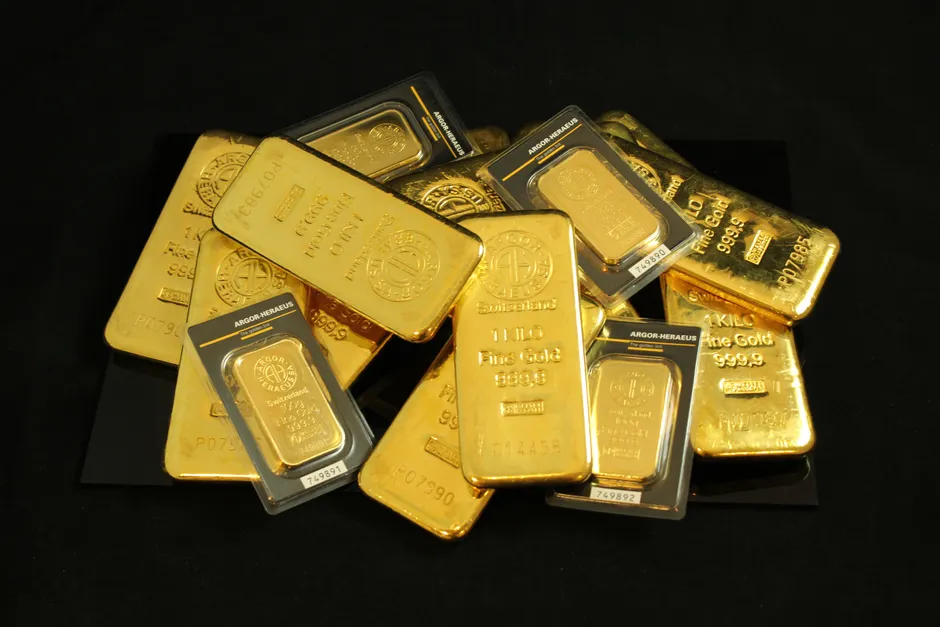
Gold edged 0.2% higher to $4,165.29 an ounce after softer U.S. inflation data lowered expectations for an October rate increase by the Federal Reserve. Reuters The move left bullion modestly higher in the session following the August Personal Income and Outlays release.
Market bets on higher rates fell across the week. By Oct. 5, investors in Fed funds futures, contracts tied to what markets think the Fed will do, priced only a 22% chance of an October 2026 hike, down from 64% a week earlier. Reuters Right after the inflation data, the chance was about 39%, down from about 45% before, according to CME's FedWatch Tool.
The Bureau of Economic Analysis reported that personal consumption expenditures increased $190.8 billion, or 0.9 percent, in August 2026. The PCE price index, the Fed's preferred inflation gauge, increased 0.3 percent in August. BEA On a year-over-year basis, the BEA's data pages list +3.4% for the PCE price index in August 2026 and +3.4% for July 2026. For PCE excluding food and energy, they list +3.0% for August and +3.0% for July. The agency states the index is released each month in the Personal Income and Outlays report.
Trading into the data had been soft. Gold rose 1% to recover from a more than seven-week low hit in the previous session. That rebound came before the inflation release.
The broader context here is how sensitive gold is to small shifts in rate expectations when many traders already hold long positions betting on higher prices. A lower chance of a hike points to a lower path for nominal rates and, if inflation holds steady, for real rates, which are nominal rates minus inflation. Gold pays no yield, meaning no interest. So shifts in borrowing costs and discount rates feed into futures, options demand, and buying and selling of gold ETFs, even on a 0.2% spot move.
In my view, the sequence matters more than any single number. A 0.3% monthly increase with yearly headline inflation flat at 3.4% and core inflation flat at 3.0% is not inflation solved. It is a further speedup avoided. The drop from 45% to 39% right after the data, then to 22% by Oct. 5, reads as a broader pullback in hike bets rather than math on one decimal point. The bounce from the seven-week low, automatic sell orders, and a rethink of worst-case rate bets likely added to the swing.
Looking at what this means for risk management, the focus is whether flat inflation lasts. One PCE release does not change how the Fed reacts. Traders will compare the 0.9% nominal spending gain against the 0.3% price gain to judge real demand, and watch whether coming releases also hold year-over-year rates flat. For gold, the near-term link is straightforward. Less hike risk supports bullion at the margin. A fresh rise in monthly prints would quickly work the other way. The metal recovered. Conviction did not.