Intel Googlebooks May Struggle With Some Android Apps, Google Says

Google said on Oct. 5, as its new Googlebook laptops went on sale, that models with Intel processors may have trouble running some Android apps. The disclosure qualifies Google's earlier position that the Android-based machines would give owners access to the entire Play Store library of apps. The Verge
Google said the vast majority of Android apps run smoothly on both Intel and Qualcomm Googlebooks out of the box. Many Android apps were first designed for Arm chips, the processor family behind most phones, so a small handful of complex apps or games need extra developer tuning to run best on Intel-based platforms, which use a different instruction set known as x86. The company said it is working with app developers, Intel and Qualcomm to optimize performance and expand compatibility across the Googlebook portfolio.
Three of the five Googlebooks on sale run on x86 Intel chips. Those models are from Acer, Asus and Lenovo. The other two, from Dell and HP, run on Qualcomm Snapdragon processors built on Arm.
Google has not disclosed how many apps will have performance issues on Intel Googlebooks or named any specific affected apps. The Play Store client will identify apps and games optimized for bigger displays. Ars Technica Separately, 20,000 mobile and PC titles will run on Googlebooks optimized for keyboard, mouse and touchscreen. 9to5Google
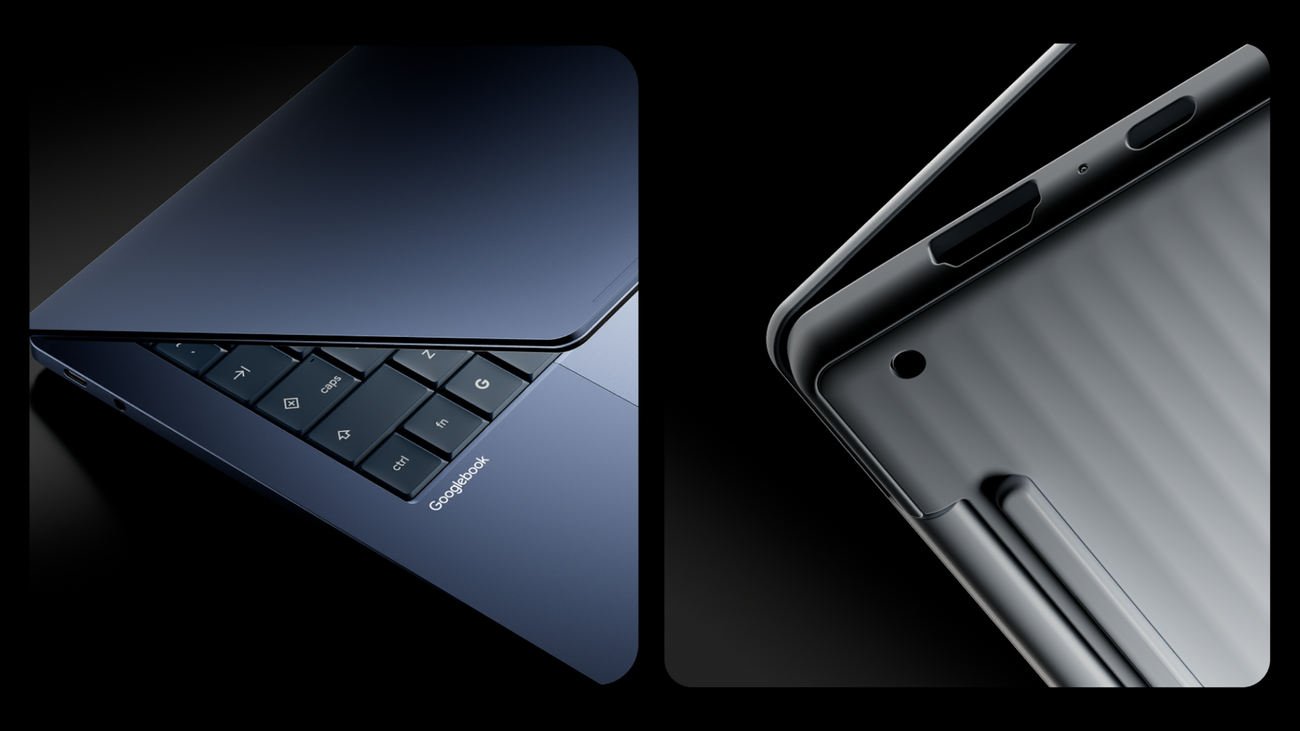
Google introduced Googlebook as a new category of laptops designed for Gemini Intelligence. Google The machines are designed to sync with Android phones. They launched on Oct. 4 starting at $899. Unlike ChromeOS, which runs Android apps through an emulation layer that translates between app and hardware, Googlebooks give Android apps direct access to hardware and the OS. Yahoo Tech
The broader context here is familiar to anyone who has followed shifts between processor families. A mobile software catalog built around Arm assumptions does not transfer to x86 without edge cases. Most code built with standard frameworks and interface logic ports cleanly. Performance risk concentrates in titles with hand-tuned native libraries, game engines, media codecs and hardware-coupled routines. That matches Google's distinction between the vast majority and a small handful, though without a list or test data the boundary is not yet actionable for buyers.
In my view, the practical issue is procurement clarity rather than long-term viability. A buyer comparing the five launch systems now faces a chip choice with incomplete information. Three are Intel. Two are Qualcomm. The workloads that justify a laptop purchase, from communications and productivity to development tools and casual gaming, largely sit in the unaffected majority if Google's characterization holds. The concern is the outlier. A single work companion app or frequently used game with degraded performance can determine whether a machine is kept or returned.
Looking at what this means for developers and platform owners, the path forward is iterative testing and targeted optimization. Worth flagging, launch-day compatibility caveats of this kind often narrow quickly once device volume gives developers reason to profile and retune. If Google, Intel and Qualcomm sustain the joint optimization work Google describes, and if Play Store surfacing for large-display titles improves discovery, the Intel distinction could fade into a launch footnote. Direct hardware and OS access gives developers a cleaner performance target than an emulation layer, which over time should make consistent behavior easier to achieve across both x86 and Arm Googlebooks.