Stocks Hit Highs Even as the 10-Year Yield Topped 5.3%
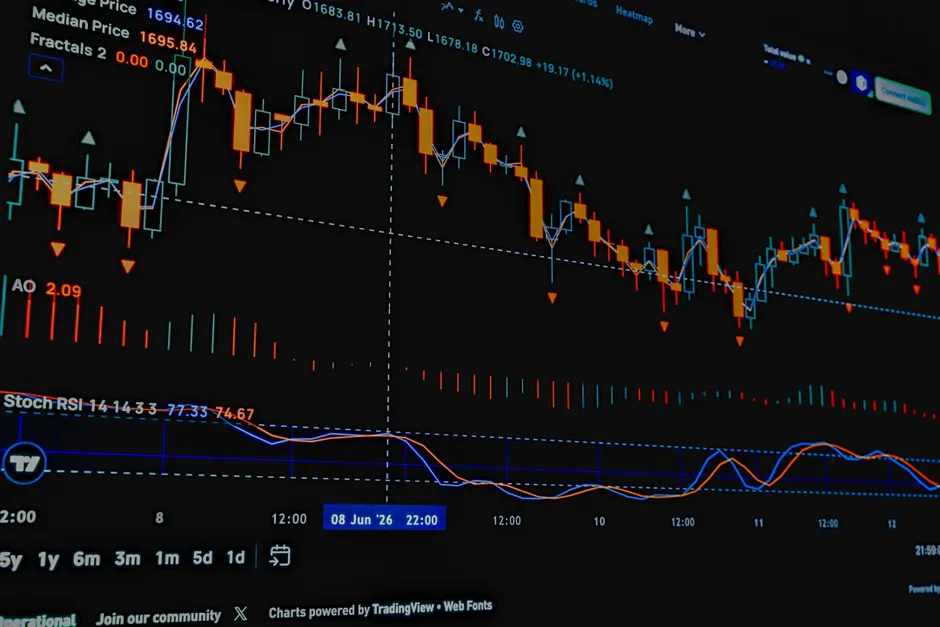
The S&P 500 rose on Monday, Oct. 5, 2026, while the Nasdaq closed at all-time highs. Most megacap and growth stocks, the largest companies and those priced for fast expansion, advanced on the day, extending a run that has kept large-cap tech at the center of index performance Reuters.
The dollar and U.S. Treasury yields climbed in trading reported on Oct. 4-5, 2026, while oil prices eased Reuters. That left stocks higher even as discount rates, the rates used to put a present value on future profits, moved up and energy input costs softened.
The move in rates has been abrupt. The yield on the benchmark 10-year Treasury bond, the yearly return for lending to the U.S. government for 10 years, climbed to 5.293%, its highest level since June, in trading reported Sept. 29 Reuters. It then hit an intraday high of 5.344%, with the Nasdaq Composite gaining 0.04% to end at 26,871.60 CNBC. The 10-year later rose as high as 5.34% for the first time since 2002 Boston Herald.
Volatility around the 5% level has been persistent. After hitting 5% on Monday morning, the 10-year pulled back to trade just below that level in mid-September trading CNN. On Oct. 2, the 10-year ticked higher despite a weaker-than-expected jobs report. The Nasdaq composite then gained 1.2 per cent as the yield on the 10-year briefly dropped below 5.17 per cent BNN Bloomberg.
The pattern has a precedent. In September 2017, the Dow, S&P 500 and Nasdaq closed at record highs, with investors attributing the move in financial firms to rising long-term bond yields WSJ. In that episode, financial companies rose along with bond yields, and the dollar rose with bond yields. The Nasdaq Composite rose 6.68 points, or 0.1%, to 6461.32 in one quiet session that also produced records.
The broader context here is how rate sensitivity and stock market risk are interacting. Rising headline yields normally tighten financial conditions through higher discount rates and wider credit compensation, the extra return lenders demand for risk. When megacap growth still leads, the market is pricing steady earnings and visible cash flow above the drag from higher rates.
In my view, the sequence matters more than any single report. A payrolls miss that fails to pull yields lower points to term premium, the extra yield for holding longer bonds, or supply pressure rather than pure growth expectations. A later intraday dip in yields coinciding with a 1.2% lift in the Nasdaq fits that template. Stocks can absorb higher yields if the long end is repricing fiscal or inflation risk without a matching cut to expected earnings. Stress emerges if higher inflation-adjusted yields persist alongside dollar strength.
Looking at what this means for positioning, the links across markets deserve attention. Dollar strength with easing crude loosens one pressure on profit margins while tightening another through currency translation and foreign demand. The level of yields matters for banks' net interest margins, the gap between lending and funding rates, and for the relative appeal of long-duration stocks valued on distant profits. For now, the price action says compression in the equity risk premium, investors accepting less extra return for holding stocks, is doing the work.


