France's School Protests Grow to 1,800 Schools on October 6
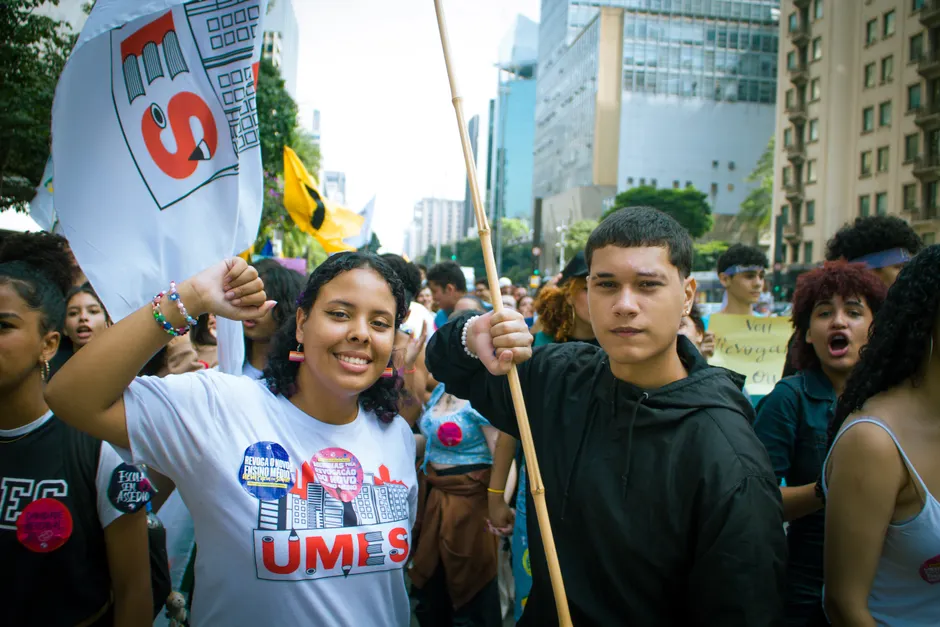
Students and teachers marched in France on October 6, 2026, on a national day of school blockades, where entrances are blocked to close schools, and street protests.
France's High School Students Union said 1,800 high schools were blockaded or would close for the day, according to Reuters. France has 3,700 high schools, according to Reuters. The October 6 number was higher than in the days before, when up to 500 schools were set to partly or fully close, according to BBC.
High school students in Paris' deprived suburbs sparked the national protest movement, according to Reuters. By early October, students in Marseille and Lille had barricaded schools and clashed with police in protests over education funding, as documented by Euronews. Unions called for teachers to strike alongside the high school protests.
The days before October 6 brought repeated confrontations. Student protesters started fires in at least two high schools. Attackers doused teachers with petrol at a high school in southern France. Clashes with riot police accompanied closures and blockades.
Some protesters suffered eye injuries, broken teeth and blows to the head. In one incident, a teenager's hand was blown off, reportedly by a dispersal grenade, a police weapon used to scatter crowds. More than 5,000 people were detained during the protests reported in early October, according to France 24.
The broader context here is scale and speed. Action that started in specific Paris suburbs reached hundreds of schools within days, then a union-backed national day claiming 1,800 sites. That fast spread left administrators, unions and police with little time to set routines for handling blockades involving minors.
Looking at what this means after October 6, the link between disruption and enforcement will be central. Blockades gain leverage by stopping normal school work. Mass detentions impose costs and signal resolve. Serious injuries tend to change public debate about protest tactics and policing. Observers will watch whether teacher-student coordination holds, whether turnout lasts beyond one national day, and whether clashes in Marseille, Lille and the Paris suburbs stay local or set the tone for the whole movement.


