France's Student Protests Peak on October 6 With Marches and School Blockades

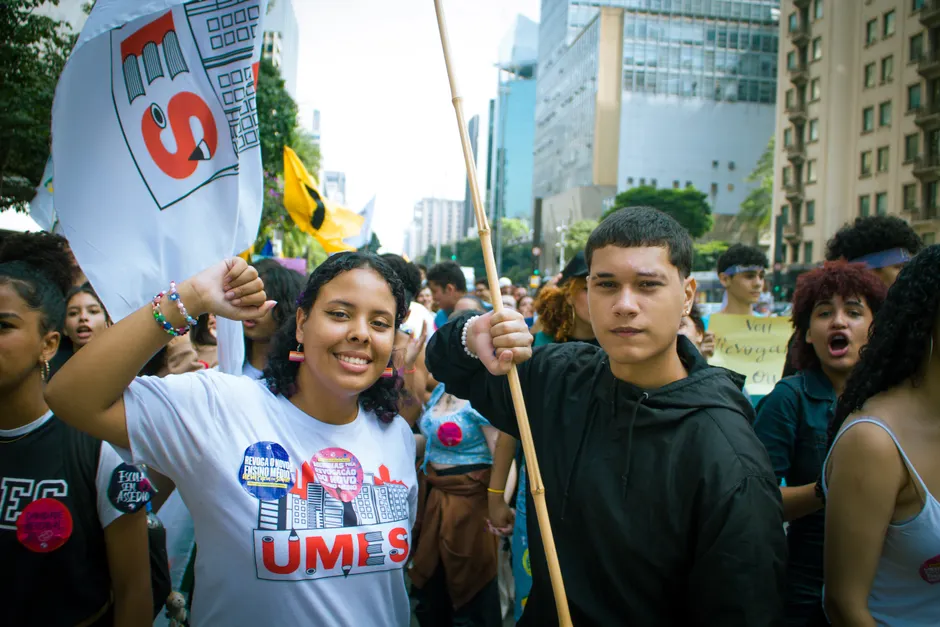
Tens of thousands of students marched in cities across France on Tuesday, October 6, 2026, in what Reuters described as the biggest day of the school protests so far, with hundreds of schools blocked.
The core complaint has stayed the same. Protesters say high schools, known in France as lycees, are underfunded. That demand has followed students as action moved from school gates to city centers. BBC reporting put turnout in the tens of thousands nationwide.
In Lille, in northern France, thousands gathered at Place de la Republique. BBC Europe correspondent Nick Beake reported from inside the crowd. Police were present in large numbers nearby. At the time of that BBC report, there were no signs of trouble in Lille.
France 3 Hauts-de-France ran a live report on blockades and marches in Nord and Pas-de-Calais on October 6. Separate live coverage followed Besancon, Montbeliard, Vesoul, Dole and Belfort. October 6 was called Act III of the lycee mobilization, meaning the third coordinated national day. According to that France 3 account, street action has run since September 21. Mobilization in Hauts-de-France had continued since Monday, October 5.
The protests began in support of striking teachers, CNN reported, calling them the country's biggest student protests in decades. Unions called for teachers to strike as student protests continued. Students in Marseille and Lille barricaded schools in protests over education funding and clashed with police, according to Euronews video reporting.
Riot police, officers equipped and trained for crowd confrontations, clashed with high-school students across France on Friday, October 2. Some protests in the past week turned violent as protesters and authorities clashed. Police fired tear gas, a chemical that irritates eyes and throats to disperse crowds, according to BBC live reporting.
The most serious injury reported came on Monday. A teenager's hand was blown off when high-school protesters clashed with riot police in northern France on Monday, Reuters reported. The Lille prosecutor's office said 36 people were placed in police custody, including 30 minors, meaning people under 18. Protesters started fires in at least two high schools. Teachers were inadvertently splashed with petrol at a high school, according to Reuters reporting from October 1.
The broader context here is coordination and staying power. A movement that started in solidarity with teachers has kept up street action since late September, repeated blockades across school districts, and joined in a national day of marches.
Looking at what this means for public order and policy, two factors stand out. The first is student-teacher alignment, with teacher strike calls giving blockades continuity beyond spontaneous walkouts. The second is policing of minors, where custody figures dominated by minors, riot-police deployments around schools, and the severe injury in the north sharpen questions about tactics on both sides.
For diplomats and institutional observers, the test is whether Act III consolidates or fragments. National days bring numbers and attention into one place. They also show geographic spread, from Lille and the Nord to Marseille and the east. More blockades after a peak day would point to organizational depth. A return to local actions would point to the limits of student coordination without sustained union backing.