Greece Steps Up Push to Bring the Parthenon Marbles Home
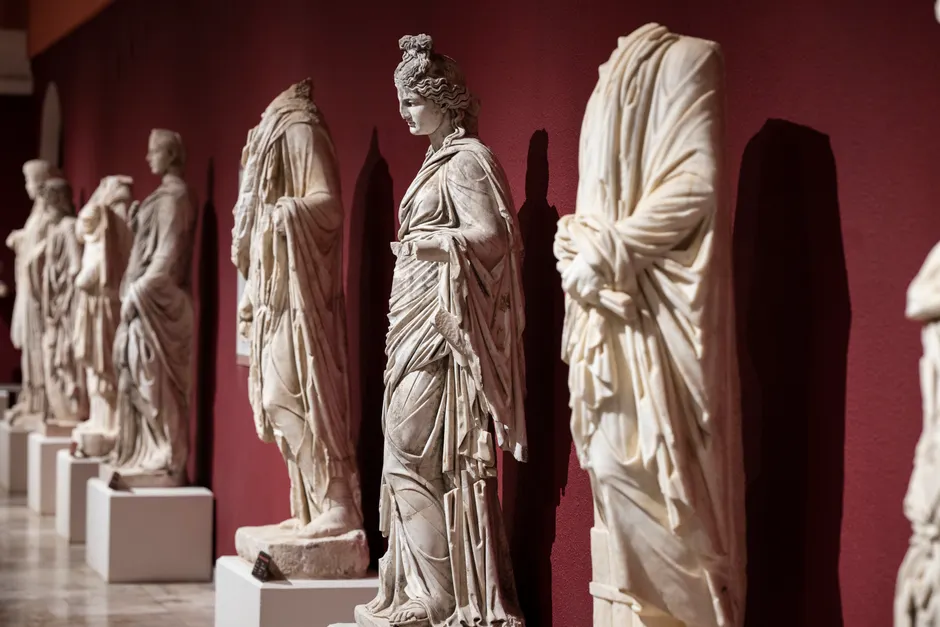
Greek Prime Minister Kyriakos Mitsotakis has vowed to "ramp up" Greece's push to bring the Parthenon marbles home from the British Museum. Speaking on 6 October 2026, he said he would raise the issue in the strongest terms when he meets British Prime Minister Andy Burnham. The Guardian
Mitsotakis pointed to Burnham's past support for return. Burnham served as culture secretary in a previous Labour government, and his backing goes back 25 years. In 2023, as mayor of Greater Manchester, Burnham posted on social media: "Send them back, no strings. And let's use culture to change how Britain is seen around the world."
Within days of taking office, Burnham said the dispute was "an issue for the British Museum" to resolve. Mitsotakis has linked the sculptures to Burnham's stated wish for closer ties between the UK and the EU. He made that link at a conference in Athens, where he called the Parthenon a global symbol and demanded reunification of its sculptures. Yahoo
The negotiating track, as Mitsotakis describes it, is stalled. He said talks with London on a "hybrid" deal have not progressed. The idea was to repatriate the fifth-century BC marbles in return for other antiquities. He said negotiations with the British Museum under its chair George Osborne had failed to make headway. Those talks started five years before October 2026. Ekathimerini
Mitsotakis said Greece will now press its claims more intensely with both the Museum and the British government. He said there was still room for a "win-win" solution. In an earlier statement reported on 24 September, he had called on Burnham to find the "political will" to send the sculptures back to Greece. BBC
The works have been split between Athens and London since their removal at the behest of Lord Elgin more than 200 years ago. The British Museum has held about 160 metres of the Parthenon frieze since 1816.
The broader context here is a divide over who should decide that has shaped this dispute for decades. London tends to describe restitution, the return of cultural objects, as a trusteeship question for the Museum as caretaker to settle. Athens treats it as a government-to-government question that needs a political decision. Burnham's early statement keeps that division in place. Mitsotakis is now pressing on both tracks, which acknowledges where legal custody sits while testing whether a new government will add diplomatic weight.
In my view, the EU-UK link is the element to watch. By connecting cultural property to Burnham's interest in closer ties with the EU, Mitsotakis is turning a bilateral heritage claim into a test of goodwill in a wider renegotiation. It does not change the legal limits on deaccessioning, the rules that restrict museums from permanently giving away objects, nor does it commit London to act. It does raise the diplomatic cost of doing nothing. For those following the process, the near-term signals will be procedural: whether Downing Street keeps referring the matter to the Museum, whether the Museum re-engages in substance, and whether any "hybrid" formula involving loans or exchanges returns under a different name.


