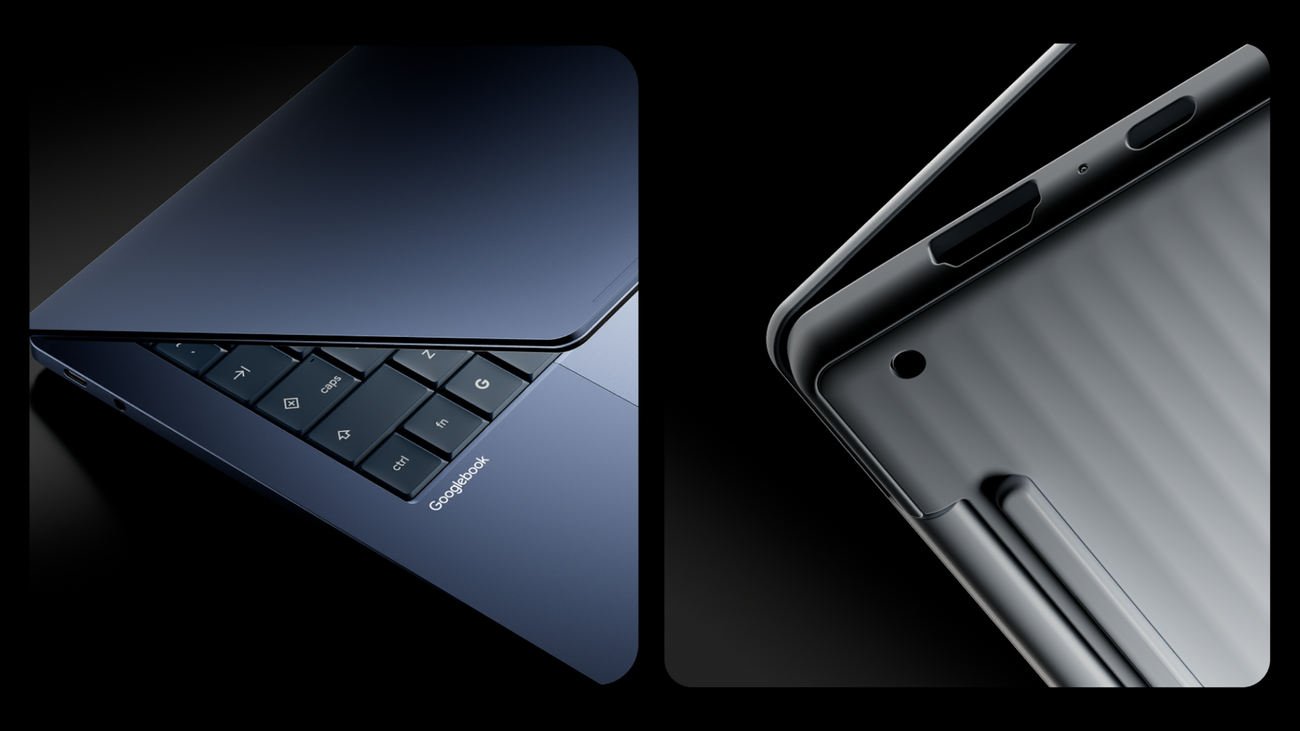
Googlebooks Go on Sale: $899 Android Laptops From Five Makers

The first Googlebooks went on sale on Sunday, October 4. They are Android laptops built by Acer, ASUS, Dell, HP and Lenovo, sold as a new line of premium laptops with prices starting at $899.
Pre-orders opened on September 21, 2026, according to Reuters. Google had introduced them in May as a "new category of laptops designed for Gemini Intelligence," in its May 12 announcement Google. The September pre-order post called them a "new line of premium laptops" Google.
The launch includes five flagship models, one from each maker, known as OEMs. Two names are confirmed: the Dell XPS and the Lenovo Googlebook 15 Ars Technica. The Dell XPS Googlebook has no OLED screen. Early detail is limited. The Verge said it received all five units about 24 hours before posting first impressions on October 6 The Verge. That covers setup and interface notes, not battery, performance or sustained-use testing.
Setup is phone based. The laptop prompts you to pair an Android phone by scanning a QR code, sign into a Google account, and load apps already on the phone. The phone stays visible in the system. A dedicated app drawer, a separate menu for apps, holds phone apps, and phone files appear in the Googlebook Files app.
Transfer uses a feature called Continue On. It pins the app open on the phone to the Googlebook taskbar, the bar for open apps, for one-click move to the laptop. The handoff starts from the taskbar. The visible hardware change is the Glowbar on the lid. It stays white in normal use, shifts colors when talking to Gemini, and shows a rainbow when closing the lid.
The broader context here is the phone as source of truth. Identity, app access and files follow the phone, which simplifies setup for people and IT teams. It also narrows the early audience. A Googlebook works without a paired Android phone, but setup assumes one.
Looking at what this means for software, the tests are windowing, input and lifecycle. Android apps use touch-first layouts, varied screen shapes and background limits set for phones. On clamshells with keyboards, trackpads and resizable windows, many will need to show they handle multitasking and focus changes. Continue On moves live state across devices so users do not relaunch and sign in again.
In my view, the $899 start price and five-maker launch stand out. Google is not testing one reference design. It is asking established vendors to carry an Android premium tier beside current lines. That shares inventory and support risk and gives business buyers familiar paths. Worth flagging, the price raises hopes for update policy, accessory support, and keyboard and trackpad quality, areas where phone-based platforms have often taken time to mature.
From my own experience, my kids long treated the phone as the main computer and the laptop as the add-on. Googlebook builds in that habit. If file sync holds and Continue On works across home, office and mobile networks, the laptop acts like a larger window onto work already started. That small shift could change daily use if developers adjust layouts and input for the larger screen.