Sahel States Launch Shared Russia-Backed TV Channel
Burkina Faso, Mali and Niger have started broadcasting Tafouk TV, a jointly owned, Russian-backed television channel created to carry their own coverage of events. The channel began broadcasting in September 2026, according to Semafor.
Ownership is shared among the three states. The operation is described as Russian-backed, and Russia's ambassador in Bamako praised the channel after its launch. The stated purpose is editorial autonomy, or the power to decide what to cover and how. The three governments want a platform to promote their own coverage rather than rely on external outlets.
The project also has a political side. The three countries are run by Russian-backed military governments in Africa's Sahel region, and they launched the channel to bolster their popularity, according to the Financial Times. That explanation puts domestic legitimacy, or public acceptance of their rule, at the center of the venture. Television remains a direct instrument for reaching national audiences.
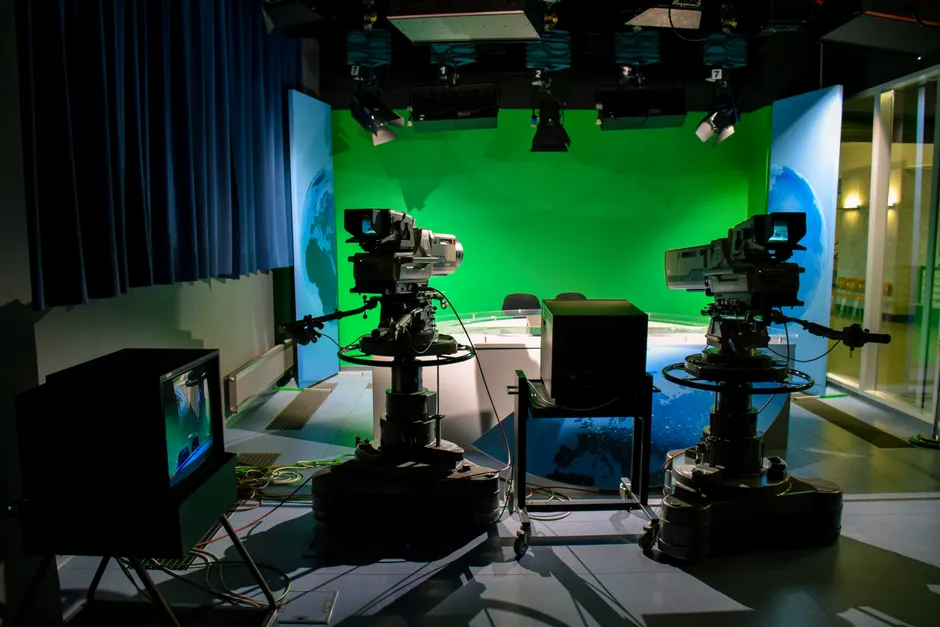
The physical footprint is split between capitals. Tafouk TV operates studios in Bamako, according to RFI. A second outlet is planned in Ouagadougou. Voice of Liptako, a new common radio station based there, will broadcast alongside Tafouk TV.
Official messaging in Niger presented the launch as a break with outside narratives. Niger's state television said the launch meant Sahel populations were "no longer passive consumers of false and manipulated stories." The language is categorical. It assigns the new channel a defensive as well as a promotional role.
The broader context here is control over the terms of visibility. A jointly owned broadcaster allows the three governments to pool production costs, synchronize news bulletins, and circulate the same images and interviews across borders. The relevant question is who sets editorial priorities, who staffs the newsroom, and how disagreements among the partners are resolved on air.
Looking at what this means for information competition, a parallel infrastructure changes incentives for officials and audiences. Officials gain a venue where their statements run in full and their policies receive sustained attention. Audiences gain another source, but one explicitly tied to the governments covering themselves. That structure tends to sharpen disputes over credibility. External reporting will be measured against Tafouk TV output, and Tafouk TV output will be measured against observable conditions.
In my view, durability will matter more than launch week. Joint media projects require continuous funding, technical maintenance, signal distribution, and audience habits that build slowly. Radio may prove as important as television here, given lower reception costs and wider daily use. Whether Voice of Liptako and Tafouk TV develop distinct editorial identities or function as a single cross-platform feed will shape their reach, and whether praise from diplomatic partners translates into training, equipment, and sustained operational support will shape their capacity.