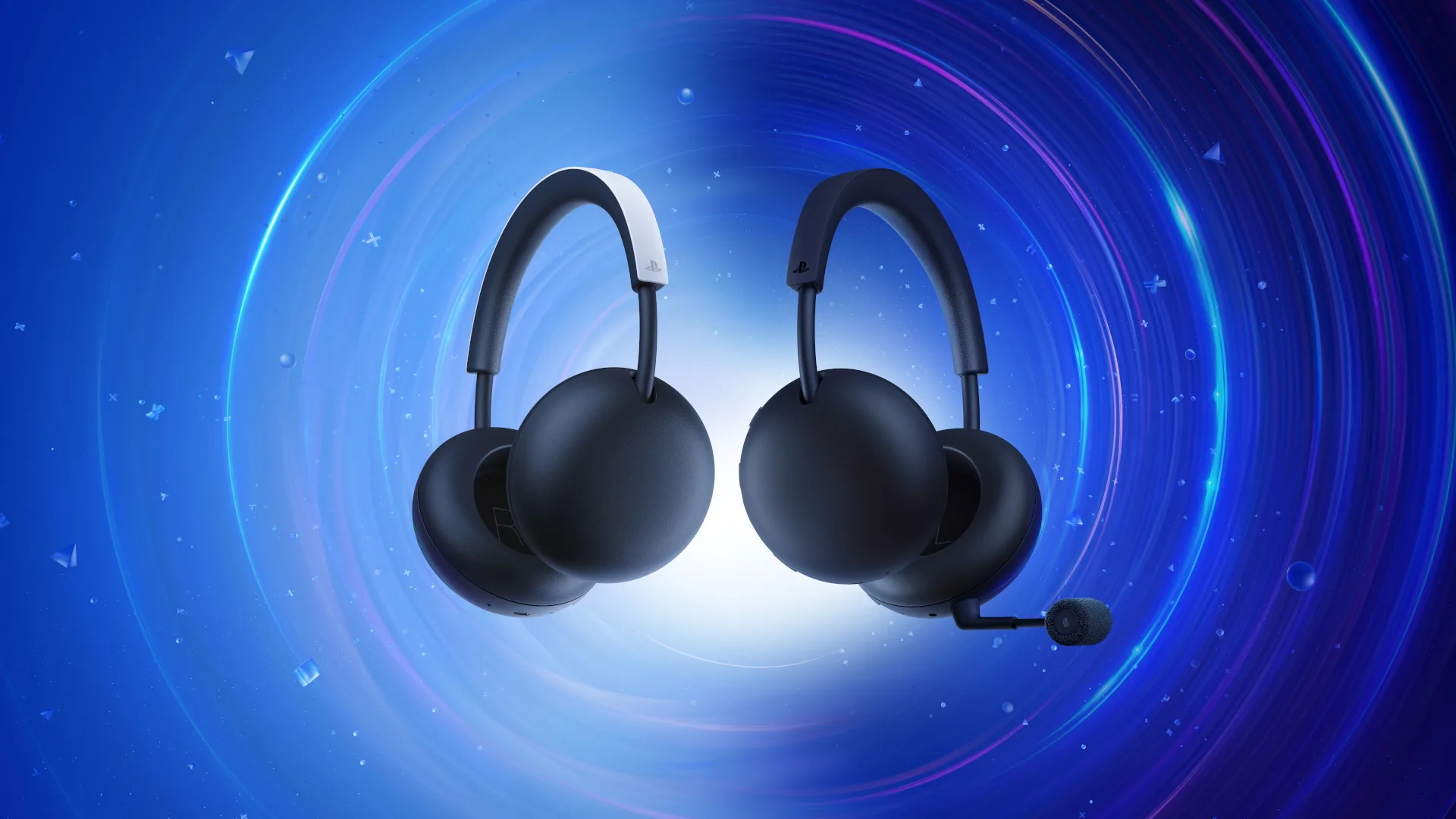
Two Unannounced PlayStation Devices Appear in Wi-Fi Certification
The Wi-Fi Alliance has certified two unannounced PlayStation products, model numbers CFI-Y2000 and CFI-Y2105. The entries appeared in certification records reported on October 6, 2026. The Verge
Both filings classify the hardware as "Gaming Console/Peripherals". That label is a regulatory category only. It does not describe shape, chips, or controls. The current PlayStation Portal carries model number CFI-Y1001.
The documents state the CFI-Y2000 and CFI-Y2105 run Android 15. The Portal now on sale also runs on Android. The new devices are certified for 1x1 operation on 2.4GHz and 5GHz, meaning a single send and receive stream on the two Wi-Fi bands found in most homes. They have no 6GHz certification.
The existing Portal uses an 8-inch LCD screen. It launched in late 2023. It streams games from a home PlayStation console or from Sony's cloud.
The filing itself covers a narrow area. Wi-Fi Alliance certification tests the radio implementation and the software build sent for testing. It does not disclose display technology, processor, memory configuration, power use, or industrial design. Two separate model numbers alone do not confirm two separate designs. Radios often certify early, while full product details stay private until a vendor announcement.
In my view, the two details that matter here are the Android version and the Wi-Fi setup. An Android 15 base affects updates sent over the air, the permission model for apps, video handling, and long-term security fixes for a managed streaming device. For a handheld whose work is decoding video, drawing menus, reading inputs, and keeping network timing steady, current software helps lower support cost more than it raises game speed. The 1x1 setup on 2.4GHz and 5GHz points to a focus on battery life, simpler antennas, and parts cost rather than top link speed. Streaming depends on steady delay and low packet loss in real homes, not peak rates. Skipping 6GHz also avoids shorter range, weaker reach through walls, and fewer routers that support it in homes today.
The broader context here is how remote play works. The heavy computing and storage stay on the home console or in cloud servers. The handheld handles the network link, video decoding, screen, and controls. That makes Wi-Fi part of performance. I have watched my own children treat that link as invisible when it works and blame the device when it fails, and the user experience collapses the whole chain into one judgment.
Worth flagging with optimism rather than as a prediction, if these filings become shipping hardware, the opportunity is more stable sessions and longer support life without changing what the device is for.