Sony's Pulse and Pulse Edge Bring Shared Drivers to PS5 Audio
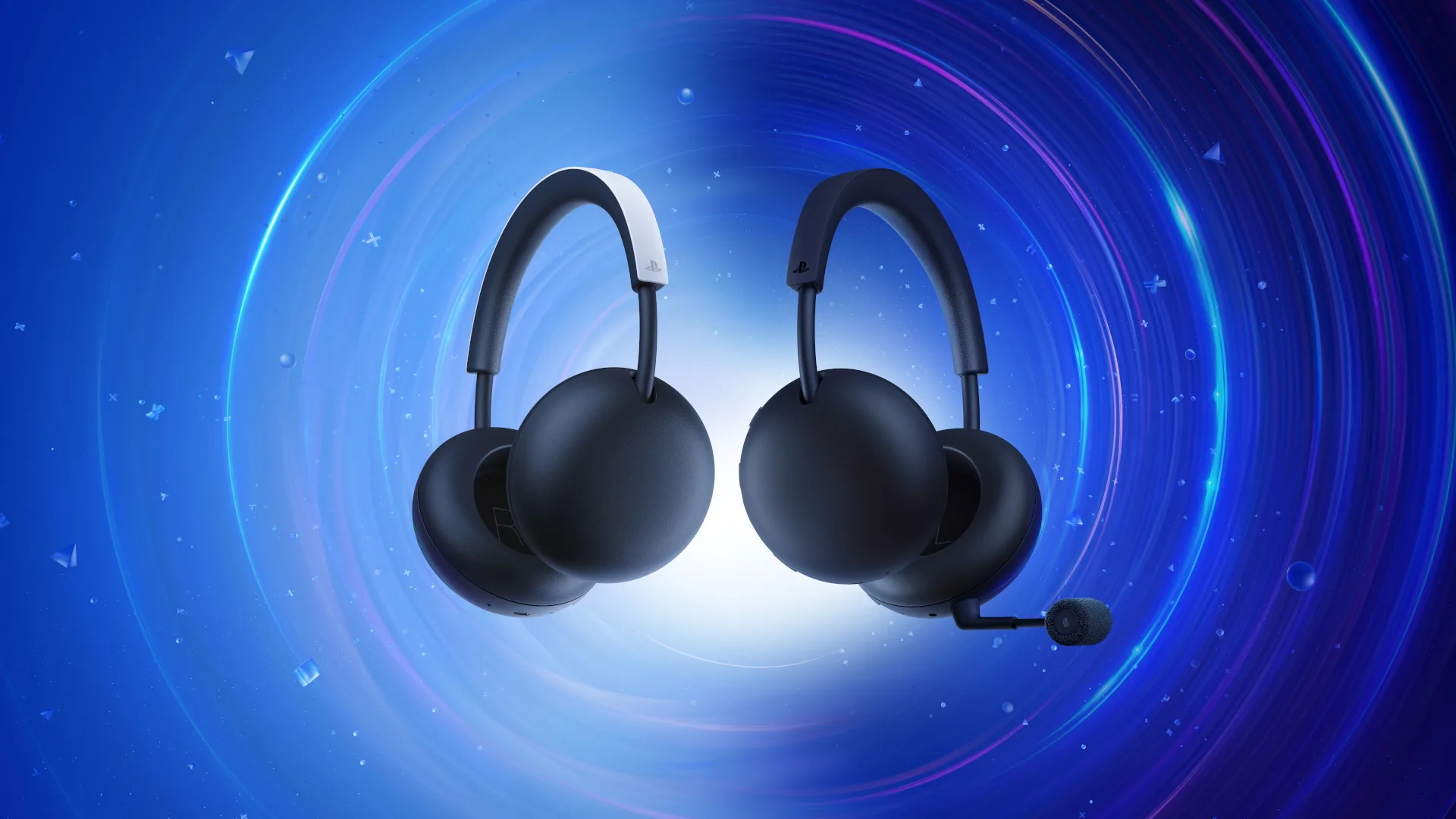
Sony announced the PlayStation Pulse and Pulse Edge wireless headsets for the PS5 on September 15, 2026. PlayStation Blog Both models use planar magnetic drivers, a design that drives a thin diaphragm between magnets for detailed sound with low distortion. Both support PlayStation Link and Bluetooth, with integrated microphones that use AI to reduce background noise. Engadget
The difference is in drivers and voice input. The Pulse Edge uses custom planar magnetic drivers with twice as many magnets as the standard Pulse. It also adds active noise cancellation, which listens for outside sound and cancels it out, plus a detachable boom microphone that sits close to the mouth. The base Pulse relies on its integrated mics alone.
Sony describes the lineup as using studio-inspired planar magnetic drivers. The approach follows the last two years of PlayStation audio. Sony released its first planar magnetic headset, the Pulse Elite, in 2024 after buying headphone maker Audeze. The Pulse Explore earbuds, PlayStation's first wireless earbuds, also use planar magnetic drivers. The newer Pulse Elevate wireless speakers use them as well.
The wireless pairing is straightforward. PlayStation Link is Sony's dedicated connection for a fast, low-delay link to the console. Bluetooth keeps the same headset usable with phones, tablets and PCs without swapping dongles. That dual-connection setup is now standard for gaming headsets.
The broader context here is consolidation around one driver family across headsets, earbuds and now speakers, with models set apart by magnet count, noise cancellation and mic options rather than a different driver type. In my view, that is a practical platform choice, since Sony can tune one house sound and reuse it while developers get a more consistent target for spatial audio and chat mix.
In my view, the choice for players comes down to use case, and the Edge is aimed at competitive and team play. A detachable boom remains the clearest option for close, intelligible voice pickup, and pairing it with integrated mics and AI noise rejection covers both quiet rooms and noisy living rooms. Noise cancellation also keeps voice levels clean and game cues audible at lower volumes. The base Pulse keeps the same wireless and driver approach for players who do not need that full chain.
Looking ahead, PlayStation audio looks less like separate peripherals and more like one stack. Same driver ideas and same wireless transports, with better capture and isolation at the top. That gives players an upgrade path without relearning controls or software, and leaves Sony room to iterate on magnets, DSP and mics while the baseline stays stable.


