Nepal Ends Flood Rescue With 5,000 Missing: Law, Aid and Recovery Explained

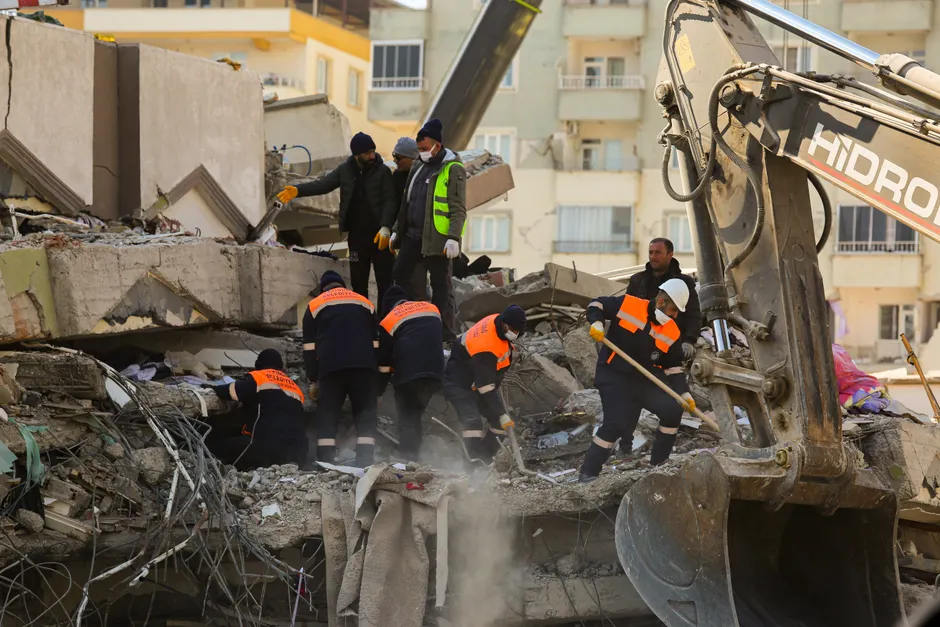
Nepal has ended rescue operations after the August flood on the China-Nepal border, with more than 5,000 people still missing. More than 1,400 bodies have been recovered so far, according to the latest assessment reported on Oct. 6 BBC.
Reuters reported on Oct. 5 that the August 2026 flood killed at least 1,455 people Reuters. That updates earlier counts. On Sept. 16, Reuters reported at least 1,399 dead and about 5,200 missing, including 636 foreigners. On Sept. 3, the count was 1,252 dead and more than 4,200 missing. On Aug. 27, in the first days after the flood, Reuters reported at least 359 dead and nearly 1,000 missing.
Nepal's latest assessment counts 7,570 private buildings damaged or destroyed. Based on census data, nearly 33,000 people lived in those buildings. In Bidur municipality, which includes Betrawati, the government estimates more than 3,000 buildings were damaged or destroyed.
In Nepal, a missing person is legally presumed dead only after 12 years. That rule works like a long timer that declares someone dead when no body is found. Section 40 of Nepal's Civil Code allows some exceptions, but it has no provision for a flood like this border flood.
Families must present a death certificate to claim flood compensation and to transfer property or inheritance. Nepal offers up to 25,000 rupees for funeral costs to relatives of disaster victims. It offers about 200,000 rupees in bereavement compensation for the first relative who died and 100,000 rupees for each additional death.
Without bodies, many families cannot file those claims. In some cases authorities took DNA samples from recovered bodies and then buried them with ground markers for later family claims. Other families held symbolic funerals as the death toll rose in early September. Betrawati resident Madan Lal Lawat had five relatives, including his brother, caught in the flood and still missing.
Constitutional law expert Bipin Adhikari said Nepal's missing-person law is outdated for this disaster. Thousands of households cannot settle land, housing or inheritance while living in displacement. Nepal's government estimates reconstruction and recovery will cost $4.77 billion. Nepal demanded $20 million in compensation after the floods in Nepal and China's Tibet region, a demand reported on Sept. 9 Al Jazeera.
The broader context here is what those numbers will force next. The first pressure point is legal status. A 12-year wait does not fit a sudden flood with thousands missing and DNA-tagged burials already in the ground. Lawmakers face a choice between a narrow disaster exception and a wider change to Section 40. The second is verification. Foreign nationals among the missing, large housing loss, and cross-border geography make identification, claims and resettlement harder. The third is finance. A $4.77 billion recovery bill is far larger than domestic payments of hundreds of thousands of rupees per family, which frames the $20 million demand as a starting point rather than a final settlement.