Trump's Supreme Court Challenge to the Carroll Judgment: What's at Stake
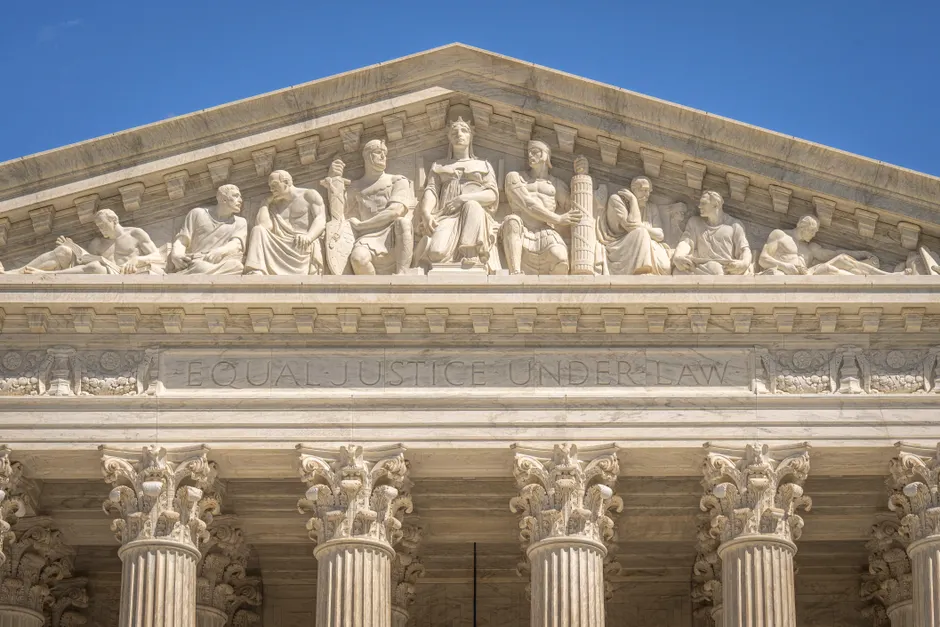
The Supreme Court will decide in February 2026 whether to hear Donald Trump's challenge to an $83.3 million defamation judgment won by E. Jean Carroll. The case was docketed in November 2025 and distributed for the Court's private conference on February 20, 2026.
The judgment stems from a May 2023 jury verdict in federal court in Manhattan, where jurors found Trump liable both for sexually abusing Carroll and for defaming her afterward. The Second Circuit Court of Appeals upheld both findings in September 2025, leaving the $83.3 million damage award intact. Trump's petition to the Supreme Court challenges that appellate decision, as detailed in Carroll's brief in opposition filed in January 2026.
The Supreme Court docket lists this as case No. 25-573. It represents one of the most closely watched civil defamation cases in recent American legal history.
How the Court's conference works matters procedurally. When justices gather in conference, they privately vote on whether to grant what's called "certiorari" — permission to take the case. The Court needs four votes to accept it. If the justices deny cert, the Second Circuit ruling stands and the judgment becomes enforceable. If they grant it, the full Court will brief and argue the case, reopening questions about both Trump's liability and the size of the damages award at the nation's highest appellate level.
Trump's petition almost certainly argues that his public statements denying Carroll's allegations fall within First Amendment protections for speech on matters of public concern. This doctrine traces back to the landmark 1964 case New York Times v. Sullivan, which established that public figures suing for defamation face a higher burden of proof. Carroll's response argues that the Second Circuit correctly applied settled law and that no circuit split or novel constitutional question justifies Supreme Court review. The justices will weigh both positions.
The judgment size is significant in its own right. At $83.3 million, this ranks among the largest defamation verdicts against any individual in U.S. history. That it survived appellate review unchanged is itself noteworthy — large defamation awards are often reduced or overturned on appeal. The case has already attracted attention from media-freedom organizations, some warning that broad Supreme Court review could discourage legitimate public commentary on powerful figures, others arguing that false factual statements must still face legal consequences.
Timing adds another layer. Trump returned to the presidency in January 2025. The Court's handling of a case in which the sitting president is a defendant carries institutional weight — not because justices should treat presidents differently, but because the optics will be scrutinized either way. The Court faced similar terrain in 2024 when it ruled on Trump's immunity claim in Trump v. United States, and this case will invite the same kind of close institutional reading from observers across the political spectrum.
As of late June 2026, the Court has not publicly reported its decision on the cert petition. The February conference may have resulted in a relisted case — a common step when justices need more time to decide — or a ruling that has not yet appeared in official records. Until the Court issues its orders list, the $83.3 million judgment technically remains in force, pending any separate legal motions to pause its enforcement.


