U.S. and Iran Step Back From Brink in Hormuz Strait Crisis

The United States struck Iranian targets on June 27, 2026, hours after a commercial tanker was damaged in the Strait of Hormuz. Within the same day, both countries agreed to halt attacks and resume diplomatic talks — a striking example of rapid escalation followed by de-escalation at one of the world's most crucial maritime chokepoints. Reuters reported both the strikes and the mutual agreement to stand down.
The timing is significant. Just four days earlier, Oman and Iran had agreed to continue negotiations on how the Strait of Hormuz should be governed and navigated. Reuters reported those talks on June 23. Iran's Foreign Ministry separately stated that the strait remains open and shipping continues uninterrupted. Iran MFA
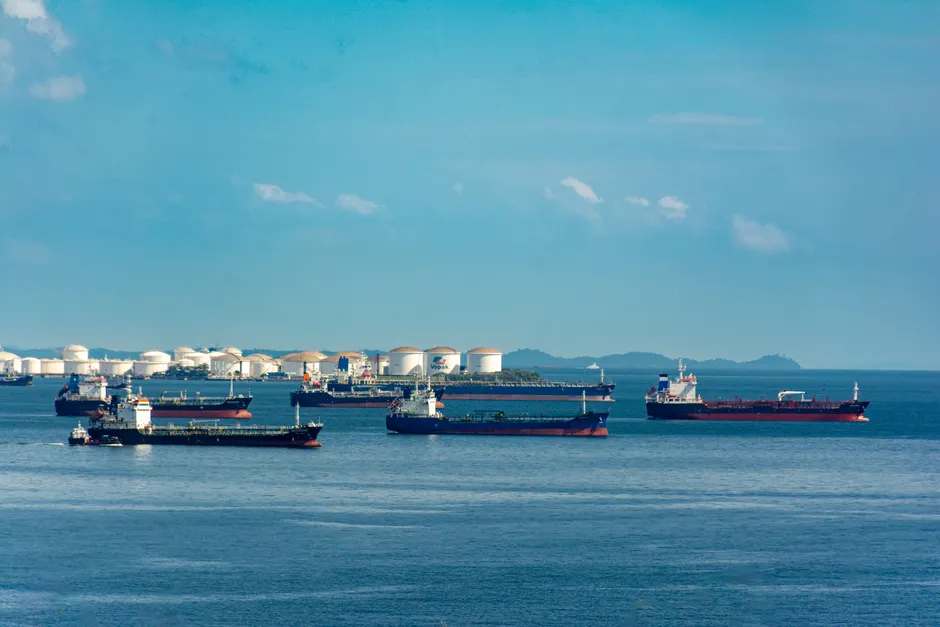
To understand why this matters: the Strait of Hormuz is a narrow waterway between Iran and Oman linking the Persian Gulf to the Arabian Sea. Roughly one-fifth of the world's daily oil supply — the majority of exports from Saudi Arabia, Iraq, Kuwait, and the UAE — passes through it. If the strait were closed or blocked for an extended period, there is no quick alternative route for that oil, and energy markets would face an immediate supply shortage. This vulnerability is precisely why Iran has historically treated control of the strait as strategic leverage, and why any military incident there sends shock waves through both energy traders and naval planners worldwide.
The Escalation Sequence
What happened on June 27 follows a recurring but hazardous pattern in the Persian Gulf: a vessel is attacked under murky circumstances, each side disputes who did it, and military strikes follow before diplomats can intervene. CNN reported the tanker incident as part of a broader exchange of fire.
The fact that the U.S. and Iran agreed to a ceasefire on the very day the strikes occurred warrants attention. It indicates that both sides maintained operational back-channels — direct communication lines — through which de-escalation could happen even during active hostilities. Oman's involvement here is likely no accident. Muscat has served as the go-between for Washington and Tehran for decades. During the 2015 nuclear agreement negotiations (the JCPOA), Oman was instrumental in shuttle diplomacy. Its engagement in Hormuz governance talks as recently as June 23 makes it a credible candidate to have facilitated the rapid standdown on June 27.
The Deeper Question: Who Controls the Strait?
The Oman-Iran talks suggest something more structural than crisis management. When both countries discuss "future administration of navigation," they are tackling harder questions: How will traffic be separated and monitored? What inspection authority will each side have? Does Iran gain any recognized role in controlling passage — a claim it has long made but which contradicts widely accepted international maritime law?
Iran contends that coastal nations should regulate traffic through their waters. The U.S. and the broader maritime community reject this. Under the UN Convention on the Law of the Sea (UNCLOS), the Strait of Hormuz is classified as an international passage through which all vessels — including military ships — must be allowed through without obstruction. Any agreement Oman negotiates has to bridge this legal divide. And if any framework grants Iran de facto or de jure control over the strait, it could establish a precedent for other coastal states to assert similar authority elsewhere.
The June 27 pause in fighting is welcome, yet the underlying tensions remain unresolved. Iran's nuclear status, U.S. military posture in the region, and the core question of who governs the strait have not shifted. The Oman diplomatic channel is the only active mechanism addressing these structural issues rather than simply managing individual crises. Whether it survives the June 27 escalation, and whether the U.S. is a full participant or merely a passive beneficiary, will determine whether this week's rapid standdown becomes a lasting arrangement or simply a temporary break before tensions reignite.